- WEB DESK
- September 14, 2026
No Iranian delegation has travelled to Pakistan for US talks: Iran state media
-

- Zafar Ali
- April 21, 2026
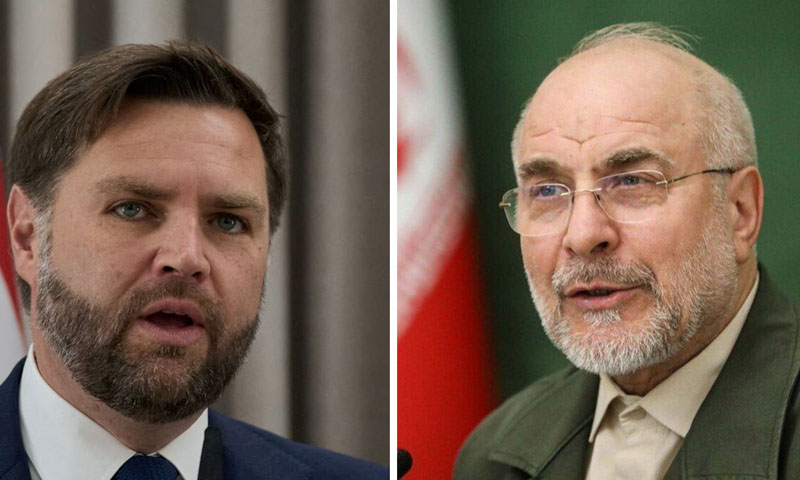
ISLAMABAD/DUBAI: Iran has not sent any delegation to Pakistan for a second round of talks with the United States, Iran’s state broadcaster Islamic Republic of Iran Broadcasting reported on Tuesday.
“So far, no Iranian delegation has travelled to Islamabad — neither the main delegation nor any subsidiary group,” IRIB said, dismissing media reports that talks were scheduled earlier this week as “untrue”.
The broadcaster also cited Iranian officials as saying that continued participation in negotiations would depend on a change in what they described as U.S. behaviour, reiterating that Tehran would not negotiate “under the shadow of threats”.
Pakistan hosted earlier talks between the United States and Iran on April 11–12 after brokering a 14-day ceasefire on April 8, which is due to expire on Wednesday. Efforts to arrange another round in Islamabad are ongoing, though uncertainty remains.
Donald Trump has said it is “highly unlikely” he will extend the ceasefire, adding that a naval blockade would remain in place until a broader agreement is reached.
Separately, Iranian lawmaker Mohammad Reza Mohseni Sani said negotiations were “not acceptable” under current conditions, according to comments carried by Mehr News Agency, accusing Washington of making excessive demands.
US Vice President JD Vance is expected to travel to Islamabad as early as Tuesday for high-stakes negotiations with Iran aimed at ending the ongoing conflict, multiple US officials told Axios.
The visit comes at a critical moment, with a temporary ceasefire nearing its expiration. US President Donald Trump has warned that failure to reach an agreement could lead to renewed military action targeting Iranian infrastructure, including bridges and power facilities.
While securing a comprehensive deal within such a short timeframe remains uncertain, officials suggest the deadline could be extended if meaningful progress is made.
Behind closed doors, US officials spent much of Monday awaiting confirmation that Tehran would send representatives to the talks. Iranian decision-making appeared delayed, reportedly due to internal pressure from elements such as the Revolutionary Guards, who pushed for a tougher stance—insisting that negotiations should not proceed without lifting the US blockade.
Diplomatic intermediaries from Pakistan, Egypt, and Turkey worked to encourage Iran’s participation. Approval for the delegation was ultimately granted late Monday by Iran’s supreme leadership, clearing the way for potential talks. Senior envoys, including Steve Witkoff and Jared Kushner, are also expected to join the diplomatic effort in Islamabad.
You May Also Like


- WEB DESK
- September 14, 2026
Petrol price rises by Rs4.42, diesel by Rs6.10 per litre
- WEB DESK
- September 14, 2026