- Web
- 51 Minutes ago
No more glamping in G-B’s Deosai National Park?
-

- Web Desk
- Dec 19, 2025
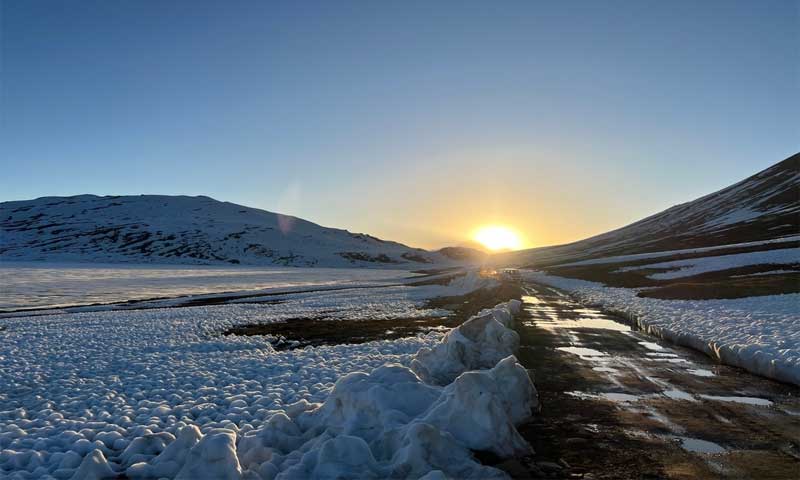
WEB DESK: In a decisive move to protect one of Pakistan’s most fragile high-altitude ecosystems, the Gilgit-Baltistan (G-B) government has imposed a complete ban on all seasonal hotels, camps, and luxury “glamping” facilities within Deosai National Park. The order, issued by the Forest, Parks and Wildlife Department, aims to halt environmental degradation and shield wildlife from escalating tourism pressure.
The ban expressly prohibits the establishment of any new commercial tourist accommodation for the coming season. Officials cite unregulated tourism activities, including habitat damage, pollution, and disruption to wildlife movement, as urgent threats to the park’s delicate balance. The region, often called the “Land of Giants,” is a critical habitat for endangered species like the Himalayan brown bear and is celebrated for its pristine landscapes and wildflowers.

This action follows a recent incident where a singer was injured by a bear while camping, which had already prompted restrictions. Authorities have now expanded that prohibition to cover all commercial lodging. The government has directed hotel owners and operators to comply immediately, warning that violations will lead to legal action under environmental and wildlife protection laws.
Earlier in September, singer Quratulain Balouch was injured in a bear attack while camping in the Bara Pani area of Deosai National Park. She sustained claw wounds to both arms. According to police, the bear fled when people from nearby camps raised an alarm. She received initial first aid from tourist police on-site before being transferred to the Regional Headquarters Hospital in Skardu for surgical treatment. Officials had confirmed the area is an authorised camping zone with police and wildlife staff present but noted that bear encounters occasionally occur.
Deosai National Park, situated at an average elevation of 4,114 meters between Skardu and Astore, remains open to daytime visitors from June to November. However, the new regulations make clear that the era of overnight commercial stays, especially luxury glamping, within the park is over, prioritizing long-term conservation over temporary tourism revenue.
You May Also Like