
- Reuters
- October 11, 2026
Centre announces 11-member advisory council for KP, secretariat for 12 districts
-

- WEB DESK
- October 11, 2026
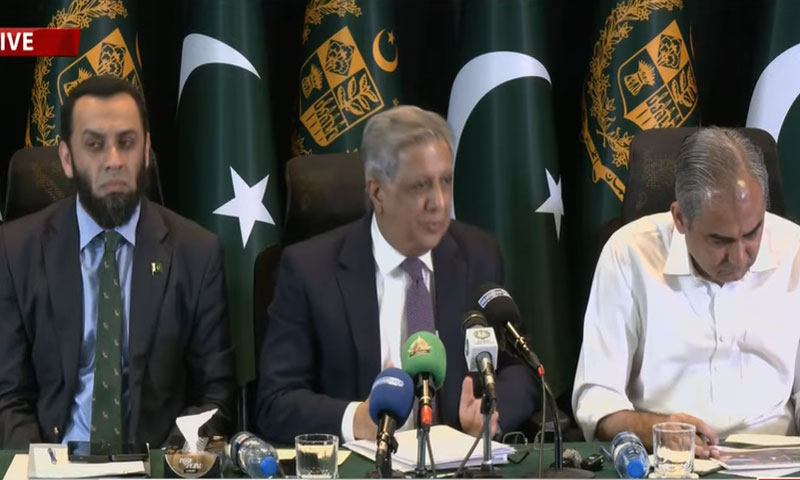
ISLAMABAD: The federal government has established an 11-member advisory council for Khyber Pakhtunkhwa and a separate administrative secretariat to oversee 12 terrorism-affected districts, Law Minister Azam Nazeer Tarar said on Sunday, as he defended the imposition of emergency and governor’s rule in the province.
Addressing a press conference in Islamabad alongside Information Minister Attaullah Tarar and Interior Minister Mohsin Naqvi, Nazeer Tarar said President Asif Ali Zardari had invoked Articles 232 and 234 of the Constitution on the advice of Prime Minister Shehbaz Sharif following detailed consultations and unsuccessful negotiations with the provincial government.
He said the government had also issued a fresh proclamation under Article 245 to provide assistance to the provincial administration through the armed forces, describing the move as an effort to bring greater coordination to counterterrorism operations.
Nazeer Tarar said the constitutional measures were taken in response to what he described as an exceptionally serious security situation, with terrorist attacks and extremist activities posing a grave threat to lives and property in Khyber Pakhtunkhwa.
The federal government had exhausted efforts to reach an understanding with the provincial administration, he said, adding that negotiations continued until 2:30am but failed to resolve the differences.
Emergency and governor’s rule
Explaining the constitutional basis for the decision, Nazeer Tarar said the Constitution provided mechanisms for situations in which national security was threatened by internal disturbances or external aggression, as well as circumstances in which a provincial government could not function in accordance with the Constitution.
He said Article 149(4) empowered the federal government to issue directions to provinces on matters relating to public order and the security of Pakistan.
Article 232 deals with the proclamation of an emergency in qualifying circumstances involving threats to the security of Pakistan or any part of the country, while Article 234 provides for action when the constitutional machinery of a province is considered unable to function in accordance with the Constitution.
Tarar said the security situation along Pakistan’s border with Afghanistan, combined with internal threats in Khyber Pakhtunkhwa, had created circumstances that warranted the use of these constitutional provisions.
He said the government had previously been asked whether it was considering an emergency and had maintained that any decision would be taken only when sufficient material was available to justify the exercise of presidential powers within the constitutional framework.
According to Tarar, the federal government had now assessed the available reports and evidence and concluded that the conditions for invoking both provisions had been met.
He described the situation as exceptional, saying the government had therefore invoked both Articles 232 and 234.
Under the administrative arrangements announced following the proclamation, an 11-member advisory council has been proposed to assist Governor Faisal Karim Kundi during the interim period.
Tarar said the council was intended to bring together people who could work towards improving governance and addressing the province’s challenges during the transitional arrangement.
A separate secretariat has also been established for 12 districts where, according to the government, the security situation is particularly severe.
The secretariat will operate under the governor and the chief secretary and will directly oversee administrative matters in the designated districts, while keeping the federal government informed about developments on the ground.
Attaullah Tarar unveils 11-member advisory council for KP
Addressing the press conference, Information Minister Atta Tarar unveiled the portfolios of an 11-member advisory council formed to assist the governor in administering Khyber Pakhtunkhwa following the imposition of emergency and governor’s rule, describing its members as experienced professionals selected on merit.
Atta Tarar said the council brought together former civil servants, legal experts, academics, public-sector professionals and political representatives who would oversee key administrative areas during the interim arrangement.
The council includes retired Lieutenant General Nigar Johar for health, former Federal Board of Revenue (FBR) chairman Tariq Mahmood Pasha for finance and National Assembly member Samar Haroon Bilour for information and broadcasting.
Other members are Kifayatullah Khan for home affairs, Amir Javed for law, Dr Syed Amir Abdullah for education, Dr Sarfaraz Ali Shah for mines and minerals, Dr Muhammad Irshad for industries and commerce, Asif Rafiq Afridi for communications and works, local government, housing and transport, Tayyab Qureshi for religious affairs, and Usman Saifullah Khan for energy.
Tarar said the council would work under the governor and use its members’ experience to improve governance and public service delivery during the period in which the provincial government’s executive functions have been suspended.
The announcement follows the federal government’s decision to impose emergency and governor’s rule in the province, citing the deteriorating security situation and what it describes as the provincial administration’s failure to effectively tackle terrorism. The Pakistan Tehreek-e-Insaf (PTI), which led the provincial government, has criticised the federal action as illegitimate.
Council members bring experience from public service, law and academia
Presenting the members individually, Tarar highlighted their professional backgrounds and explained why they had been assigned their respective portfolios.
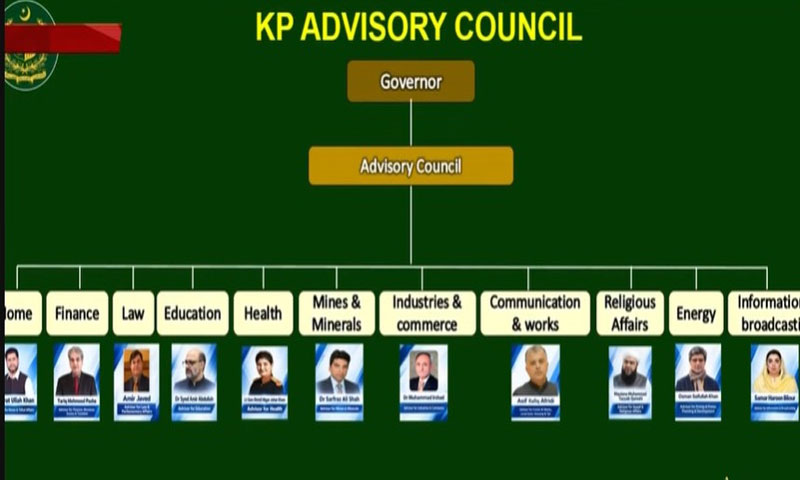
Presenting the members individually, Tarar highlighted their professional backgrounds and explained why they had been assigned their respective portfolios.
Home affairs — Kifayatullah Khan
Atta Tarar described Khan as a former inspector general of prisons and former chairman of the FATA Tribunal. He said that Khan had also served in the home and tribal affairs departments and held administrative positions, including commissioner in Dera Ismail Khan and Mardan.
The minister said Khan’s experience in law enforcement, administration and tribal affairs would be useful in overseeing the home portfolio at a time when the province faces serious security challenges.
Finance — Tariq Mahmood Pasha
Tariq Mahmood Pasha, a former chairman of the FBR, has been assigned the finance portfolio, Atta Tarar said describing him as a senior civil servant with experience in revenue administration and economic management.
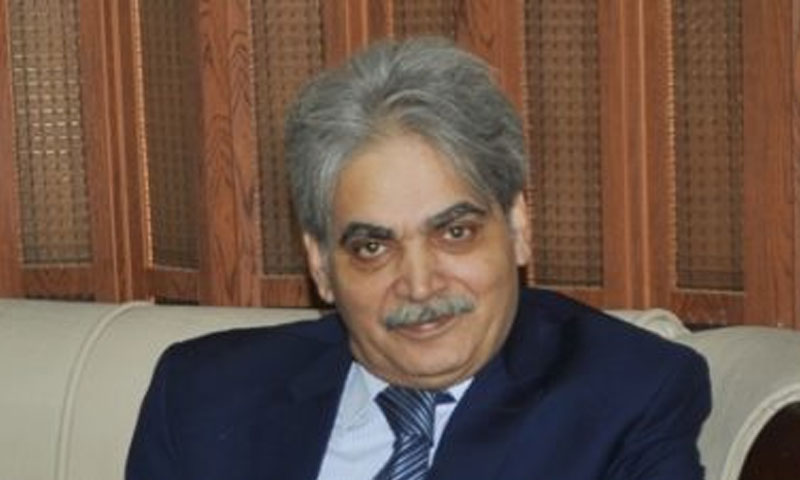
He said Pasha had also served in Punjab and held senior positions in the finance and economic affairs divisions. Tarar praised his public-service record and said the council included people with technical expertise in their respective fields.
Law — Amir Javed
The information minister said Amir Javed had served as advocate general and additional attorney general of Pakistan and was an advocate of the Supreme Court.
The minister highlighted Javed’s legal experience and described him as a professional with a strong reputation for integrity within the legal community.
Education — Dr Syed Amir Abdullah
Dr Syed Amir Abdullah, who was assigned the education portfolio, previously served as caretaker provincial minister for industries and commerce, according to Atta Tarar.
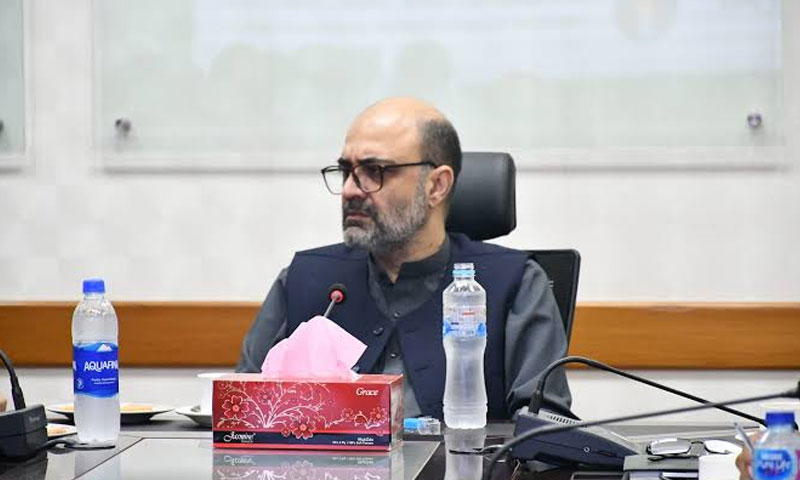
The minister said Dr Abdullah had also been a member of an expert committee of the National Counter Terrorism Authority (NACTA) and held a doctorate in international relations from the Netherlands. He described him as having expertise in international relations and education-related matters.
Health — retired Lt-Gen Nigar Johar
The information minister highlighted Lt-Gen (retd) Nigar Johar’s military medical career, identifying her as a former surgeon general of the Pakistan Army and Pakistan’s first female lieutenant general.
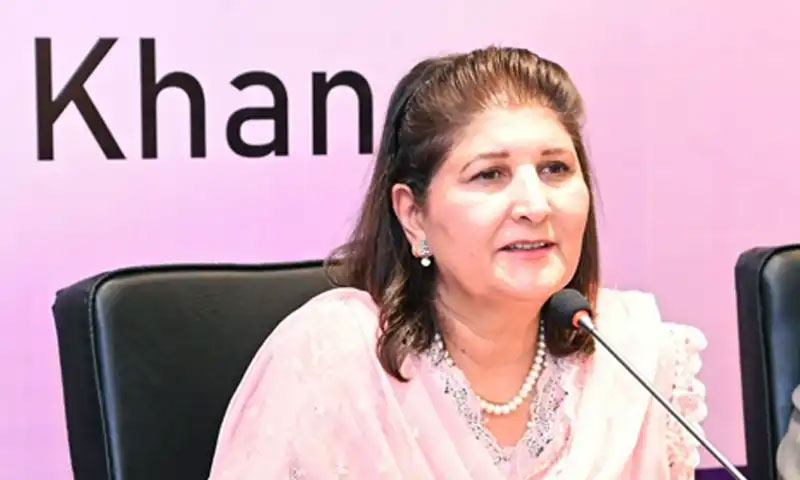
He said she had represented Pakistan at international forums and earned recognition for her professional service. Johar’s appointment, he added, brought senior medical and administrative experience to the health portfolio.
Mines and minerals — Dr Sarfaraz Ali Shah
He said that Dr Safaraz Ali Shah has been assigned the mines and minerals portfolio. Tarar said that he had served as an adviser in planning and development and had also worked in the communications and works department.
The minister cited Shah’s doctorate in economics from France, saying the council included members with academic qualifications and experience in public administration.
Industries and commerce — Dr Muhammad Irshad
The minister said Dr Muhammad Irshad was a former chairman of the FBR, held a doctorate in finance and was a member of the board of the Pakistan Red Crescent Society.
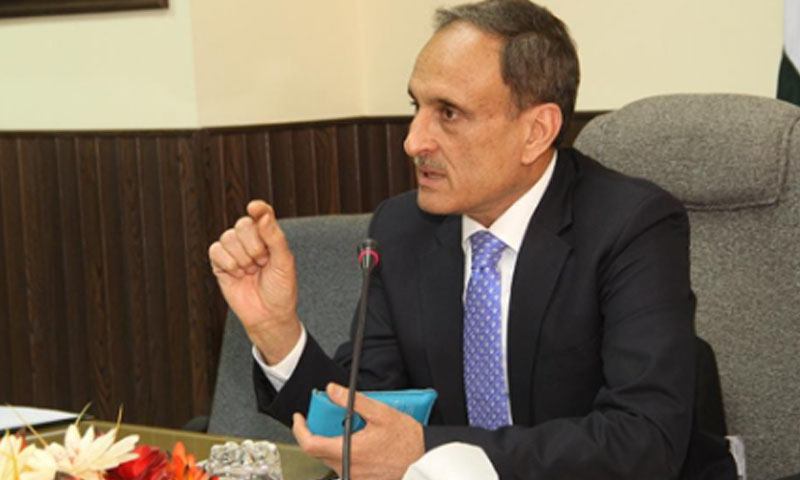
He argued that Irshad’s experience in financial management and public institutions would be relevant to the portfolio, which covers industrial and commercial development.
Communications and works, local government, housing and transport — Asif Rafiq Afridi
He said that Asif Rafiq Afridi has been assigned responsibility for communications and works, local government, housing and transport.
Atta Tarar described him as a former caretaker provincial minister and an experienced entrepreneur and developer. He said the council’s composition also drew on private-sector experience.
Religious affairs — Tayyab Qureshi
Atta Tarar identified Tayyab Qureshi as the province’s senior religious preacher, administrator of Jamia Ashrafia in Peshawar and imam of the historic Mohabbat Khan Mosque.
The minister praised Qureshi’s religious outreach and his contribution to efforts against extremism. He said religious scholars could play a role in countering militant narratives and promoting messages of peace.
Energy — Osman Saifullah Khan
He said Osman Saifullah Khan was a former senator who had served on the board of the Ghulam Ishaq Khan Institute and the management board of Pakistan State Oil.
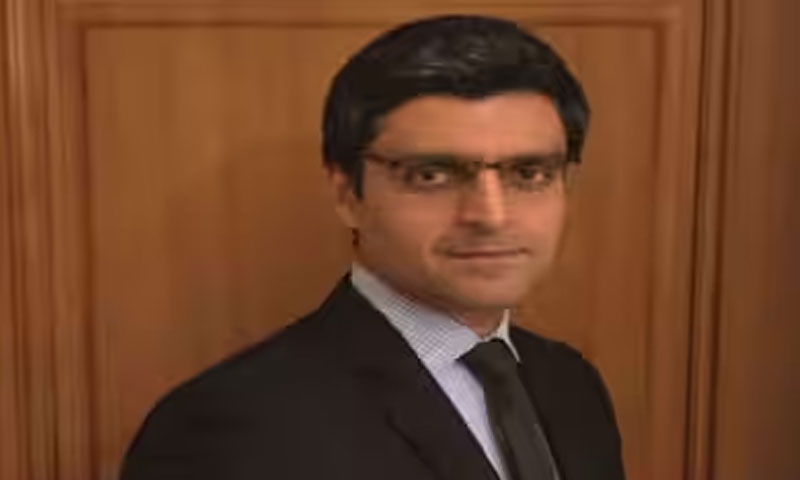
He also cited Khan’s role in the All Pakistan Textile Mills Association, describing him as an experienced figure in the business and energy sectors.
Information and broadcasting — Samar Haroon Bilour
The information minister said that Samar Haroon Bilour, a member of the National Assembly, had previously served in the Khyber Pakhtunkhwa Assembly and chaired its information and public relations standing committee, has been given the information and broadcasting portfolio.
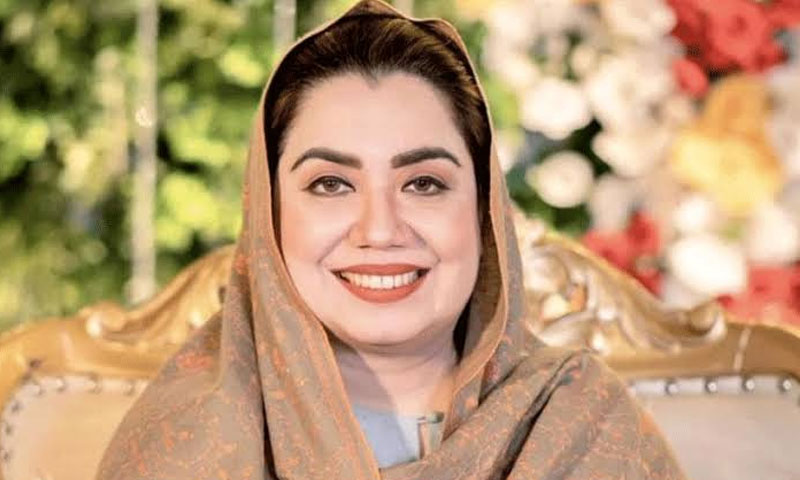
He praised her family’s sacrifices in attacks by militants, referring to the killings of members of the Bilour family, which has been associated with the Awami National Party.
Atta Tarar said Bilour had continued to speak against terrorism despite the losses suffered by her family. He described her as an educated and independent voice from the province and said her experience in legislative and public affairs made her suitable for the information portfolio.
Government says council will support interim administration
He said the council’s members had been selected for their professional experience and ability to contribute to governance during the interim period.
The advisory council will operate under Governor Faisal Karim Kundi as the federal government implements the constitutional arrangements announced following the suspension of the provincial executive.
Atta Tarar said an Area Reconstruction and Development Council would handle matters relating to reconstruction and development in the affected districts. An officer of additional chief secretary rank would serve as administrator under the proposed arrangement.
He said the names of the 12 districts had been notified and that their administrative affairs would be handled through the new mechanism involving the governor and the federal government.
The arrangements, he added, were intended to improve coordination, address security-related challenges and ensure that development and administrative work continued in areas affected by militancy.
Provincial leadership removed from office
The minister said the proclamation had rendered the offices of the Khyber Pakhtunkhwa chief minister, provincial ministers, advisers, special assistants and advocate general inactive with immediate effect, along with other constitutional office-holders covered by the order.
Under the constitutional framework, the governor has been authorised to exercise the provincial government’s functions assigned to him by the federal government through the proclamation and subsequent orders.
Fresh proclamation for armed forces
Atta Tarar said that the federal government had also issued a fresh proclamation under Article 245 to enable the armed forces to assist the provincial administration in its efforts to counter terrorism.
He clarified that troops were already deployed in the province and were conducting operations against militants. The new proclamation, he said, was intended to strengthen coordination and help turn ongoing efforts into a more organised campaign.
He paid tribute to military personnel and officers who had lost their lives in the fight against terrorism, saying they were making sacrifices to eliminate the threat.
The law minister said the constitutional mechanism allowed the federal government to issue appropriate orders through the governor from time to time, in accordance with the Constitution, to support the administration and pursue the objectives set out in the proclamation.
Terrorism poses threat beyond KP, says Tarar
Atta Tarar said the proclamation cited an unprecedented increase in the intensity of terrorist violence in Khyber Pakhtunkhwa, warning that the threat extended beyond the province.
He referred to the Global Terrorism Index, saying Pakistan had been ranked the country most affected by terrorism for the first time. He argued that the security situation also had implications for the economy and efforts to attract foreign investment.
Atta Tarar said Pakistan could not pursue economic growth and seek foreign investment without addressing the security challenges confronting the country.
He maintained that the measures were aimed at improving security and governance, and that the government had acted after negotiations failed to produce an agreement.
Naqvi says emergency followed failed efforts to secure PTI cooperation on terrorism
Addressing the press conference, Interior Minister Mohsin Naqvi said the federal government had made extensive efforts to secure the Khyber Pakhtunkhwa government’s cooperation in combating terrorism before imposing an emergency and governor’s rule, claiming that militancy had increased by 195 per cent in the province over roughly 18 months.
Naqvi said that the federal government had repeatedly attempted to bring the PTI-led provincial administration on board, but the efforts had failed to produce practical progress.
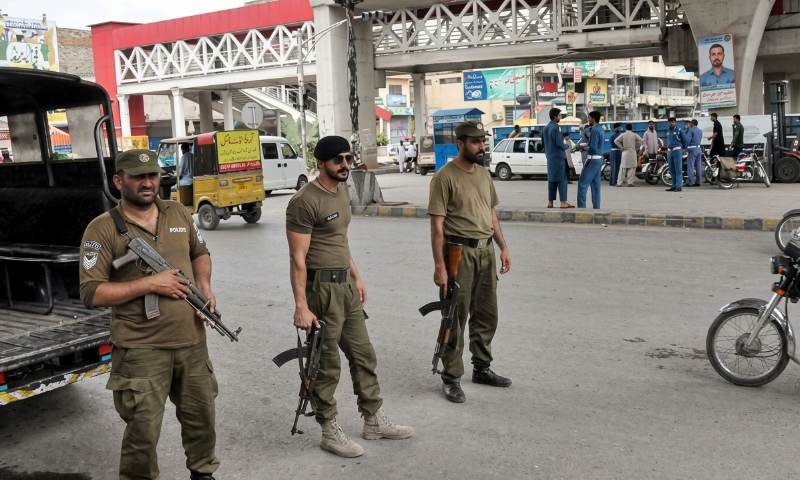
He said the security situation had deteriorated significantly, with 12 districts facing particularly serious challenges, including restrictions on residents’ movement after dark, targeted killings of police personnel and attacks on other officials.
“Today was not an easy day for us,” Naqvi said, adding that the government had tried for more than a month to secure the provincial administration’s cooperation in the fight against terrorism.
Proposed police plan remained unimplemented
Naqvi said he had held several meetings with former chief minister Sohail Afridi, with counterterrorism being the sole subject of discussion rather than politics.
He said the federal government had proposed strengthening the police force in five districts during the first six months, enabling the army and Frontier Constabulary to withdraw from those areas and hand over responsibility to the police. The same approach would then be extended to another five districts over the following six months.
According to Naqvi, the provincial government raised concerns about funding, prompting him to offer federal assistance to cover any shortfall.
He said the proposal had been discussed around four months earlier but had yet to be implemented, despite what he described as a positive response from the provincial side at the time.
The minister also claimed that the provincial government had agreed during negotiations that an emergency should be imposed in 12 districts because of the prevailing security situation, to restore normal life and address residents’ problems.
Naqvi said the government wanted the provincial administration to take ownership of the counterterrorism effort and develop a coordinated strategy with federal institutions.
Minister cites rise in terrorism, police casualties
Citing official figures, Naqvi claimed that terrorist activity had increased by about 195 per cent over approximately 18 months, while casualties among security personnel had risen by around 113 per cent over roughly 31 months.
He said 518 police personnel had been killed between January 2024 and the period covered by the figures he cited, arguing that the scale of the losses required a coordinated response from federal and provincial authorities.
The minister questioned the provincial government’s emphasis on its police budget, saying that allocating funds on paper did not necessarily mean the resources had reached personnel on the ground.
He said the federal government and provincial administration had differed over the figures relating to police funding and the practical availability of resources.
Naqvi argued that terrorism could not be defeated by one government or institution acting alone and required collective responsibility. He also questioned the need to debate whether an attacker should be classified as a terrorist when security personnel were being targeted.
He said the federal government had faced a choice between allowing the casualties to continue or taking action to change the situation.
Naqvi says emergency was not linked to politics
The interior minister rejected the suggestion that the decision was politically motivated, saying his ministry had sought the provincial government’s cooperation exclusively on counterterrorism.
He said he had deliberately avoided publicising several meetings with Afridi because the provincial leadership had expressed concerns that publicising the contacts could create problems for them.
Naqvi said the federal government had wanted to keep politics out of the security issue and bring the provincial government into a joint effort against militancy.
He maintained that an agreement on the proposed counterterrorism plan could have prevented the current situation, adding that the government had continued trying to reach an understanding until the previous night.
The minister also urged journalists to ask representatives of the Pakistan Muslim League-Nawaz (PML-N) and the Pakistan People’s Party (PPP), whose delegations participated in the negotiations, about what he described as efforts to derail the process.
He said the federal leadership had made every possible effort to avoid the imposition of emergency and governor’s rule, but had ultimately decided to proceed with the measures.
Naqvi raises concerns over foreign policy differences
Naqvi also argued that the federation and a provincial government could not pursue separate foreign policies.
He said differences between the federal government’s position and that of the provincial leadership had added to the concerns, maintaining that the country needed a consistent national approach to security and foreign affairs.
On the PTI long march, he said that the PPP had argued during negotiations that the protest should be postponed if the parties were to pursue talks. He added that the federal government’s position had been that PTI was free to march towards Islamabad if it wished to do so.
The interior minister said the government had tried to resolve the dispute through negotiations rather than allow political differences to interfere with counterterrorism efforts.
He prayed for the success of the armed forces, police and paramilitary personnel in the fight against terrorism, saying the country needed to work together in good faith to address the security challenge.
Attaullah Tarar accuses KP government of enabling militants
The information minister accused the former provincial administration of giving militants a free hand and alleged that its policies had allowed terrorist groups to gain influence in parts of the province.
He claimed the provincial government had not merely failed to prevent militant activity but had allowed militants to become stakeholders in the administration. He also alleged that some districts had effectively been left at the mercy of terrorist groups, which he accused of targeting civilians, mosques and hospitals and extorting money from residents.
Atta Tarar described the banned Tehreek-i-Taliban Pakistan and other militant groups as being funded by foreign powers, alleging that their objective was to destabilise Pakistan.
These were allegations made by the minister; he did not present independently verifiable evidence during the remarks provided to substantiate each claim.
Questioning the provincial government’s handling of law and order, Atta Tarar said public safety, security and the maintenance of law and order were among the primary responsibilities of a provincial administration.
He argued that the situation had reached the point where the federal government considered constitutional intervention necessary.
Questions police recruitment proposals
Tarar also criticised the provincial government over a controversial police bill, alleging that it sought to create opportunities for people linked to militant groups to enter the police force.
He questioned proposals for direct appointments of deputy superintendents of police without the involvement of the relevant public service recruitment mechanisms, claiming that the changes could undermine the integrity of the force.
The minister did not provide the text of the legislation or detailed evidence in the remarks supplied to establish that the proposed changes were intended to recruit militants or their supporters.
He also criticised the provincial cabinet’s performance, questioning what its ministers had achieved in health, education and home affairs. He alleged that the provincial leadership had devoted insufficient attention to governance and public welfare.
Questions and answers during press conference
During the question-answer after the press conference, Law Minister Azam Nazeer Tarar said that the duration of the emergency in Khyber Pakhtunkhwa would depend on the security situation, while Interior Minister Mohsin Naqvi said some PTI leaders had been taken into preventive custody following the suspension of the provincial government.
Addressing a joint question-and-answer session with Information Minister Attaullah Tarar, Naqvi said individuals required for maintaining law and order could be taken into preventive custody, while those wanted in criminal cases would be arrested and dealt with under the law. Others would be released once the situation improved, he added.
The minister did not provide a confirmed number of PTI lawmakers or leaders detained at the time of the press conference.
Naqvi urged PTI leaders and supporters involved in protests to disperse, warning that those found violating the law would face legal action. He said the government intended to restore law and order in the province as quickly as possible.
“Those who are wanted will be arrested, and the rest will be sent home as soon as the law-and-order situation improves,” he said, adding that the government would publicly disclose any arrests.
Emergency and governor’s rule
Explaining the constitutional basis for the decision, Nazeer Tarar said the government had invoked constitutional provisions rather than resorting to an extra-constitutional measure.
He said Articles 232 and 234 of the Constitution provided the relevant mechanisms for dealing with an emergency and a situation in which constitutional machinery in a province could not function as required.
Under Article 234, a proclamation is subject to parliamentary approval and cannot remain in force for more than six months. Article 232 separately governs the proclamation of an emergency and provides for parliamentary scrutiny.
Nazeer Tarar said the emergency linked to internal disturbance and terrorism could continue until the situation was normalised, subject to the constitutional framework. He said the two provisions had been invoked because the government believed the circumstances met the requirements for both.
Asked whether former Chief Minister Sohail Afridi and members of his cabinet would be arrested or remain in the province, Mohsin Naqvi declined to speculate about individual cases. Naqvi said any person wanted in a criminal case would be dealt with according to law, while others taken into preventive custody would be released when circumstances permitted.
No plan to divide KP into administrative units
Naqvi rejected suggestions that the establishment of a separate administrative arrangement for 12 terrorism-affected districts amounted to dividing KP or creating a new province.
He said the arrangement was intended to address administrative and security needs in areas requiring greater attention and resources.
Nazeer Tarar explained that an additional chief secretary-rank officer had been assigned to a dedicated secretariat working under the governor and chief secretary. He compared the arrangement with the administrative structure in south Punjab, where additional senior officials oversee regional affairs.
He said the arrangement was designed to direct greater funding and administrative focus towards districts affected by terrorism and did not constitute a division of the province.
Naqvi claims evidence of alleged Taliban links
Responding to a question about whether intelligence agencies had provided evidence of links between members of the former provincial administration and the Taliban, Naqvi claimed that evidence existed.
“There is evidence — not one, not two or three, but dozens,” he said, without publicly detailing the alleged evidence or identifying the individuals concerned.
Naqvi also referred to Pakistan’s engagement with the Afghan authorities, saying Islamabad had held discussions with them in Saudi Arabia and Qatar, with China and Turkiye also involved in the diplomatic efforts.
He said Pakistan wanted the Afghan government to make an unequivocal commitment to cooperate in combating terrorism, adding that Islamabad had yet to obtain the response it sought.
The allegations against the former KP administration were not substantiated with specific evidence during the question-and-answer session.
Government says counterterrorism support will increase
Asked how long it would take to bring terrorism under control in KP, Naqvi said the federal government would provide the province’s police, paramilitary forces and army with the resources they needed.
He expressed confidence that the level of militant violence could be reduced significantly, while acknowledging that the government could not provide a precise timeline.
On Balochistan, Naqvi said security operations had begun to make a difference, although he stopped short of claiming that the situation had been fully transformed. He referred to action taken against militants in August and September.
Naqvi declined to disclose the government’s counterterrorism strategy, saying it would not be appropriate to discuss operational details publicly.
On compensation for people displaced by security operations, including residents of South Waziristan and Tirah, he said outstanding payments should be prioritised. He said Prime Minister Shehbaz Sharif and President Zardari had focused on meeting financial needs in affected areas.
Nazeer Tarar says negotiations continued until final stage
Azam Nazeer Tarar said Prime Minister Shehbaz Sharif had wanted to pursue dialogue before the decision was taken. He said Jamiat Ulema-e-Islam-Fazl chief Maulana Fazlur Rehman had met the prime minister and that further contact had taken place the following morning.
According to Tarar, the federal cabinet had also tasked Naqvi and Deputy Prime Minister Ishaq Dar with making a final effort if there was a possibility of improving the situation.
He said cabinet members had received detailed briefings from officials of the interior and defence divisions, including reports and other material concerning the security situation. Some information, he added, could not be disclosed publicly because of national security considerations.
He said the decision had followed debate within the cabinet and was taken in the interest of national security and public safety. He described the use of the constitutional powers as a serious measure rather than something the government would celebrate.
Nazeer Tarar rules out CDF role in constitutional decision
Responding to Reuters correspondent Areeba Shahid, Nazeer Tarar said Chief of Defence Forces Field Marshal Asim Munir had no role in the constitutional framework governing the decision.
He said the decision was taken through the constitutional process, with the prime minister exercising the relevant authority and the president’s satisfaction required under the applicable provisions.
Tarar said the grounds for the emergency were law and order, the fight against terrorism and the protection of civilians from militant violence. He added that the army was fighting alongside local police in the province.
The ministers did not announce a broader military operation or new civil restrictions during the press conference. They said the government’s immediate priority was to restore security and normalise conditions in KP.