
- WEB DESK
- October 6, 2026
Not reckless, but called: Why climbers keep returning to the world’s deadliest peaks
-

- Ali H
- October 7, 2026
Pakistan’s mountains are to die for. Literally.
In the past few months alone, 12 mountaineers have lost their lives.
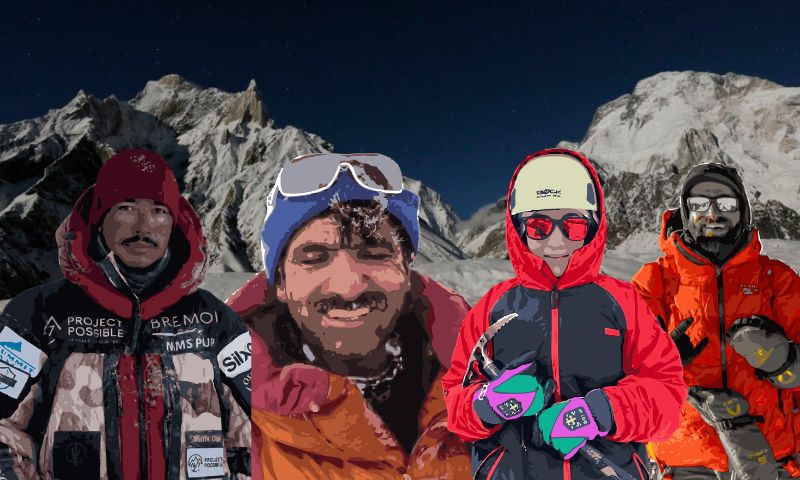
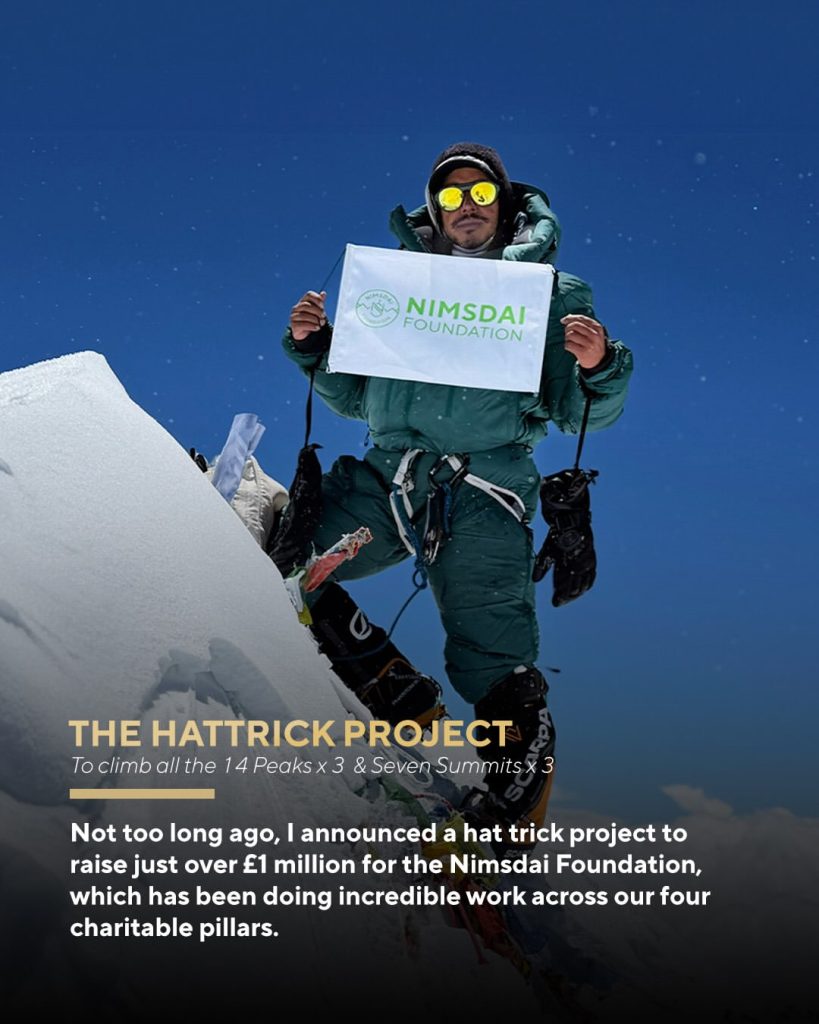
This includes one of the most accomplished mountaineers of his generation. Nims Dai summited the world’s 14 highest peaks in just over six months, breaking the world record at the time. He did it all again without supplemental oxygen. He was just two peaks away from completing another 14-peak challenge when he and nine others were swept away by an avalanche on Broad Peak. Pakistan also lost Sohail Sakhi in that expedition.
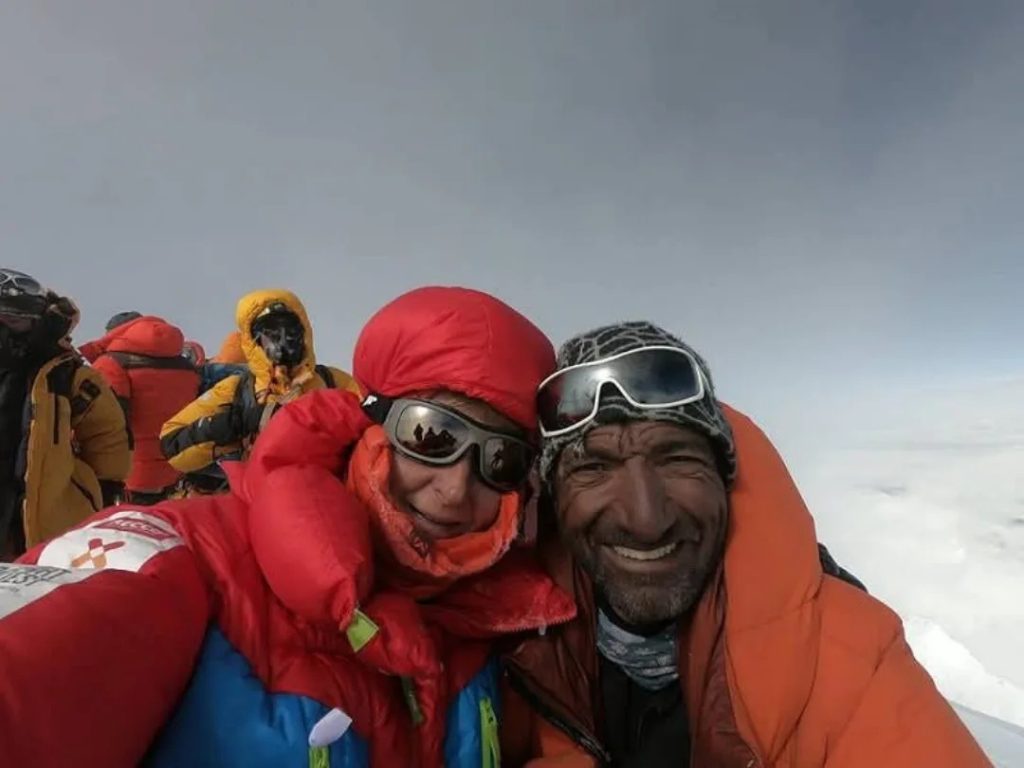
For some, it opened old wounds. It reminded us of the loss of Ali Sadpara, who died descending K2 with two foreign climbers in 2021. He remains Pakistan’s most accomplished climber to date.
Most people, however, do not go to Pakistan’s north to summit peaks.
Lesser folks like me go to see the mountains from afar, hovering over them like snow-capped giants. And even from below, one can sense the impending doom. Gilgit-Baltistan has long struggled with a high suicide rate. There’s an insidious attraction to these mountains, much like the gushing Gilgit River in the summer. The river was calling them, say people trying to make sense of why so many commit suicide in Gilgit-Baltistan. The mountains also call.
But not everyone has a death wish.
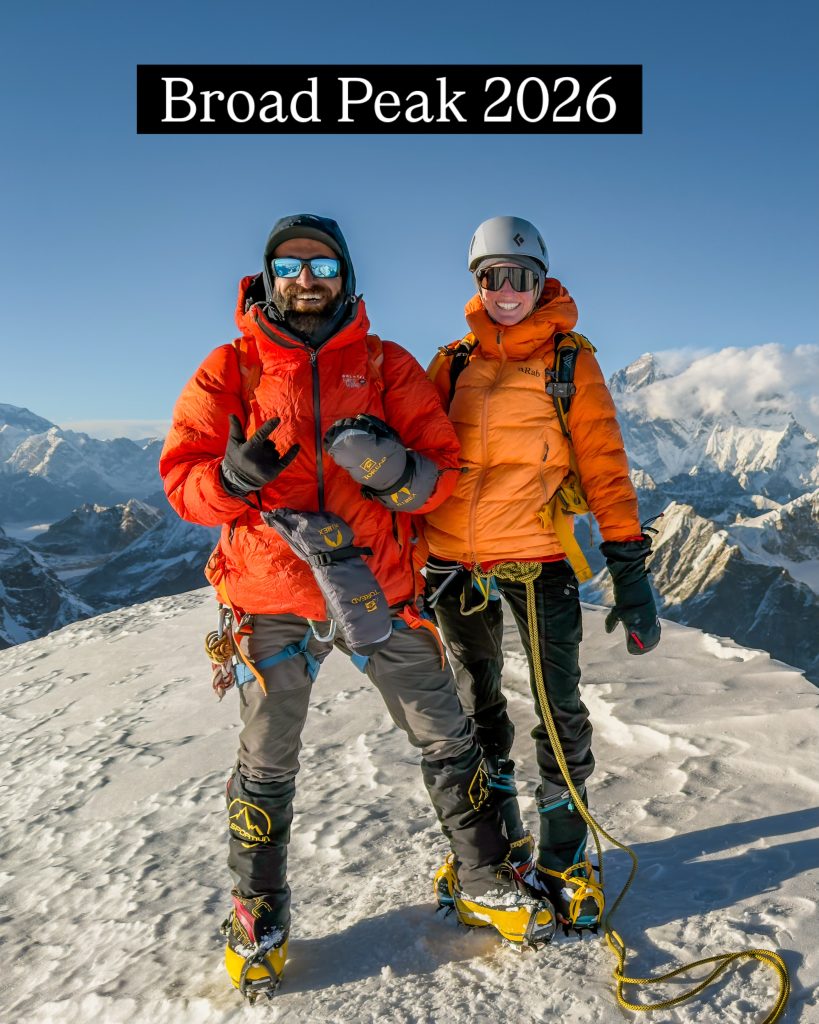
Alex Honnold, the legendary American rock climber, is the subject of an Academy Award-winning documentary, Free Solo. He has climbed the roughly 3,000-foot El Capitan in California’s Yosemite Valley without ropes or other safety equipment.
When asked if he wasn’t afraid of dying, he said he wouldn’t have spent nine years preparing for the expedition had he had no fear. Alex meticulously studied every nook and crevice on that imposing cliff, with the safety of ropes, before doing it without them. He said he was confident after so much preparation. But even putting the absolute physical marvel of it aside, the mental strength it must take to scale that wall with absolutely no margin of error is supercalifragilisticexpialidocious. In other words: ridiculous.
But not everyone preps like Alex either.
Westerners with relatively little high-altitude experience sometimes pay tens of thousands — and, for luxury expeditions, well over USD100,000 — to attempt Everest. Expedition companies can provide guides, Sherpa support, oxygen, high-altitude camps and an extraordinary level of comfort by Himalayan standards. Some packages even come with heated dining tents, private chefs and espresso machines. And even after that price tag, some never return home.
There are other ways to feel alive.
I imagine playing music in front of 50,000 people must be quite exciting. I know an incredibly talented musician who does exactly that. He performs with Pakistan’s biggest pop star on massive stages around the world. He recently took a break from the band and went to climb a 6,000-metre mountain in Shigar Valley. When people on social media pressed him to go back to making music, he said the mountains were not a distraction from his art. They were giving him something to make art about. ‘Art is supposed to come from life, not be a substitute for it.’
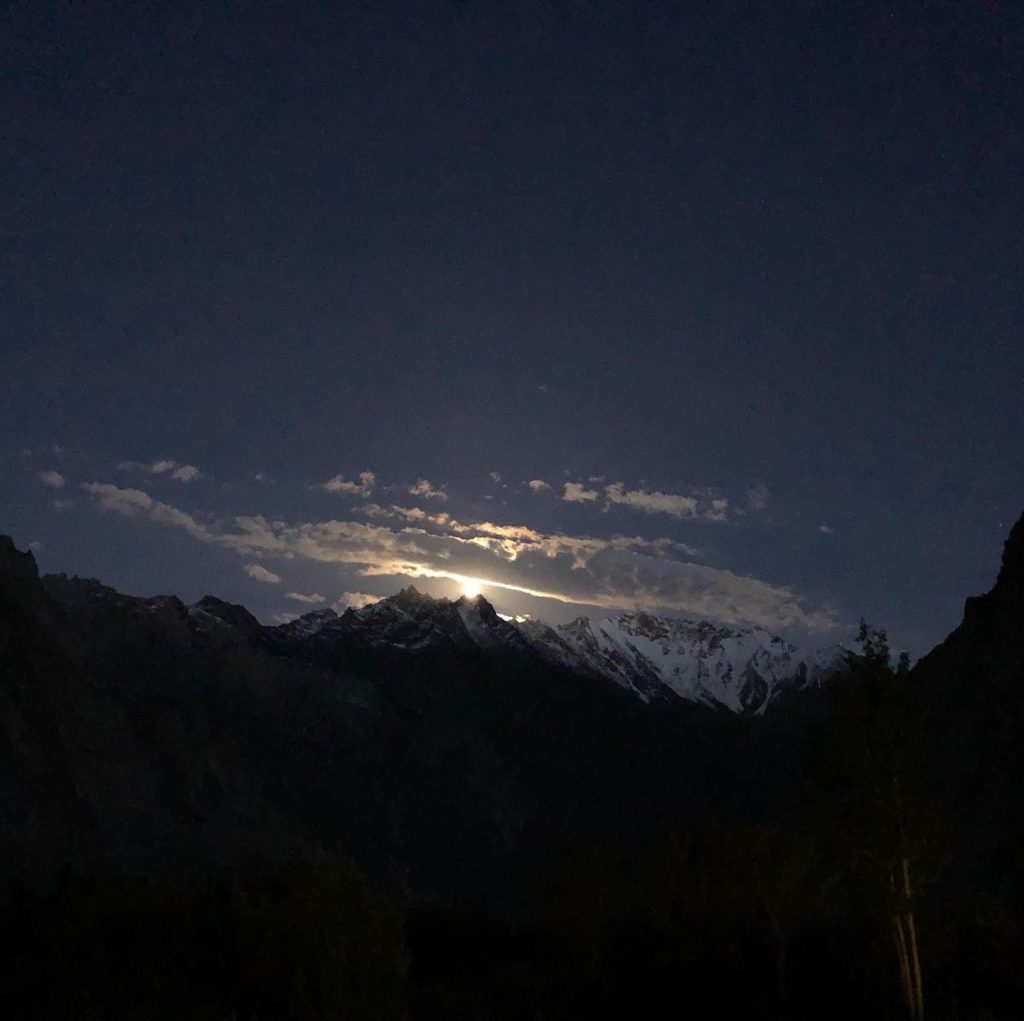
I asked another colleague of mine who also loves climbing why people do it. He said it makes them feel alive. And what if you die? Well, then that’s not a bad way to go.
It is a difficult answer to accept because it appears to violate one of the most basic rules of human behaviour. We weigh risks against rewards. We look both ways before crossing the road. We buy insurance. We wear seatbelts (though we don’t most of the time). We spend our lives trying to increase certainty and reduce danger. Rationality demands it.
Perhaps mountaineering is an anomaly to that rule. Or perhaps the reward is simply far greater than most of us can comprehend.
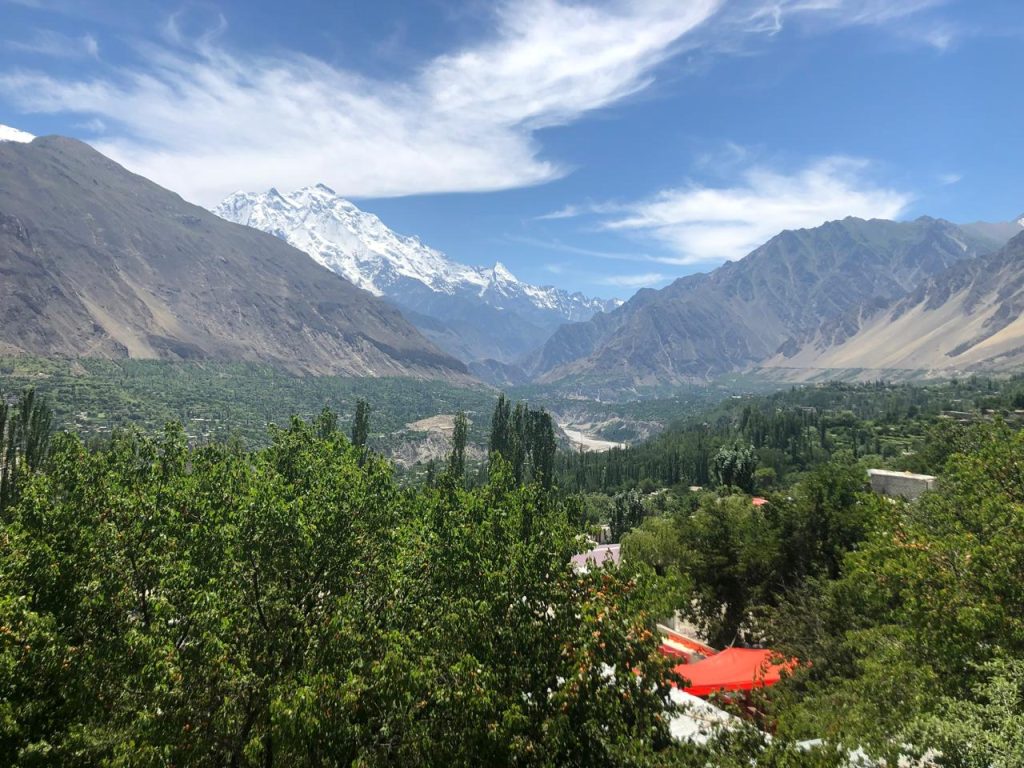
There are no spreadsheets for awe. No cost-benefit analysis for wonder. The people who climb these mountains know the risks better than anyone. They have seen avalanches, storms, crevasses and death up close. Yet they keep returning. Not because they are reckless, but because they are called.
Falling in love may be the closest parallel. Love makes fools of sensible people.
Mountains seem to have much the same effect.
The way to the top is never easy. Neither is the way to anything that makes us feel truly alive. For a rare few, that path leads upwards, into thin air and among the highest peaks on Earth. And however difficult it may be for the rest of us to understand, they would rather risk everything there than be anywhere else.
In Nims Dai’s words: “Giving up is not in the blood, sir.”