- Javed Soomro
- 1 Hour ago
Oman, Iran hold high-level talks on strategic strait of Hormuz arrangements
-

- Reuters
- Now
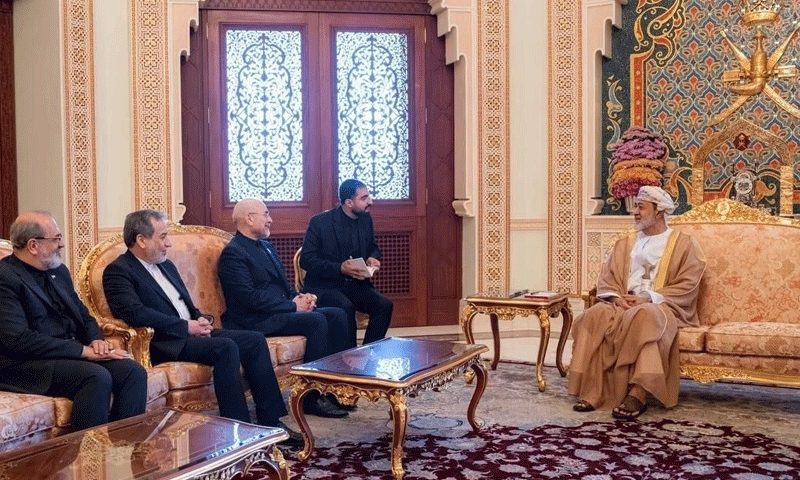
WEB DESK: In a major diplomatic push aimed at stabilising regional maritime corridors, Omani Sultan Haitham bin Tarik held high-level talks at Al Baraka Palace on Tuesday with Iranian Parliament Speaker Mohammad Bagher Qalibaf and Foreign Minister Abbas Araghchi, focusing primarily on new arrangements for the management of the strategic Strait of Hormuz.
The meeting comes on the heels of intensive, 18-hour quadrilateral negotiations held over the weekend at the Bürgenstock resort in Switzerland under the facilitation of Pakistan and Qatar.
Those talks sought to implement the recently brokered “Islamabad Memorandum of Understanding”, a 14-point framework aimed at de-escalating friction, resolving nuclear considerations, and ensuring the smooth flow of international shipping through the vital chokepoint.
De-escalation and maritime security
According to statements issued by official state media, the Iranian delegation briefed Sultan Haitham on the various paths and progress of the ongoing Tehran-Washington dialogue.
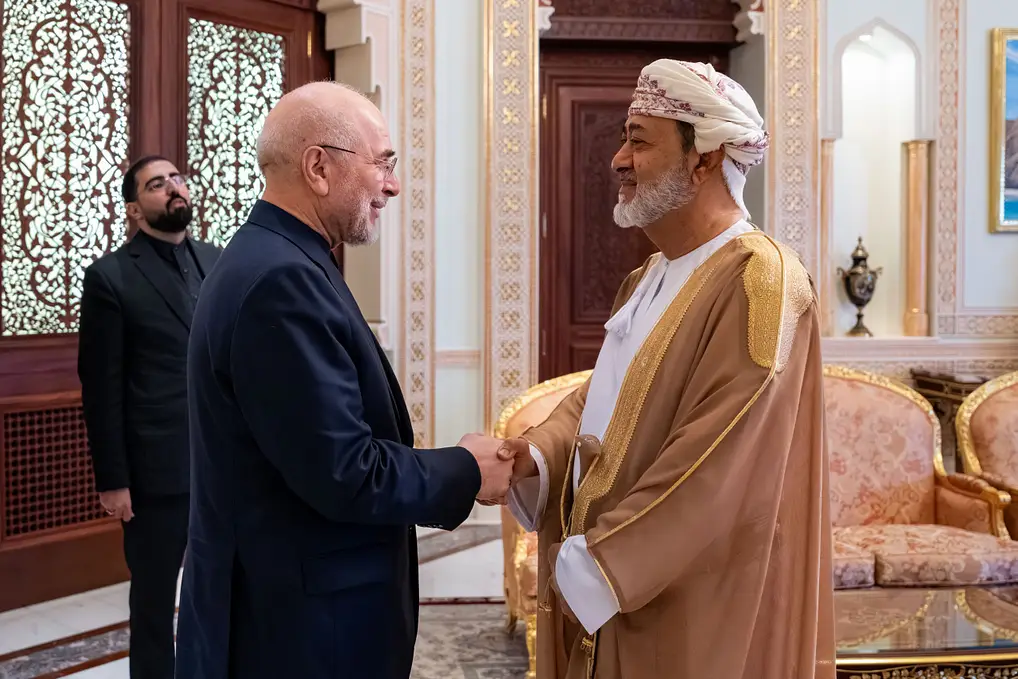
Expressing Muscat’s staunch support for the diplomatic process, the Sultan voiced optimism for a peaceful and final settlement to all outstanding regional disputes.
Central to the deliberations was Paragraph 5 of the Islamabad agreement, which explicitly mandates bilateral dialogue between Iran and Oman to define the future administration, safety operations, and maritime services within the Strait of Hormuz.
The strategic channel, which sees the transit of a significant portion of the world’s petroleum, has been at the center of growing regional efforts to ensure long-term stability and avert maritime blockades.
Sovereignty and international law
During the meetings, which were also attended by Omani Foreign Minister Sayyid Badr Albusaidi, both sides emphasised that the incoming framework must carefully balance the sovereign rights of coastal states with strict adherence to applicable international maritime law.
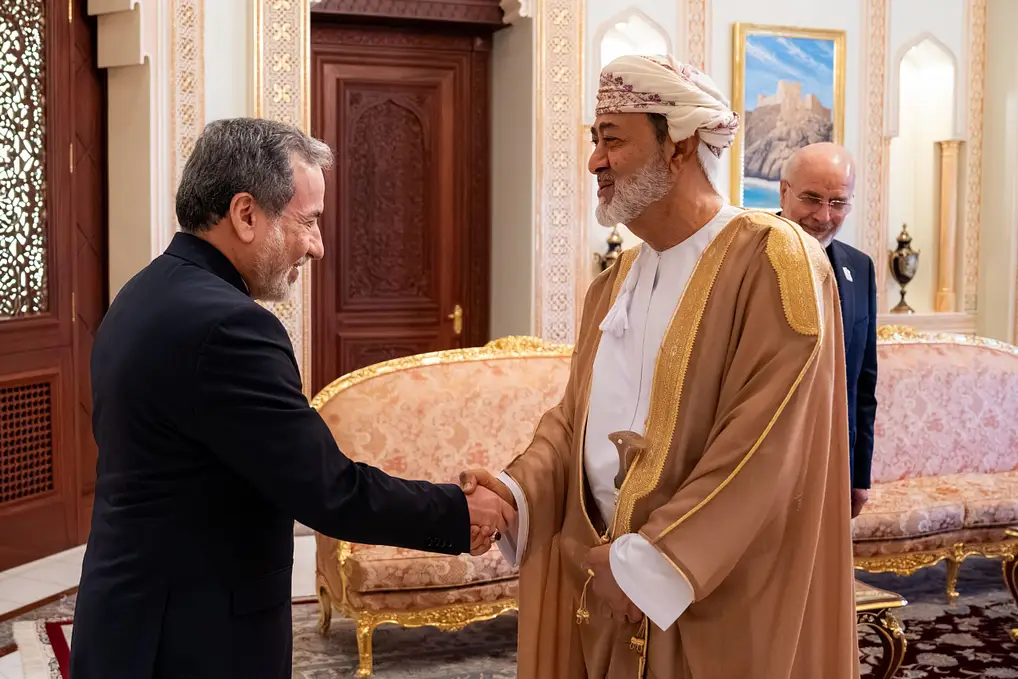
The high-level Iranian team, led by Qalibaf as chief negotiator, arrived in Muscat late Monday after a brief stopover in Tehran following the Swiss rounds.
The continuous diplomatic engagement highlights Muscat’s historical role as a trusted regional mediator and underlines a shared desire by neighboring Gulf states to utilize the current diplomatic window to permanently defuse tensions and restore confidence in global energy transit.
You May Also Like