- Web Desk
- 6 Minutes ago
OPEC+ countries agree to adjust daily oil output
-

- Web Desk
- 1 Hour ago
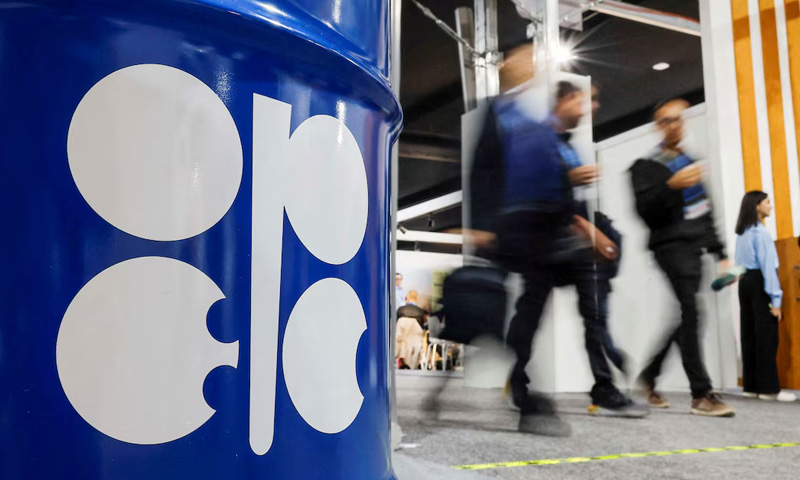
LONDON: Saudi Arabia and six other OPEC+ members have agreed to adjust their combined daily oil production by 188,000 barrels in August, the alliance announced.
Russia, Iraq, Kuwait, Kazakhstan, Algeria, and Oman are among the countries participating in the production adjustment. OPEC+ said the move is aimed at supporting stability in the global oil market.
The seven oil-producing countries will hold their next meeting on August 2, 2026, to review market conditions and discuss future production strategy.
Meanwhile, the increase follows similar output hikes for June and July and is intended to boost global supply as oil exports gradually recover with the reopening of the Strait of Hormuz.
The seven core OPEC+ producers had already increased their output quotas by nearly 800,000 barrels per day between April and July. However, actual production remained below target after the US-Israeli joint strikes in Iran that disrupted tanker traffic through the Strait of Hormuz, limiting exports from major producers including Saudi Arabia, Kuwait, and Iraq.
According to OPEC data, the group’s total oil output fell to 33.13 million barrels per day in May from 42.77 million barrels per day in February. Production showed signs of recovery in June as exports resumed, although volumes remained below pre-conflict levels.
Despite supply disruptions, international oil prices have retreated to pre-war levels due to weaker Chinese demand, increased output from producers outside the Middle East, and a record coordinated release of strategic oil reserves by the International Energy Agency. A memorandum of understanding aimed at ending the conflict has also strengthened market expectations that global oil supplies will gradually normalise.
Brent crude traded near $72 per barrel on Friday, down sharply from recent highs above $120 per barrel.
OPEC+ is also managing internal challenges following the United Arab Emirates’ departure from the alliance and Iraq’s push for higher production quotas.
The remaining seven core producers, Saudi Arabia, Russia, Iraq, Kuwait, Kazakhstan, Algeria, and Oman, are continuing a phased rollback of the 1.65 million barrels per day voluntary production cut agreed in 2023. Following the UAE’s exit in May, the group has about 379,000 barrels per day of the original cut left to restore. If the current pace of monthly increases continues, the remaining reductions are expected to be fully reversed by the end of September.
You May Also Like