- Web Desk
- 8 Minutes ago
Operation Ghazab Lil Haq: Pakistan intensifies precision strikes on terrorist sites as conflict enters third week
-

- Web Desk
- 16 Minutes ago
WEB DESK: The military landscape along the Durand Line has shifted dramatically as Pakistan enters the third week of Operation Ghazab Lil Haq (Wrath for the Truth). In a significant escalation of what officials in Islamabad are now describing as an “open war,” the Pakistan Air Force has moved beyond border skirmishes to conduct deep-penetration strikes against high-value terrorist sites in the heart of Afghanistan.
These latest sorties, described by security sources as “intelligence-led and surgical,” represent a decisive attempt to dismantle the command-and-control centres and logistical lifelines of militant groups operating with alleged impunity.
Systematic dismantling of terrorist training camps and infrastructure
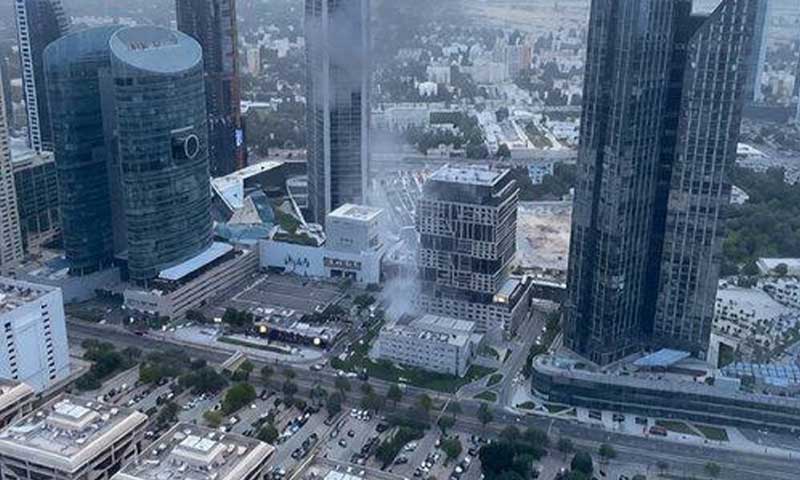
The primary focus of the recent overnight raids has been the destruction of critical terrorist sites and their “support infrastructure.” In the capital, Kabul, precision munitions successfully struck the 313 Corps HQ infrastructure, a key node for militant coordination. Military reports confirm the neutralisation of an associated ammunition depot, sending plumes of smoke across the city’s western outskirts.
Simultaneously, the air campaign devastated the Tarawo terrorist training camp in Kandahar. In a move designed to cripple the operational mobility of cross-border insurgents, Pakistani jets also neutralised major oil storage facilities used by these networks.
Further strikes in the eastern province of Paktia targeted the Sher-e-Nau terrorist camp, which served as a primary staging ground for regional incursions. This multi-pronged assault underscores a shift in strategy, moving from reactive border defence to the proactive dismantling of the enemy’s long-term combat capabilities at their source.
Diplomatic standoff and the “Open War” doctrine
As the conflict intensifies, the humanitarian and diplomatic costs are mounting. International monitors have raised alarms over the displacement of over 115,000 people since the end of February. While Kabul has condemned the strikes as a violation of sovereignty, Islamabad maintains that its targets are strictly terrorist sites belonging to the TTP (Tehrik-i-Taliban Pakistan).
The diplomatic rift has reached a fever pitch, with regional powers attempting to mediate to prevent a full-scale conflagration. However, with Pakistan’s leadership vowing “no compromise” until the threat from Afghan soil is eliminated, the likelihood of a swift de-escalation remains low.
For the residents of Kabul and the border provinces, the sound of jet engines has become a grim, daily reminder of a conflict that shows no signs of abating.
You May Also Like