- Web
- Feb 15, 2026
PAK vs IND: Shaheens’ discipline, depth could challenge India’s power, Usman Tariq in spotlight
-

- Web
- Feb 14, 2026
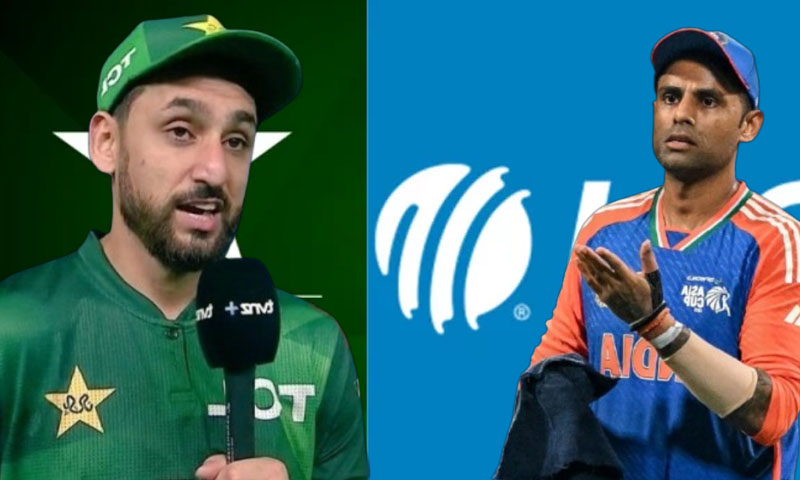
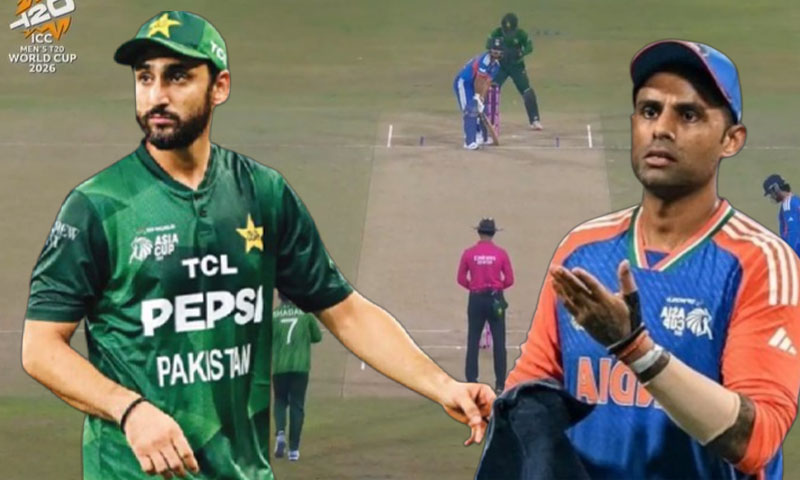
The words PAK vs IND carry a resonance few rivalries in world sport can equal. When Pakistan and India meet at the Premadasa Stadium in the T20 World Cup 2026, it will not merely be a contest of skill but a test of discipline, temperament, and tactical depth. With both sides level on two wins each, the stakes are finely balanced, and amid the spotlight stands Usman Tariq.
Colombo’s Khettarama surface has so far resisted easy strokeplay, rewarding patience and punishing impatience. That dynamic could tilt the narrative toward Pakistan’s structured approach. The Shaheens have built their campaign on composure, absorbing pressure, rotating strike, and trusting partnerships rather than chasing highlight-reel moments.
Skipper Salman Agha has personified that blueprint. Measured in tempo and clear in decision-making, he has ensured Pakistan rarely drift even when the required rate nudges upward. Around him, the batting unit has shown a willingness to adapt to conditions, especially on slower tracks where timing outweighs brute force.
With the ball, Pakistan’s depth could prove decisive. Shaheen Afridi remains the spearhead, capable of breaking open a top order in the powerplay. Yet this attack no longer hinges on one name. The supporting bowlers have varied pace intelligently, adjusted lengths to grip-friendly pitches, and executed plans tailored to opposition strengths.
That collective discipline frames the intrigue surrounding Usman Tariq. The young bowler has claimed 11 wickets in just four T20Is at an average of 7.90, including a four-wicket haul that underlined his control in the middle overs. However, his sidearm action, delivered after a brief pause, has sparked debate, with critics questioning its legality. In a high-voltage PAK vs IND fixture, scrutiny will intensify. Every release point will be watched, every variation dissected.
Yet pressure can forge resolve. On a surface likely to reward subtle changes of pace and sharp turnsPAK vs IND: Shaheens’ discipline, depth could challenge India’s power, Usman Tariq in the spotlight, Usman’s ability to extract control through disciplined lines could disrupt India’s rhythm. If he maintains composure, the spotlight may transform from scrutiny to opportunity.
India arrive with a contrasting philosophy. Their batting has been defined by authority, attacking from the outset, clearing boundaries, and dictating tempo. Defined roles and aggressive clarity have turned matches into statements. But the question lingering over this clash is whether that power sustains if Pakistan deny boundary balls and stretches the contest into a slower, tactical duel.
Fielding, too, could shape the outcome. Pakistan’s sharpness inside the ring, diving stops, swift returns, and urgency between overs have preserved vital runs in tight encounters. In a rivalry often settled by inches, those saved singles can echo as loudly as towering sixes.
Former India wicketkeeper-batter Nayan Mongia recently reflected on the mental demands of India–Pakistan contests, emphasising that adaptability under pressure often separates contenders from champions. His observation underscores the broader narrative at play in Colombo.
Ultimately, this PAK vs IND showdown is not just a battle of power versus patience. It is a contest of depth against dynamism, structure against spontaneity. India’s thunderous strokeplay may dominate headlines, but Pakistan’s discipline and collective cohesion could quietly dictate the script.
When the first ball is bowled at the Premadasa Stadium, the spectacle will command global attention. Beneath the noise, however, it may be the Shaheens’ calm execution, and Usman Tariq’s response to the spotlight, that determines whether discipline can outshine power.
You May Also Like