- Web
- 17 Minutes ago
Pakistan announces Eid ceasefire in ‘Operation Ghazab lil-Haq’
-

- Web Desk
- 3 Minutes ago
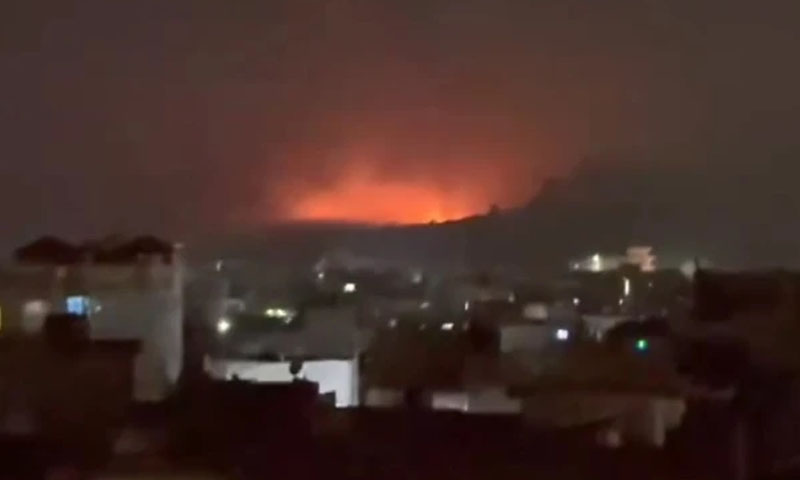
ISLAMABAD: Pakistan has announced a temporary five-day pause in its military campaign, Operation Ghazab lil-Haq, targeting militants in Afghanistan ahead of Eid-ul-Fitr, Information Minister Attaullah Tarar said.
In a statement posted on social media platform X, Tarar said the ceasefire was announced “on Pakistan’s own initiative and at the request of brotherly Islamic countries including Saudi Arabia, Qatar and Turkey.”
The pause will take effect from midnight between March 18 and 19 until midnight between March 23 and 24, he added.
“Pakistan is undertaking this pause in good faith and in line with Islamic principles,” Tarar said, warning that the operation would “resume immediately” in the event of any cross-border attack, including drone strikes or militant activity.
Pakistan says the operation targets “terrorists and their support infrastructure” operating from Afghan territory.
In a separate operational update shared by the information minister, Pakistan said 707 militants had been killed and more than 938 injured since the campaign began, while 255 posts were destroyed and 44 captured.
It said 237 tanks, armoured vehicles and artillery guns had been destroyed, and 81 locations across Afghanistan linked to militants and their support networks had been targeted by air strikes.
Pakistan’s military said it carried out strikes on March 16 against Afghan military installations in Kabul and Nangarhar, destroying what it described as drone storage facilities, technical support infrastructure and ammunition depots allegedly used by Taliban fighters to launch attacks against Pakistani civilians.
It added that militant positions in Bajaur, Kurram, Torkham in Khyber district, and North and South Waziristan were also targeted. Pakistan denied targeting civilians, saying operations were conducted with precision against installations and camps “directly or indirectly supporting terrorism,” and rejected what it called “false claims” by Afghan authorities and some media outlets.
You May Also Like

- Web
- 29 Minutes ago
President Trump’s plan to visit China this year cancelled