
- Reuters
- October 27, 2026
Pakistan-backed Iran-US peace deal takes effect as Trump warns strikes could resume
-

- Reuters
- June 18, 2026
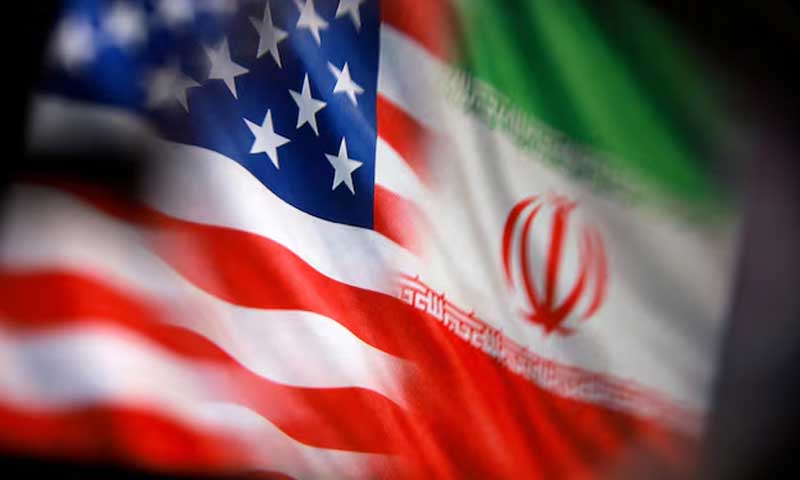
ISLAMABAD/WASHINGTON/TEHRAN: A Pakistan-facilitated agreement aimed at ending months of conflict between the United States and Iran formally came into force on Wednesday after both countries’ presidents signed the accord, although US President Donald Trump warned that military action could resume if Tehran failed to uphold its commitments.
The agreement marks a major diplomatic breakthrough for Pakistan, which played a central mediating role in bringing Washington and Tehran to the negotiating table after more than three months of conflict that destabilised the region, disrupted global energy markets and left thousands dead. Prime Minister Shehbaz Sharif announced that the “Islamabad Memorandum of Understanding” between the United States and Iran had been electronically signed by the presidents of both countries and endorsed by Pakistan as mediator, bringing the agreement into immediate effect. As part of the first phase, Iran will reopen the Strait of Hormuz while the US will lift its naval blockade.
PM Sharif hailed the agreement as a diplomatic breakthrough demonstrating both countries’ commitment to resolving the conflict through dialogue. He praised US President Donald Trump and members of the American negotiating team, including JD Vance, Steve Witkoff and Jared Kushner, for their efforts in advancing peace. The prime minister also commended Iran’s leadership, including Supreme Leader Ayatollah Seyyed Mojtaba Hosseini Khamenei, President Masoud Pezeshkian and negotiators Mohammad Bagher Ghalibaf, Abbas Araghchi and Eskandar Momeni.
Sharif further acknowledged the contributions of Qatar, Saudi Arabia, Turkiye and Egypt in supporting the peace process. He paid special tribute to Field Marshal Syed Asim Munir, describing his role as critical to achieving the breakthrough.
Speaking on the sidelines of the G7 summit in France, Trump said the deal made clear that Iran must abide by its obligations or face consequences. “If they violate the agreement, we’ll strike again,” he told reporters, while expressing hope that the accord would pave the way for a broader and lasting peace in the Middle East.
Iranian officials, meanwhile, celebrated the implementation of the agreement, describing it as a diplomatic achievement. Iran’s chief negotiator, Mohammad Baqer Ghalibaf, said Tehran had secured through talks what military confrontation could not deliver.
The 14-point memorandum extends an existing ceasefire for another 60 days, creating a window for negotiations on a permanent settlement. Iranian authorities said the agreement became effective immediately after it was signed by Trump and Iranian President Masoud Pezeshkian.
The accord includes a halt to hostilities across all fronts, including Lebanon, the reopening of maritime traffic through the Strait of Hormuz, the easing of US sanctions, the release of frozen Iranian assets and the establishment of a major reconstruction and investment framework for Iran.
Markets reacted positively to the development, with oil prices falling on expectations that Iranian supplies could return to global markets and shipping through the Strait of Hormuz would normalise.
Under the agreement, Iran has reaffirmed that it will not pursue nuclear weapons and has agreed to measures involving its enriched uranium stockpile under international monitoring. However, several longstanding disputes, including Iran’s missile programme and its support for regional armed groups, remain unresolved.
Despite the breakthrough, uncertainty persists. Trump signalled that Washington remained prepared to use force if negotiations failed, while Iran insisted that its core military capabilities had not been surrendered.
The agreement was widely welcomed by leaders attending the G7 summit, who described it as an important step towards regional stability. However, they also called for an immediate ceasefire in Lebanon, where violence has continued despite the broader accord.
Israeli forces carried out fresh strikes in southern Lebanon on Wednesday, while security sources reported drone attacks targeting Israeli positions. Israel, which was not part of the negotiations, has maintained that it reserves the right to continue military operations against Hezbollah.
Trump also appeared to urge restraint from Israeli Prime Minister Benjamin Netanyahu, saying differences remained over Israel’s military approach in Lebanon and suggesting a less aggressive strategy would be preferable.
Questions also remain over the next phase of the process. While the United States had earlier indicated that a formal signing ceremony would take place in Switzerland on Friday, Iranian officials said no further ceremony was required because the agreement had already been signed by both presidents.
The coming weeks are expected to focus on detailed negotiations over sanctions relief, Iran’s nuclear programme and the terms of a permanent settlement, with Pakistan continuing to play a key diplomatic role in shepherding the process forward.
You May Also Like

- WEB DESK
- October 27, 2026
Punjab govt moves to provide life insurance cover to employees
- AFP
- October 27, 2026