- WEB DESK
- October 21, 2026
Pakistan braces for hottest year on record as Super El Niño threat builds
-

- Saba Bajeer
- June 19, 2026
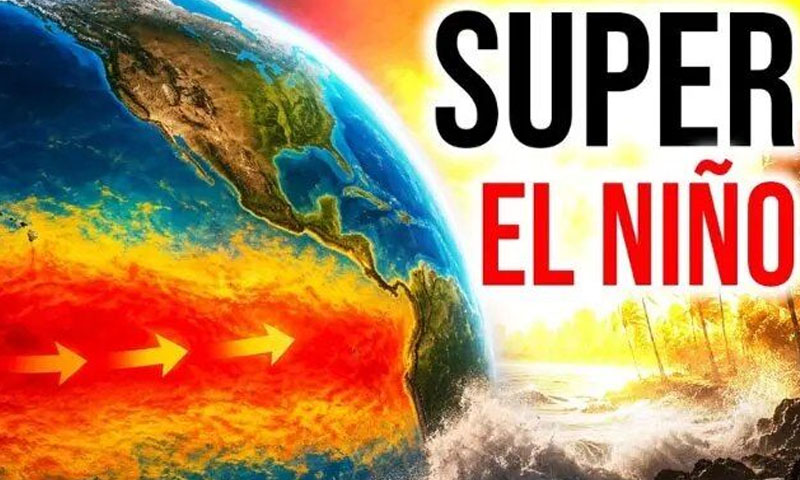
ISLAMABAD: The The Space and Upper Atmosphere Research Commission (SUPARCO) has warned that 2027 could become the hottest year on record both for Pakistan and globally, driven by a looming “Super El Niño” system that threatens to trigger severe droughts, crop failures, and accelerated glacial melt across the climate-vulnerable nation.
The SUPARCO issued a comprehensive climate alert on Friday, warning that extreme weather anomalies will intensify significantly in the coming months.
Flooding Risks and Drought
SUPARCO’s meteorological models indicated that the upcoming system will destabilise Pakistan’s fragile ecosystems in two distinct ways.
Glacial Outbursts
In the northern regions of Gilgit-Baltistan and Khyber Pakhtunkhwa, thousands of glaciers are melting at an unprecedented pace. The rapid thawing vastly increases the risk of Glacial Lake Outburst Floods (GLOFs) and sudden, destructive flash flooding downstream.
Severe Water Scarcity
Conversely, the coastal and desert belts of Sindh and Balochistan — particularly Tharparkar, Cholistan and the Makran strip — face prolonged drought. The space agency expected these areas to suffer critical shortages of drinking water as water tables deplete.
Threats to Agricultural and Food Security
The space agency also raised the alarm over the country’s agricultural heartlands in Punjab and Sindh.
“Unseasonal rains combined with intense heatwaves are projected to disrupt the traditional planting and harvesting cycles of vital cash crops,” it said.
“The irregular heat cycles will directly impact baseline yields for wheat, cotton, and rice,” the SUPARCO report noted, warning that these disruptions present a direct challenge to Pakistan’s national food security.
SUPARCO experts concluded that climate change has transitioned from a distant future projection to an active crisis, calling for immediate, coordinated policy interventions from government bodies and the public to mitigate the impending damage.
What is El Niño?
El Niño is a naturally occurring climate pattern characterised by the abnormal warming of surface waters in the central and eastern tropical Pacific Ocean.
This shifting of oceanic heat alters the path of jet streams, disrupting global weather patterns. While it typically causes heavier rainfall in parts of South America, it brings intense heatwaves, delayed monsoons, and prolonged dry spells to South Asia and Australia. When these warm water anomalies become exceptionally pronounced, meteorologists classify the system as a “Super El Niño.”
You May Also Like