- Web Desk Faizan Khan
- 13 Minutes ago
Pakistan brokers path to stability: Naval expert highlights hopeful progress in Strait of Hormuz ceasefire
-

- sadia.basharat
- 5 Minutes ago

As diplomatic efforts led by Pakistan continue to foster calm in the Gulf, Commodore Ehsan Ali Khan SI(M), Deputy President of the Maritime Centre of Excellence at the Naval War College and a distinguished maritime expert, has offered an encouraging naval perspective on the developing situation in the Strait of Hormuz.
In an exclusive interview, Commodore Khan provided a balanced and constructive assessment of Iran’s announcement that the Strait remains open under “Iranian military management” for the next two weeks, while emphasising opportunities for safe and orderly passage.
He explained the important distinction under the United Nations Convention on the Law of the Sea (UNCLOS) between innocent passage and transit passage. “Transit passage cannot be suspended in peacetime and is intended to allow normal, continuous and expeditious navigation,” he noted. However, he observed that practical regulations by coastal states, as seen in the Turkish and Danish Straits, are not uncommon and can include measures on timing, vessel types, pilotage and support services.
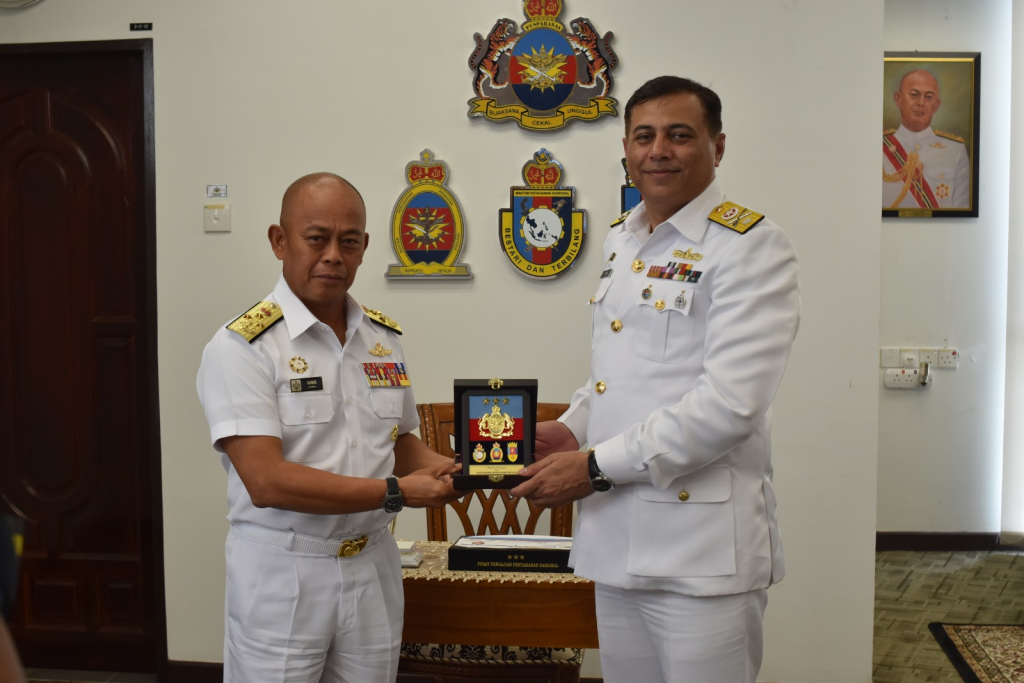
Given that parts of the Strait of Hormuz fall within the territorial waters of both Iran and Oman, Commodore Khan stressed that any framework would naturally involve coordination between the two coastal states. He viewed the current arrangement as a form of managed oversight rather than physical interference, potentially requiring merchant vessels to share limited information with Iranian authorities as a condition of passage.
Reassuring outlook on operational risks
From a professional naval standpoint, Commodore Khan offered measured reassurance regarding risks to merchant shipping. The primary concerns during the recent tensions had centred on standoff weapons, IRGC fast attack craft and the possibility of mines. He noted positively that many vessels had continued to transit safely, with no mine incidents reported, providing “some degree of surety” that large-scale mining had not taken place.
“With the ceasefire holding, the risk of missile strikes can be reduced considerably,” he said. He expressed confidence that, under the present management arrangements, operational challenges could be managed responsibly, allowing commerce to resume in an orderly manner.
Positive recommendations for Islamabad negotiations
Looking forward to Friday’s important talks in Islamabad, which Pakistan has commendably facilitated, Commodore Khan outlined a thoughtful, phased approach to building lasting confidence.
He described key stages including the cessation of hostilities, the establishment of clear Terms of Reference to avoid miscalculation, the need to manage hardliners on all sides, and a mutual commitment to restraint and de-escalation. He particularly welcomed the constructive tone from senior leaders and the provision of back-channel diplomacy in the lead-up to the summit.

Commodore Khan strongly endorsed the idea of a joint monitoring mechanism for the Strait, ideally involving regional states, describing it as “the only practical solution” to ensure transparency and build trust. He emphasised that successful Confidence Building Measures would require goodwill and mutual concessions from all parties.
Genuine opportunity for de-escalation
Addressing speculation that the two-week period might be merely tactical, Commodore Khan offered an optimistic view. “I believe this is a genuine pause,” he stated. Both sides, having tested each other’s resolve, now appear ready for an honourable off-ramp. He credited Pakistan’s diplomatic initiative, under Prime Minister Shehbaz Sharif, with providing this valuable opportunity for de-escalation.
While noting that routine repairs and replenishment of capabilities would naturally occur, he described renewed conflict as unwise and unnecessarily costly, particularly for the people of the region. “This pause offers both sides a chance to step back from the brink,” he added.
Pakistan’s constructive maritime leadership
Commodore Khan highlighted Pakistan’s longstanding commitment to good order at sea, including its active role in Combined Maritime Forces operations and the Pakistan Navy’s own Regional Maritime Security Patrols across the Persian Gulf, Gulf of Oman, Red Sea and wider Indian Ocean.
He expressed confidence that a successful outcome in Islamabad, leading to a permanent Safe Passage Protocol, would further strengthen Pakistan’s respected position as a key regional maritime partner. With its close naval cooperation with GCC nations, particularly Saudi Arabia and Oman, Pakistan Navy is ideally placed to support multilateral, regionally-led security arrangements.
On the question of compensation for war damages, Commodore Khan acknowledged that restoring the Strait to full pre-war economic vitality would require time and careful coordination among stakeholders, including maritime insurers and shipping lines. He noted the three distinct phases of safe passage – during conflict, negotiations and post-negotiation – and the importance of addressing insurance and risk assessments responsibly.
Overall, Commodore Ehsan Ali Khan presented an encouraging outlook, underscoring Pakistan’s valuable contribution to regional stability and the real potential for the Strait of Hormuz to return to peaceful, uninterrupted commerce under sensible regional arrangements.
This week’s talks in Islamabad, supported by Pakistan’s diligent diplomacy, offer a promising step towards lasting security and prosperity for the Gulf and beyond.
You May Also Like