- Web Desk
- 1 Hour ago
Pakistan emerges as key diplomatic power, leaving India on the sidelines: Foreign Policy
-

- Web Desk
- 5 Minutes ago
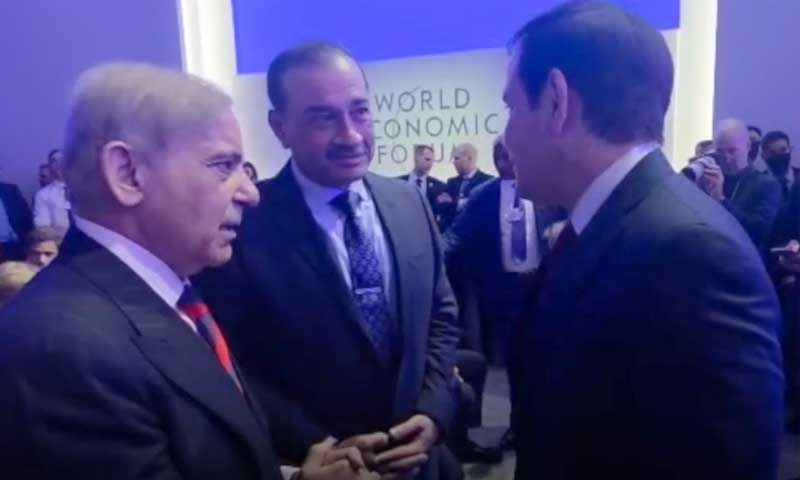
Pakistan has emerged as a key diplomatic player in the Middle East, overshadowing India on the international stage, according to an article by Indian journalist and analyst Sushant Singh in Foreign Policy magazine.
The article describes Pakistan’s role as a “knockout blow” to India in the diplomatic arena, citing Islamabad’s successful mediation between the United States and Iran as a major setback for New Delhi.
Pakistan’s Strategic Rise
Foreign Policy notes that Pakistan’s influence in regional diplomacy has grown significantly, with Field Marshal Asim Munir emerging as a central figure in global negotiations. While India’s Prime Minister Narendra Modi has struggled to assert his country’s influence, Pakistan has effectively positioned itself as a bridge between the U.S., China, Iran, and Gulf states.
The magazine credits Pakistan’s ability to maintain strong relations with China while engaging in complex Middle Eastern diplomacy as a factor that has “significantly increased Islamabad’s diplomatic weight.”
India Left Out of Key Talks
According to the analysis, India has been sidelined from crucial negotiations in the Middle East, marking a diplomatic blow to Modi’s government and weakening New Delhi’s influence with the U.S. The article emphasizes that India’s approach has largely been limited to rhetoric, whereas Pakistan is conducting active, results-driven diplomacy.
Echoes of 1971
The piece draws parallels to Pakistan’s diplomatic role in 1971, highlighting Islamabad’s return to a prominent position on the world stage. Foreign Policy states that attempts to isolate Pakistan have failed, and global powers can no longer ignore Islamabad’s influence.
The article concludes that Pakistan’s successful diplomacy has effectively challenged India’s narrative, establishing Islamabad as a major player in regional peace efforts and global negotiations.
You May Also Like