- Aasiya Niaz
- 9 Minutes ago
Pakistan emerges as key intermediary in bid to halt US-Iran conflict
-

- Web Desk
- 3 Minutes ago
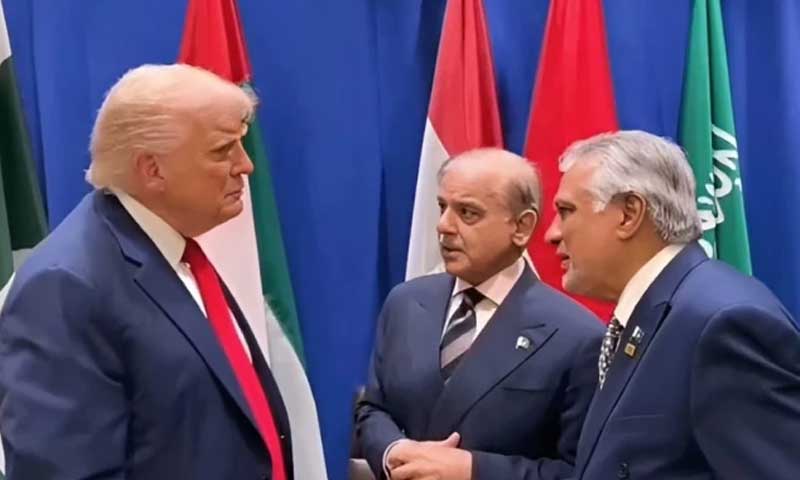
WEB DESK: Pakistan has positioned itself as a central diplomatic bridge in the escalating Gulf crisis, with Foreign Minister Ishaq Dar confirming that Islamabad is currently relaying indirect messages between Washington and Tehran.
As the region teeters on the edge of further instability, Pakistan’s unique dual-rapport with both the United States and the Islamic Republic has made it an indispensable neutral ground for de-escalation efforts.
A delicate balancing act
The federal government in Islamabad has maintained a strictly neutral stance, advocating for “dialogue and diplomacy” rather than military alignment.
Prime Minister Shehbaz Sharif has condemned the cycle of violence, including the US-Israeli strikes that killed Iran’s Supreme Leader, Ayatollah Ali Khamenei, as well as Tehran’s subsequent retaliatory strikes against neighbouring states.
Former ambassador to Tehran, Asif Durrani, noted that Pakistan’s “strong credentials” stem from its ability to maintain functional ties with the US while sharing a 900-kilometre border and deep cultural links with Iran.
This neutrality is further bolstered by Pakistan’s representation of Iranian diplomatic interests in Washington, a role it has held for decades in the absence of formal US-Iran ties.
Strategic stakes and economic survival
For Pakistan, brokering peace is not merely a matter of prestige but of economic necessity. As a country heavily reliant on oil and gas imports through the Strait of Hormuz, any prolonged disruption to maritime trade could trigger a catastrophic fuel shortage and necessitate further domestic austerity measures.
By positioning itself as a peace-maker, Islamabad seeks to shield its fragile economy from the shocks of a wider regional war.
On the international stage, the personal rapport between Chief of the Army Staff Field Marshal Syed Asim Munir and US President Donald Trump has proved pivotal.
President Trump recently acknowledged Pakistan’s unique insight into Tehran, sharing PM Shehbaz’s offer to host formal peace talks.
While Pakistan remains a non-NATO ally with a complex history with Washington, its strategic mutual defence agreement signed with Saudi Arabia in 2025 ensures that it remains anchored to its traditional Gulf allies while pursuing an end to the current hostilities.
You May Also Like