- Aasiya Niaz
- 14 Minutes ago
Pakistan, IMF extend EFF review talks amid fiscal differences and Iran war concerns
-

- Web Desk
- Mar 12, 2026
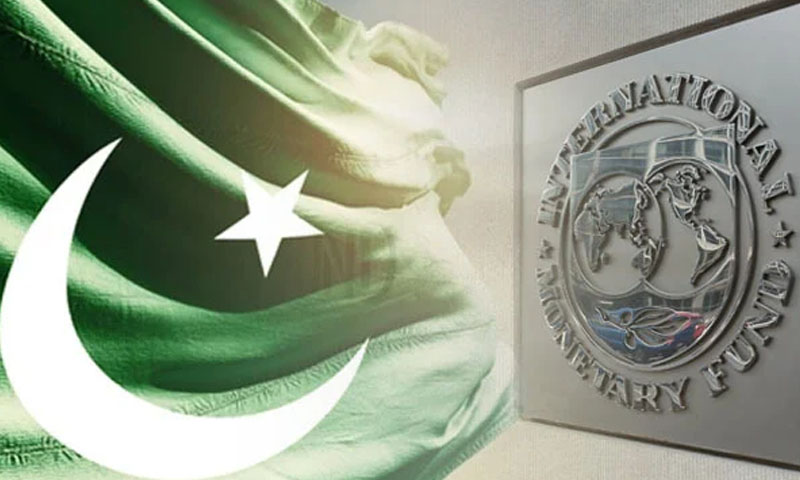
Pakistan and the International Monetary Fund (IMF) have agreed to continue discussions on the third review of the country’s $7 billion Extended Fund Facility (EFF) program after negotiations concluded without a staff-level agreement, as both sides assess fiscal targets and the potential economic impact of the ongoing conflict in Iran.
A statement issued by the IMF after the meeting said that “considerable progress” had been made during the talks but noted that further discussions were needed to fully evaluate recent global developments and their possible effects on Pakistan’s economy.
The review is required before the IMF’s executive board can approve the release of the next tranche of about $1 billion under the bailout program.
The negotiations, which began on February 26, focused on Pakistan’s fiscal policy, economic reforms and broader macroeconomic outlook. The IMF mission, led by Iva Petrova, initially visited Karachi but returned early because of regional security concerns linked to escalating tensions in the Middle East. Remaining discussions were conducted virtually from Türkiye.
Meanwhile, differences have also reportedly emerged over Pakistan’s fiscal projections, particularly tax collection and the government’s ability to meet its primary budget surplus target. Islamabad had pledged to generate a primary surplus of around Rs 3.15 trillion during the current fiscal year, though officials now expect the target could be missed by a wide margin.
The IMF also questioned whether the Federal Board of Revenue (FBR) could achieve its revised tax collection target. The government had originally set a goal of Rs 14.13 trillion for the fiscal year, which was later reduced by the IMF to Rs 13.98 trillion. The tax authority has now sought a further cut to slightly below Rs 13.5 trillion after missing several interim targets.
Energy sector issues were another key area of debate. The IMF rejected Pakistan’s proposal to allocate Rs 990 billion for electricity subsidies in the next fiscal year and asked that the amount remain below Rs 800 billion. It also urged the government to limit additional circular debt in the power sector to around Rs 300 billion instead of the Rs 500 billion requested by Islamabad.
While Pakistan met most of the quantitative performance criteria for the July–December 2025 period, it failed to reach certain indicative targets, including a tax collection benchmark.
The IMF said the talks also evaluated the potential impact of the Middle East conflict, particularly the war in Iran, on Pakistan’s economic outlook. Officials examined possible consequences for the country’s balance of payments, external financing needs and energy import costs, as Pakistan relies heavily on oil imports from Gulf producers.
Both sides said negotiations would continue in the coming days with the aim of reaching a staff-level agreement before the IMF’s next mission to Pakistan, expected around May, when discussions on the upcoming federal budget are also scheduled.
You May Also Like