- Web Desk
- 18 Minutes ago
Pakistan prepares to host US-Iran talks as Trump calls Tehran leadership ‘reasonable’
-

- Web Desk
- 4 Minutes ago
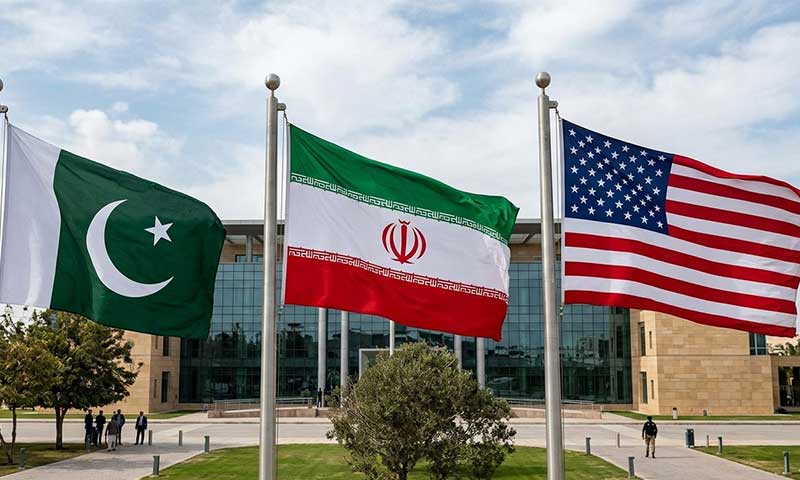
Pakistan is stepping up efforts to mediate between the United States and Iran, announcing plans to host high-stakes talks aimed at ending the escalating conflict that has gripped the Middle East for weeks.
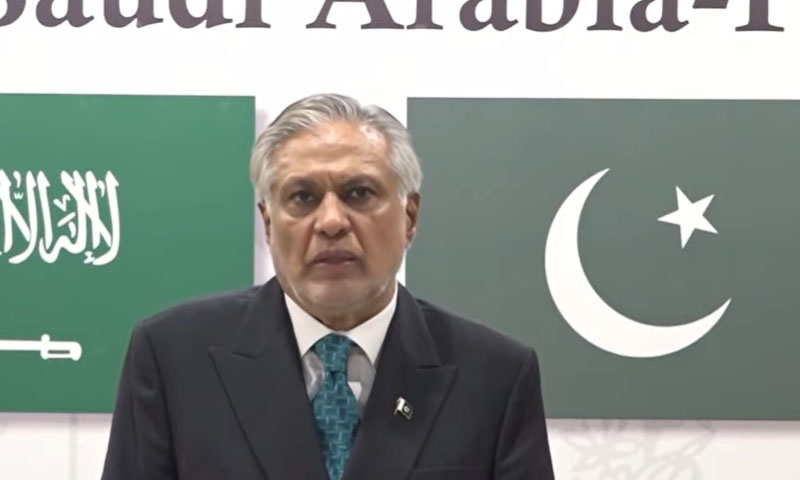
Foreign Minister Ishaq Dar said discussions among regional counterparts have focused on finding pathways to de-escalation and bringing both Washington and Tehran to the negotiating table. He stated that Islamabad would be “honoured” to facilitate meaningful dialogue in the coming days to achieve a comprehensive and lasting settlement.
While Pakistan has positioned itself as a neutral intermediary, it remains unclear whether both the United States and Iran have formally agreed to participate in the proposed talks. Nonetheless, the initiative underscores Islamabad’s growing diplomatic role amid a rapidly deteriorating regional security environment.
Trump expresses cautious optimism on Iran
US President Donald Trump has signalled cautious optimism about the prospects for diplomacy, revealing that Washington and Tehran have already been engaging through both direct and indirect channels. Speaking to reporters aboard Air Force One, Trump described Iran’s current leadership as “very reasonable”, suggesting there may be room for a negotiated settlement.
“I think we’ll make a deal with them, I’m pretty sure, but it’s possible we won’t,” Trump said, reflecting a mix of confidence and uncertainty. He also claimed that recent military actions had effectively reshaped Iran’s leadership structure, though he indicated that those now in power appeared open to dialogue.
The remarks mark a notable shift in tone, even as the United States continues to bolster its military presence in the region. Analysts say such statements may be aimed at keeping diplomatic options alive while maintaining strategic pressure on Tehran.
Tehran warns against ‘humiliation’ as tensions persist
Despite emerging diplomatic signals, Iranian officials have struck a defiant tone. Parliament Speaker Mohammad Baqer Qalibaf warned that Tehran would not accept any outcome that compromises its sovereignty or dignity.
“As long as the Americans seek Iran’s surrender, our response is that we will never accept humiliation,” he said, cautioning that Iran is prepared to respond if US forces are deployed on the ground.
The warning comes amid reports that the United States Department of Defense has sent thousands of additional troops to the Middle East, including special operations personnel and Marines. The deployments are seen as providing Washington with the option of launching a ground offensive, although no final decision has been announced.
At the same time, Israel has shown no indication of scaling back its military campaign. Officials in Israel have indicated that strikes will continue regardless of any potential diplomatic engagement between Washington and Tehran.
Intensifying conflict fuels economic shockwaves
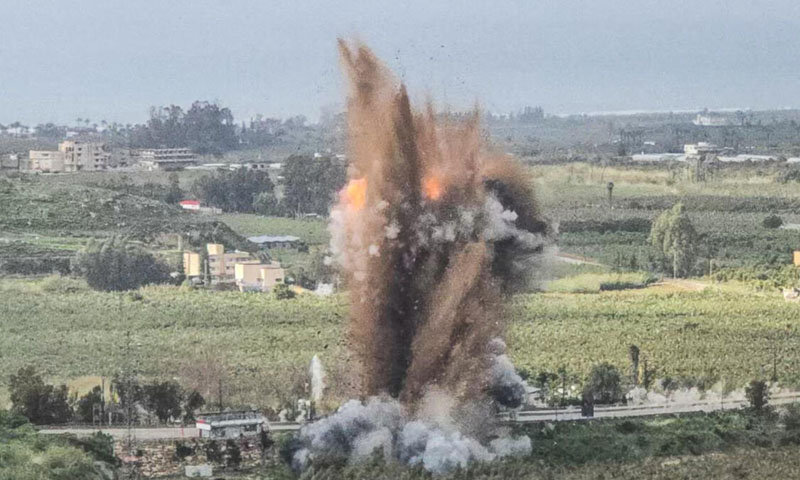
The conflict, which began with large-scale strikes and has since expanded across multiple fronts, is already having far-reaching consequences beyond the battlefield. Israeli forces have reportedly carried out extensive air strikes targeting Iranian military infrastructure, including missile launch sites and storage facilities, while Iranian retaliatory actions have also hit locations within Israel.
The situation has been further complicated by disruptions to critical global energy routes. Iran’s effective blockade of the Strait of Hormuz, a vital corridor for roughly one-fifth of global oil and gas shipments, has triggered a sharp surge in oil prices, intensifying economic pressures worldwide.
Markets have reacted nervously, with Asian stocks declining amid fears of a prolonged conflict. Oil benchmarks have surged toward record monthly gains, raising concerns about inflation and the potential for a broader global economic slowdown.
Adding to the volatility, regional actors are increasingly being drawn into the conflict. Iran-aligned groups, including Yemen’s Houthis, have launched attacks that risk further destabilising key shipping lanes, including the Bab el-Mandeb Strait.
As diplomatic efforts gather momentum, the situation remains precarious. With military escalation continuing alongside tentative outreach for talks, the coming days are likely to prove critical in determining whether the crisis moves toward de-escalation or deeper confrontation.