- WEB DESK
- October 25, 2026
Pakistan secures IMF nod to scrap solar panel tax hike
-

- Zafar Ali
- June 11, 2026
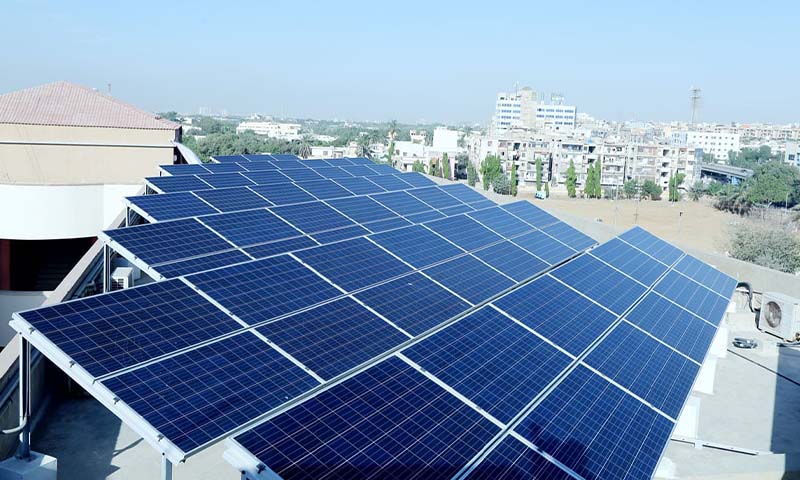
ISLAMABAD: The International Monetary Fund (IMF) has agreed to drop a proposed tax hike on solar panels and stationery products following interventions by Prime Minister Shehbaz Sharif, government sources said, as Islamabad finalises its federal budget for the fiscal year 2026-27.
The development is being viewed as a significant victory for the government, which has been under intense pressure to shield the public from further inflationary strain while navigating the stringent conditions of an IMF bailout programme.
According to sources privy to the development, the lender has formally withdrawn the proposal to increase the sales tax on solar panels from 10 per cent to 18 per cent.
A similar proposed hike on stationery items has also been withdrawn from the upcoming budget.
The sources also said that the tax structure governing the country’s stock market will remain unchanged effective July 1, 2026.
While the solar and stationery issues have been resolved, negotiations between Pakistani authorities and the IMF are still ongoing regarding proposed tax concessions for the real estate sector.
According to the sources, the government is considering raising the threshold for the highest income tax slab for the salaried class.
Sources said that an additional surcharge or penalty currently levied on high-income individuals is also under review for potential abolition.
Exporters are also expected to receive a shot in the arm, with tax authorities considering the removal of a 1 per cent export tax under a new relief package.
“The government may announce special measures for the export sector during the budget speech,” a tax official said on condition of anonymity.
The potential relief comes after the Finance Act 2024 shifted exporters from the Final Tax Regime (FTR) to the Normal Tax Regime (NTR).
That legislative shift replaced a flat 1 per cent turnover tax with a minimum 2 per cent tax on export income —comprising a 1 per cent minimum tax and a 1 per cent advance tax.
Industrial and export associations have urged the government to introduce reforms to support exporters and maintain competitiveness. Among their key demands are the restoration of the Final Tax Regime (FTR) on an optional basis with a 1 per cent turnover tax, timely payment of sales tax refunds to ease liquidity pressures, and targeted tax relief for exporters facing financial losses.
They have also called for the formation of a special committee to protect businesses operating under the Normal Tax Regime (NTR) from unnecessary audits and enforcement actions by the Federal Board of Revenue (FBR).
The federal budget for FY 2026-27 is expected to be presented in parliament on June 12, where the finalised IMF-backed measures will be formally laid out.
You May Also Like