- Web Desk
- 1 Hour ago
Pakistan sees surge in power use under surplus electricity package
-

- Web Desk
- 4 Minutes ago
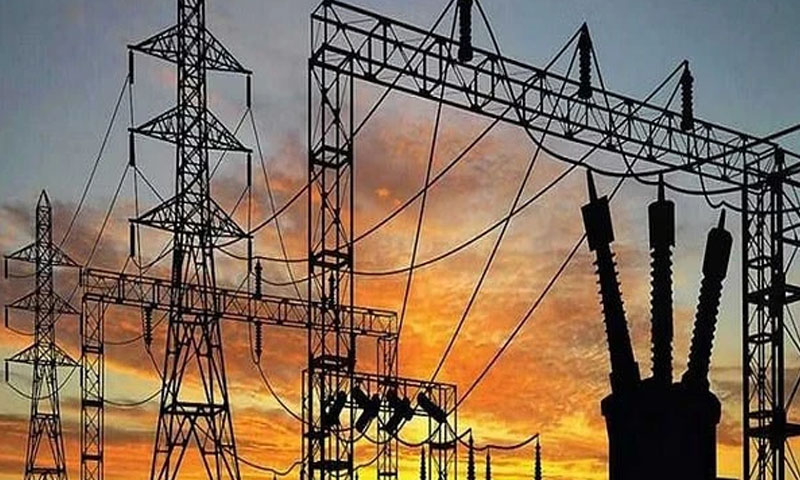
ISLAMABAD: Pakistan’s surplus power package has led to a sharp increase in electricity consumption over the past three months, with consumers saving more than Rs20 billion, the energy ministry said.
The Power Division said that industrial and agricultural sectors consumed an additional 2,164 gigawatt-hours of electricity between December 2025 and February 2026 under the scheme.
This accounted for about 23 per cent of total electricity sold to these sectors during the period, indicating a significant rise in demand, the ministry said.
Industrial consumers were the main beneficiaries that saved Rs19.6 billion, while agricultural users saved Rs1.14 billion, bringing total savings under the package to Rs20.83 billion, the ministry said.
Among industrial users, consumers in the B3 category saved Rs8.76 billion, followed by B2 with Rs5.34 billion, B4 with Rs4.02 billion and B1 with Rs1.48 billion.
A large number of consumers availed the package. Around 67 per cent of large-scale industrial users (B4), 52 per cent of B3 users, 48 per cent of B2 users and 43 per cent of B1 users benefited from the scheme. In the agricultural sector, about 34 per cent of consumers utilised the package.
In terms of electricity consumption under the scheme, B1 industrial users accounted for 27 per cent, followed by B4 at 25 per cent, B2 at 24 per cent, B3 at 22 per cent and agriculture at 21 per cent.
The ministry said that the success of the package was reflected in year-on-year growth in power demand of 12 per cent in January 2026 and 11 per cent in February 2026.
The data suggested the scheme encouraged industries to rely more on relatively cheaper grid electricity instead of costly alternatives, supporting economic recovery and stability in the energy sector.
The surplus power package was introduced in December 2025 to boost electricity consumption, improve utilisation of available generation capacity and provide financial relief to industrial and agricultural consumers.
You May Also Like