- Web Desk
- 58 Minutes ago
Pakistan shelves smart lockdown plan amid provinces’ opposition; Tarar says decision in 24–48 hours
-

- Web Desk
- 5 Minutes ago
ISLAMABAD: Pakistan has decided against imposing a nationwide “smart lockdown” after strong opposition from provincial governments, even as authorities continue to weigh measures to tackle inflation, energy pressures and regional instability, officials said.
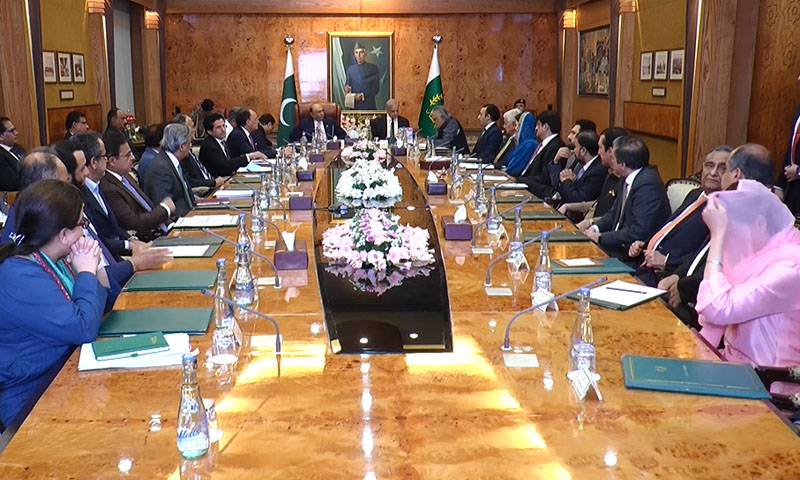
The decision was taken during a high-level meeting chaired by President Asif Ali Zardari and attended by Prime Minister Shehbaz Sharif, senior cabinet members, provincial chief ministers and top civil and military officials.
Information Minister Attaullah Tarar, speaking to HUM News, said that options such as lockdowns, adjustments in fuel prices and targeted relief measures are still under consideration, adding that a final decision would be announced within 24 to 48 hours.
According to an official statement, the meeting reviewed Pakistan’s overall security situation, economic challenges and the impact of evolving regional developments.
Participants discussed steps to address inflation, energy shortages and security risks, agreeing on the need for a coordinated national strategy and stronger institutional coordination.
A briefing to the meeting noted that all four provinces had opposed the imposition of a nationwide smart lockdown as part of energy-saving measures, leading to the government’s decision to drop the plan.
Officials said Prime Minister Sharif had repeatedly rejected proposals to raise fuel prices, with savings from austerity measures being redirected towards public relief.
The briefing said the government had already taken steps to cut expenditures, reduce development spending and limit the use of official vehicles.
President Zardari stressed that vulnerable segments of society would not be left behind during difficult times and called for coordinated decision-making across economic, energy, food security and security sectors.
He also urged awareness campaigns to promote fuel conservation, public transport and shared mobility, while directing authorities to take steps to ease the burden of inflation on the public, particularly regarding essential goods and services.
The meeting was attended by senior officials including Deputy Prime Minister and Foreign Minister Ishaq Dar, Finance Minister Muhammad Aurangzeb, Interior Minister Mohsin Naqvi and other cabinet members, along with provincial leaders from Punjab, Sindh, Khyber Pakhtunkhwa and Balochistan.
Officials from Gilgit-Baltistan and Azad Jammu and Kashmir also participated and briefed the meeting on efforts to curb inflation and ensure the supply of essential commodities.
Dar briefed participants on Pakistan’s diplomatic outreach, including contacts with Turkey, Saudi Arabia and Egypt, as well as consultations with other countries involved in the ongoing regional tensions.
A day after the meeting, Khyber Pakhtunkhwa Chief Minister Sohail Afridi said the smart lockdown proposal was dropped due to differing views among provinces.
He said Pakistan should play a constructive role in promoting peace, adding that the Muslim world often looks to Islamabad during crises. He also said the country would not support any decision that places an additional burden on the public, while criticising delays in financial allocations under the National Finance Commission award.
You May Also Like