- WEB DESK
- 25 Minutes ago
Pakistan signs USD800m health sector deals at Islamabad pharma conference
-

- Saba Bajeer
- 1 Hour ago
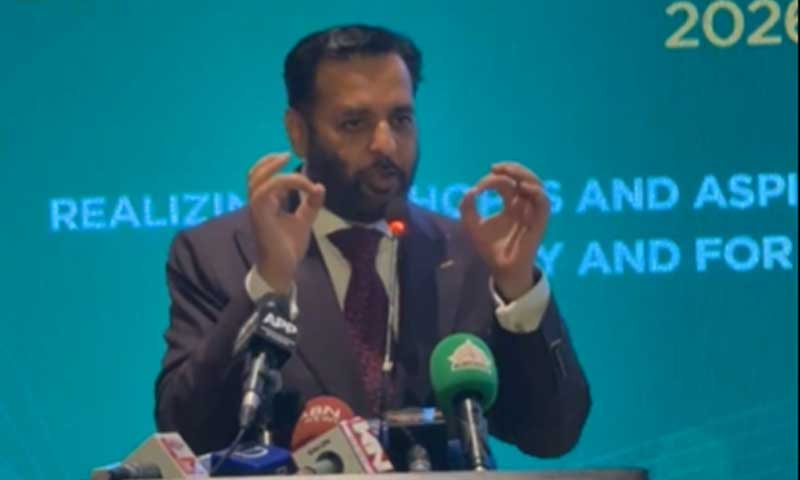
ISLAMABAD: Federal Health Minister Syed Mustafa Kamal on Wednesday said Pakistan had secured USD800 million worth of memorandums of understanding (MoUs) during a business-to-business (B2B) conference in Islamabad, where Chinese and Pakistani companies signed agreements aimed at expanding investment in the country’s pharmaceutical and healthcare sectors.
Addressing a press conference in Islamabad, Kamal said the conference focused on six sub-sectors of the pharmaceutical industry and brought together 140 Chinese companies and more than 200 Pakistani firms.
He said 22 agreements were signed during the event, including deals covering pharmaceutical raw materials, vaccines and medical devices. According to the minister, nine agreements were signed in the presence of Prime Minister Shehbaz Sharif.
Kamal said Pakistan had introduced its first-ever national vaccine policy, describing it as an important step towards strengthening the country’s healthcare system. He noted that while Pakistan currently administers 13 vaccines, all of them are imported.
The minister said Pakistan manufactures 85% of its medicines domestically, but around 95% of the raw materials used in pharmaceutical production are still imported. He added that 99% of medical devices used in the country also come from overseas, highlighting the need to develop local manufacturing capacity.
He said the government was working to modernise the health sector, adding that the Drug Regulatory Authority of Pakistan (DRAP) had already begun digitising its systems and would be fully digitalised within the next year.
Kamal said the digitisation drive had significantly simplified the approval process for medical devices, replacing a system that previously took between two-and-a-half and three years.
The health minister also said Pakistan currently exports medicines to 52 countries, expressing confidence that greater investment and technology transfer would further boost the country’s pharmaceutical industry.
Describing healthcare as a sector with long-term growth potential, Kamal said Pakistan’s population had surpassed 260 million and was increasing rapidly. He added that the country’s growing population would continue to drive demand for healthcare services and pharmaceuticals, saying Pakistan was projected to become the world’s fourth most populous country by 2030.
Kamal also praised the role of Islamabad Police in facilitating foreign delegations attending the conference, saying the event had drawn international attention to Pakistan’s efforts to expand cooperation in the healthcare sector.