- Web Desk
- 10 Minutes ago
Pakistan steps into diplomatic spotlight as US-Iran contacts take shape
-

- Web Desk
- 3 Minutes ago
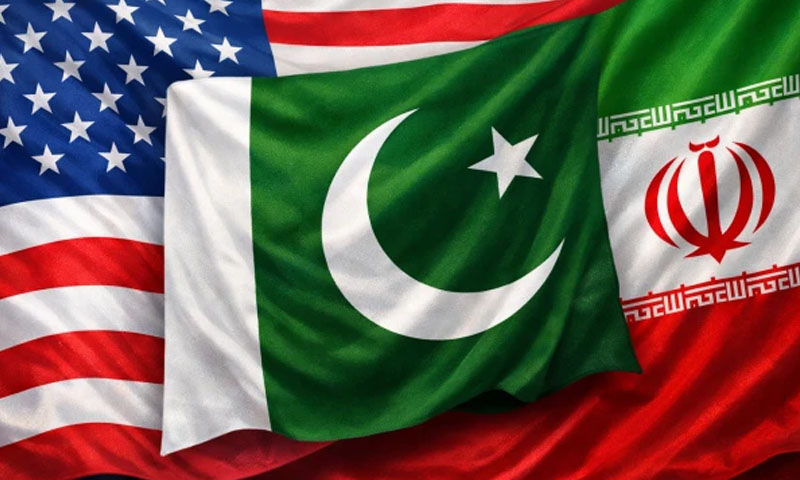
Pakistan has emerged as a key player in a behind-the-scenes diplomatic effort involving Turkiye and Egypt, as regional powers work to reduce tensions in the ongoing US-Israel conflict with Iran. Officials familiar with the matter said the three countries helped create conditions for a temporary five-day halt in proposed US strikes on Iran’s energy and power facilities, signalling a broader push to contain further escalation.
US President Donald Trump said Washington had held constructive discussions with Tehran in recent days and suggested the talks could open the door to a wider resolution. The pause, however, is understood to be limited and conditional, applying only to potential attacks on major Iranian energy targets while fighting elsewhere continues.
Officials described the diplomatic activity as more than symbolic, saying the effort reflected serious coordination between Ankara, Cairo and Islamabad. Reports from international media like Financial Times indicated that senior representatives from the three countries had separately communicated with US envoy Steve Witkoff and Iranian Foreign Minister Abbas Araghchi, passing messages between the two sides. No direct talks between Washington and Tehran have been confirmed.
Pakistan, officials said, has for some time been involved in relaying messages between the United States and Iran, but its role has become more active in recent days as fears grew over possible attacks on energy infrastructure and the future of shipping through the Strait of Hormuz.
Islamabad keeps channels open as talk of possible venue grows
According to officials, the exchanges have focused not only on securing a pause in attacks but also on wider issues including de-escalation, the reopening of the Strait of Hormuz and the contours of a possible end to the war. Iran has publicly denied holding direct or indirect negotiations with the Trump administration, though it has acknowledged receiving messages through friendly countries. Tehran has maintained that any diplomatic outcome would need to include guarantees against future attacks, compensation for damage, recognition of its rights and a broader regional framework.
In Islamabad, the development is being presented as proof of Pakistan’s continuing diplomatic relevance in a fast-moving regional crisis. Prime Minister Shehbaz Sharif, in a call with Iranian President Masoud Pezeshkian, voiced concern over the intensifying violence and stressed the need for dialogue and collective efforts to restore calm. Deputy Prime Minister and Foreign Minister Ishaq Dar also spoke with his Iranian counterpart Abbas Araghchi, underlining the importance of diplomacy for regional peace and stability.
Speculation has also grown over whether Islamabad could host eventual direct talks between US and Iranian representatives. Some international reports have floated the Pakistani capital as a possible venue, though no official arrangement has been confirmed by any side. Pakistan’s Foreign Office has said the country would be willing to facilitate such talks if both parties were interested, while an Iranian official dismissed the reports as premature speculation.
You May Also Like