- Web Desk
- 1 Hour ago
Pakistan to abolish six‑decade‑old special Iran border pass system
-

- Web Desk
- Feb 18, 2026
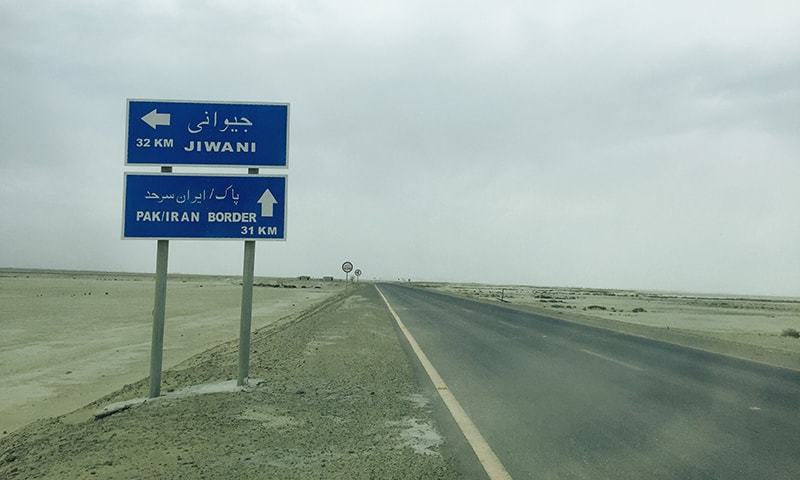
QUETTA: Pakistan has announced that the six-decade-old “border corridor system” with Iran will be completely abolished within the next one to two months, after which cross-border travel between the two countries will only be permitted with a passport and visa.
According to the Balochistan Home Department, ending the corridor system will help regulate and formalize cross-border movement. However, residents and traders in border districts say the move will deal a major blow to their economic and social lives.
Under the corridor system, residents of designated border areas on both sides were allowed to travel across the border without passports and visas using a special permit known as a “rahadari” (border pass).
Although some reports suggest the system will end by March 31, Balochistan Additional Chief Secretary for Home Hamza Shafqaat said no final date has been given. He said the system would be fully phased out within one to two months, after which a One Document Regime (ODR) would be strictly enforced, making passports and visas mandatory for all cross-border travel.
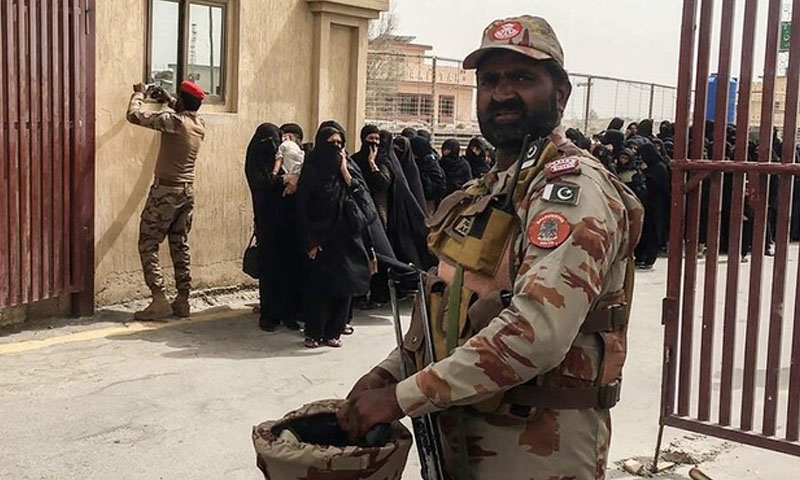
Pakistan implemented the One Document Regime along its border with Afghanistan in November 2023, triggering ongoing protests in Chaman. Before the policy, around 20,000 people crossed daily through the main Pak-Afghan border gate in Chaman without passports or visas.
Officials say that after Afghanistan, the enforcement of a fully documented regime with Iran is part of a broader strategy titled “Spectrum of Illegal Activities,” aimed at eliminating terrorism and establishing lasting peace in Balochistan. The plan targets illegal cross-border movement, narcotics trafficking, fuel smuggling, non-customs-paid vehicles, and other illicit trade networks, with phased strict measures already under way.
Hamza Shafqaat said security assessments concluded that terrorism in Balochistan cannot be fully eradicated as long as border smuggling, illegal movement, non-customs-paid vehicles, and drug trafficking persist, as these activities allegedly provide financial support to militant groups.
Referring to attacks in Nushki on January 31 that left 27 people dead, he said initial information indicated the attackers were financed through proceeds from poppy cultivation.
He rejected the notion that allowing smuggling could support development in border areas, citing Turbat and Gwadar, where smuggling has continued for decades without improving economic or security conditions. He said those areas have experienced some of the highest numbers of attacks in the province.
The provincial government maintains that only a limited number of people benefit from the corridor system and that its abolition is unlikely to have widespread negative consequences. Shafqaat said passport issuance for border residents would be simplified and made free to ease the transition. Authorities are also working to extend operating hours at border crossings to promote legal trade.
However, residents of border districts have expressed serious concerns. Sadiq Baloch, a resident of Gwadar, said that although the corridor had become increasingly restricted in recent years, it remained an important facility for families divided across the border. He warned that its abolition would make it more difficult to visit relatives.
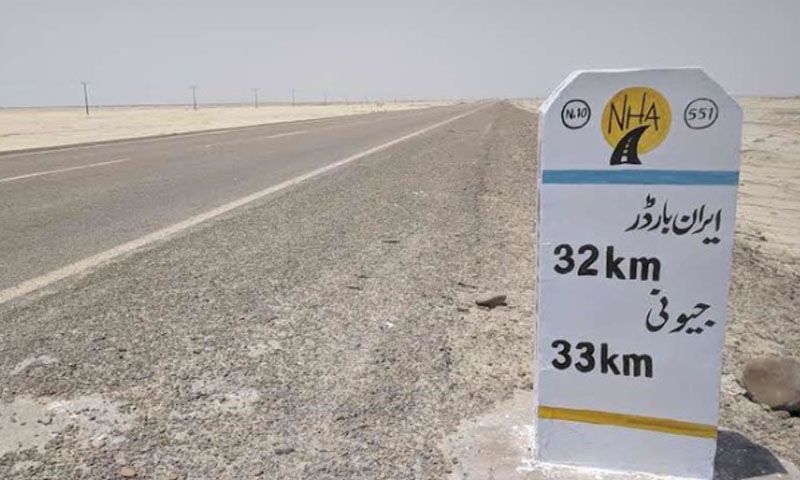
Pakistan and Iran share a border stretching over 900 kilometres, with large Baloch populations on both sides maintaining family and business ties. Under the 1960 Pak-Iran Border Administrative Agreement, residents of designated border districts were permitted limited travel within specified areas for a fixed period without passports or visas. These permits, known as “rahadari,” were issued by deputy commissioners of the relevant districts.
Under the system, residents of five Balochistan districts bordering Iran — Chagai, Washuk, Panjgur, Kech, and Gwadar — were allowed to cross into Iran twice a year for about 15 days through designated crossing points without passports or visas.
Over time, both countries tightened and restricted the arrangement. In 2023, Pakistan computerized the system to prevent fake and unauthorized permits.
Muhammad Asif, a resident of Taftan, said that since tensions between Israel and Iran escalated in June 2025, Pakistan has not allowed ordinary citizens to travel to Iran by land, permitting only air travel. He said that despite holding a passport and one-year visa, he was told he could not cross from Taftan and would have to travel to Quetta or Karachi to fly, significantly increasing costs.
Former Quetta Chamber of Commerce president Fida Hussain Dashti said many countries offer special border passes to maintain centuries-old social and trade ties among border communities. He said trade has already suffered due to international sanctions on Iran and regional tensions, and further restrictions could worsen the situation.
He added that while traders from Pakistan are not being allowed to travel to Iran by land even with passports and visas, Iranian nationals are reportedly allowed to enter Pakistan, calling the decision illogical. He urged the government to reopen and simplify land immigration to ease difficulties for traders and residents.
He also noted that the Gabd-Rimdan crossing point near Gwadar, opened a few years ago as the second major crossing after Taftan, had attracted significant private investment in hotels and restaurants. However, months of immigration closure have severely affected businesses there.
Large stretches of the Pakistan-Iran border run through rugged mountains, deserts, and sparsely populated areas, historically associated with weak monitoring and illegal movement, including drug, fuel, and human smuggling.
The presence of armed groups such as the Baloch Liberation Army, Baloch Liberation Front, Jaish al-Adl and Jundallah has periodically strained relations between Pakistan and Iran. Tensions peaked in January 2024 when Iran launched missile strikes in Panjgur district of Balochistan, claiming to target Jaish al-Adl hideouts. Pakistan responded with airstrikes in Iran’s border district of Saravan, targeting what it said were Baloch militant bases.
Both countries have reinforced border security with trenches, concrete walls, fencing, and watchtowers. Pakistan began installing a 12-foot-high fence in 2019, which was reported to be more than 90% complete by December 2024.
The government expects that stricter border controls and the abolition of the corridor system will improve security and reduce illegal movement and trade. Border communities, however, fear the measures will further limit economic opportunities and make it harder to maintain cross-border family ties.
You May Also Like