- WEB DESK
- October 29, 2026
Pakistan to establish National Cyber Security and Social Media Awareness Council
-

- WEB DESK
- October 29, 2026
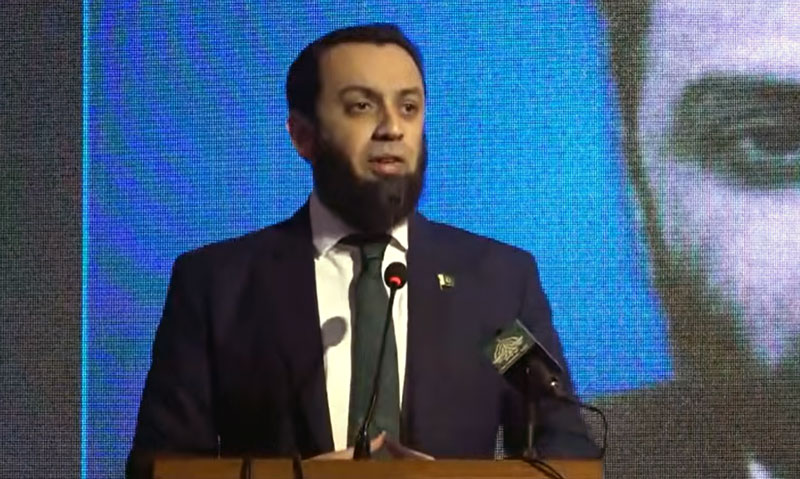
ISLAMABAD: Pakistan plans to establish a National Cyber Security and Social Media Awareness Council within the next two weeks to coordinate efforts to improve digital literacy and protect citizens from online threats, the information and broadcasting minister said on Thursday.
The minister proposed the council at the closing ceremony of a Cyber Security Awareness Week seminar in Islamabad, calling for a coordinated, year-round approach to tackling cyber threats, misinformation and the risks associated with rapidly evolving digital technologies.
He said the Pakistan Telecommunication Authority (PTA) could steer the initiative, with federal ministries, government divisions, provincial governments and relevant organisations represented on the council.
The government would fully facilitate its establishment, the minister said, adding that suggestions could be invited from different stakeholders to shape its work.
“We can announce this council so that we can make our future generations safer,” he said, indicating that it could be announced within a week or two.
Digital literacy to be integrated into education
The minister said Pakistan needed a comprehensive digital literacy curriculum covering schools, colleges and universities to help people recognise and respond to online threats.
While universities were conducting research on misinformation and developing fact-checking mechanisms, he said the country lacked a unified digital literacy syllabus that could be adapted to different stages of education.
He called for digital literacy to become compulsory and said educational programmes should evolve alongside technological advances.
The minister also proposed that every organisation in Pakistan establish a digital literacy cell and that government officers and bureaucrats receive relevant training.
He said conventional mass-awareness campaigns were no longer sufficient to address the risks posed by social media and other digital platforms.
Instead, awareness initiatives should deliver targeted messages to specific audiences, using appropriate formats and micro-influencers to communicate information effectively.
Calls for mandatory AI content labelling
The minister also called for regulatory frameworks requiring social media platforms to label content generated using artificial intelligence (AI), saying users should be able to identify artificially produced material.
He said TikTok was the only social media platform to have made AI labelling mandatory for its content, and urged authorities to ensure the requirement was incorporated into Pakistan’s regulatory framework.
The minister highlighted financial scams, deepfakes and online privacy risks as challenges requiring greater public awareness. He warned that a single click could expose users’ personal information to platforms.
He said the rapid development of social media had outpaced the country’s ability to establish effective regulatory frameworks, making implementation more difficult.
Council to bring institutions together
The minister said Pakistan’s cyber security and social media institutions were still evolving as they responded to emerging threats.
He referred to the National Cyber Crime Investigation Agency (NCCIA) and the Social Media Protection and Regulation Authority (SMPRA), saying a coordinated mechanism could help strengthen their work alongside the PTA and relevant government ministries.
He also acknowledged the role of the United Nations Development Programme (UNDP) and the PTA in policy development, regulation, implementation and public awareness.
The minister said the Ministry of Information and Broadcasting had established a Digital Communication Department to strengthen its digital presence and expand its work at the regional level.
He said the ministry was also working with the Ministry of Information Technology and the PTA and holding discussions with social media platforms.
The proposed council, he said, would bring these efforts together under a whole-of-government approach and help ensure that cyber security awareness continued throughout the year rather than being limited to occasional campaigns.
You May Also Like


- AFP
- October 29, 2026