- Web Desk
- Mar 13, 2026
Pakistan unveils national climate finance strategy
-

- Web Desk
- Nov 12, 2023
ISLAMABAD: In response to the pressing challenges of climate change, the Ministry of Planning, Development, and Special Initiatives has unveiled a comprehensive roadmap to address climate change while fostering sustainable development under the National Climate Change Policy (NCCP).
In 2021, the government approved the NCCP, aiming to achieve sustained economic growth by confronting climate change challenges, integrating climate policy with other national policies, prioritizing pro-poor and gender-sensitive adaptation, and promoting cost-effective mitigation. The policy also emphasizes building climate-resilient infrastructure.
As part of the NCCP, the Planning Ministry has formulated the National Climate Finance Strategy (NCFS) to identify sectoral priorities and scale climate finance. The NCFS plays a vital role in Pakistan’s commitment to the Paris Agreement, with a focus on leveraging private sector participation, international climate finance, and carbon markets.
Notably, Pakistan is among the countries most affected by weather and climate-related hazards, including floods, landslides, droughts, heatwaves, extreme cold, and cyclones. In a significant development, the Sustainable Finance Bureau (SFB) has been established to transform climate finance. The SFB will realign the Public Sector Development Program (PSDP) toward sustainable finance, with 20% (Rs 925 billion) of new PSDP schemes in FY2023-24 designated as green. This initiative is expected to qualify for concessional climate funds, enhancing Pakistan’s capacity to meet its climate targets.
In a groundbreaking move, Pakistan requires $348 billion to build systemic resilience between 2023 and 2030, according to the World Bank’s 2023 report. This investment is essential to climate-proof Pakistan’s development trajectory and ensure the well-being of its citizens.
The initiative also highlights the importance of a Climate Responsive Public Investment Framework (CRPIF), which incorporates climate considerations into the planning and execution of all development projects. This approach aligns with the National Adaptation Plan (NAP) and Nationally Determined Contributions (NDCs), signifying Pakistan’s commitment to climate-smart policies and practices.
Furthermore, the Planning Ministry’s Green Growth Framework aims to promote emerging green value chains and support economically and environmentally sustainable activities. This framework is aligned with the latest global trends and best practices in green finance and technology.
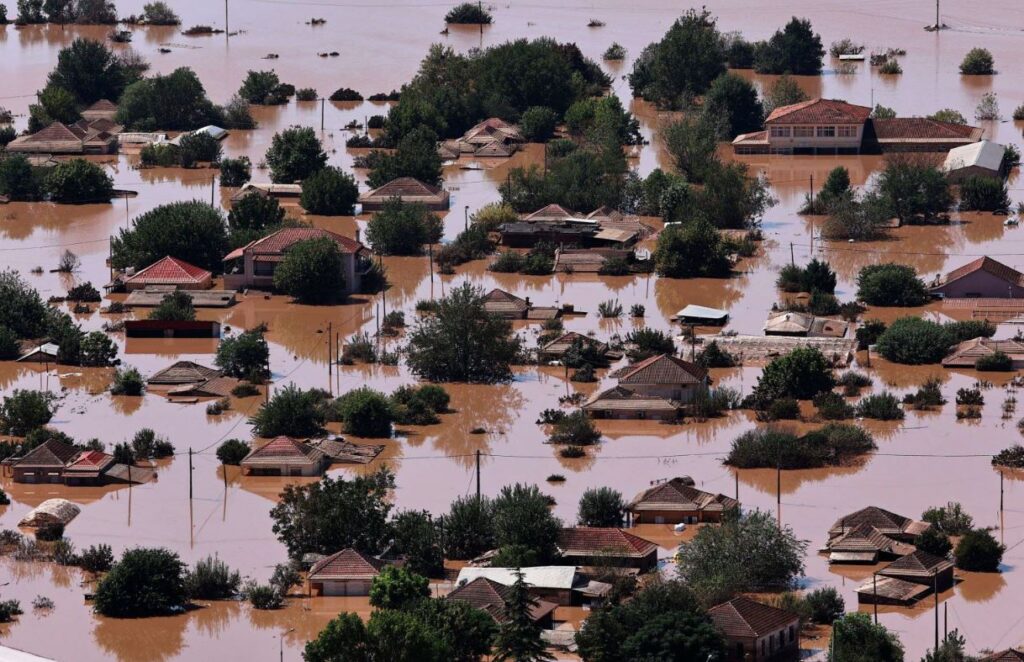
Pakistan has been experiencing the severe impacts of climate change, from devastating floods to prolonged droughts, heatwaves, and melting glaciers. These changes pose substantial threats to the country’s environment, economy, and people’s well-being. Pakistan suffered unprecedented devastation due to torrential rains and flooding last year, affecting 33 million people and resulting in economic losses worth $30 billion, particularly in Balochistan and Sindh. In response, the government devised a comprehensive 4RF framework, proposing effective coordination and collaboration among federal and provincial governments, development partners, donors, international and national NGOs, academic and private sectors.
While Pakistan’s carbon emissions are less than one percent of the global total, it remains highly vulnerable to climatic disasters. Pakistan has presented its case at the COP27 summit held in Egypt last year and will continue to advocate for its interests at the upcoming COP28 in Dubai.
The Planning Ministry reaffirms its commitment to lead Pakistan toward a sustainable and resilient future. The initiatives and strategies outlined in this presentation mark a significant step in ushering in a new era of environmentally conscious and economically sound development in Pakistan.
You May Also Like