
- Aasiya Niaz
- 17 Minutes ago
Pakistan weathers global fuel crisis as shortages grip other nations
-

- Web Desk
- 3 Minutes ago
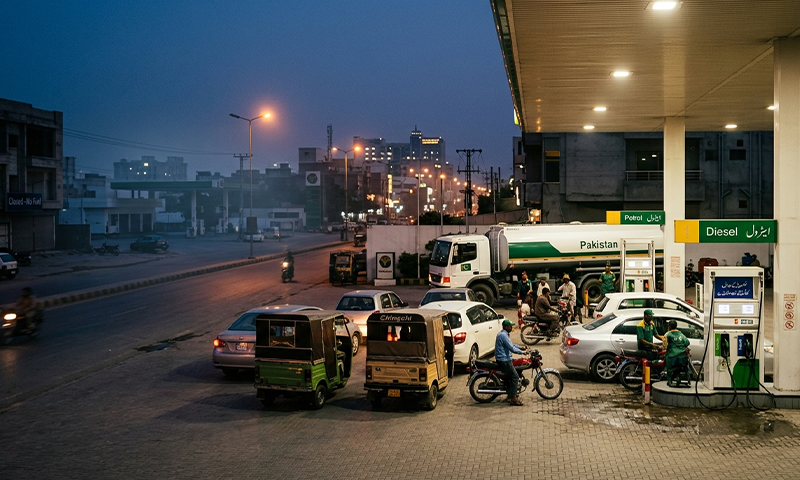
As a global energy shock ripples across markets amid escalating geopolitical tensions, countries around the world are grappling with fuel shortages, rationing systems and growing public disruption. From Southeast Asia to Europe, governments have been forced into emergency measures as supply chains tighten and prices surge.
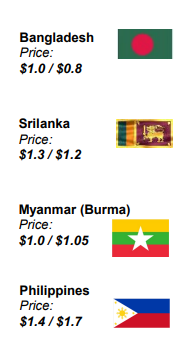
In countries such as Sri Lanka, Myanmar and the Philippines, strict fuel rationing has become the norm. Authorities have introduced QR-based fuel passes, capped weekly consumption, and even enforced odd-even licence plate systems as pumps run dry. The Philippines has gone as far as declaring a national energy emergency, with reports of grounded transport and empty streets following an 82 per cent surge in diesel prices.
Against this backdrop, Pakistan has emerged as a relatively stable outlier, managing to maintain supply continuity and avoid the widespread disruption seen elsewhere.
A CONTROLLED AND COORDINATED RESPONSE
Officials say Pakistan’s fuel supply chain remains secure, with sufficient petrol and diesel stocks to meet national demand through April 2026 and beyond. This has been supported by close government oversight, including daily monitoring of petroleum reserves and import schedules by a high-level committee led by the deputy prime minister.
Crucially, the government has moved to shield consumers from the full impact of global price volatility. A Rs 27 billion price stabilisation mechanism, alongside roughly Rs 69 billion in subsidies, has helped prevent a sharper spike in domestic fuel prices, keeping petrol well below projections that could have approached Rs 400 per litre.
As a result, fuel prices have remained relatively moderate, hovering around $1.2 per litre for diesel and $1.1 for petrol, levels that are competitive within the region.
LOWER PRICE SHOCK, STEADY SUPPLY
While global diesel prices have surged dramatically, by as much as 82 per cent in some countries, Pakistan has recorded a comparatively modest increase of around 22–25 per cent. This places it among the more stable energy markets at a time when many Asian economies are facing far steeper hikes.
Equally significant is what Pakistan has avoided. Unlike several countries battling panic buying and long queues at filling stations, there have been no nationwide rationing systems or severe mobility restrictions. Fuel remains widely available, and economic activity has continued without major interruption.
GLOBAL FUEL CRUNCH PUTS PAKISTAN’S RESILIENCE IN FOCUS
The effectiveness of Pakistan’s response becomes even clearer when viewed against the challenges unfolding in comparable economies. Elsewhere, the crisis has triggered far-reaching consequences. Slovenia has introduced formal fuel rationing, becoming the first European Union country to do so. In Australia, hundreds of service stations have reported shortages, while Laos has cut school attendance to conserve energy. Across multiple regions, long queues, supply bottlenecks and emergency policies have become increasingly common.
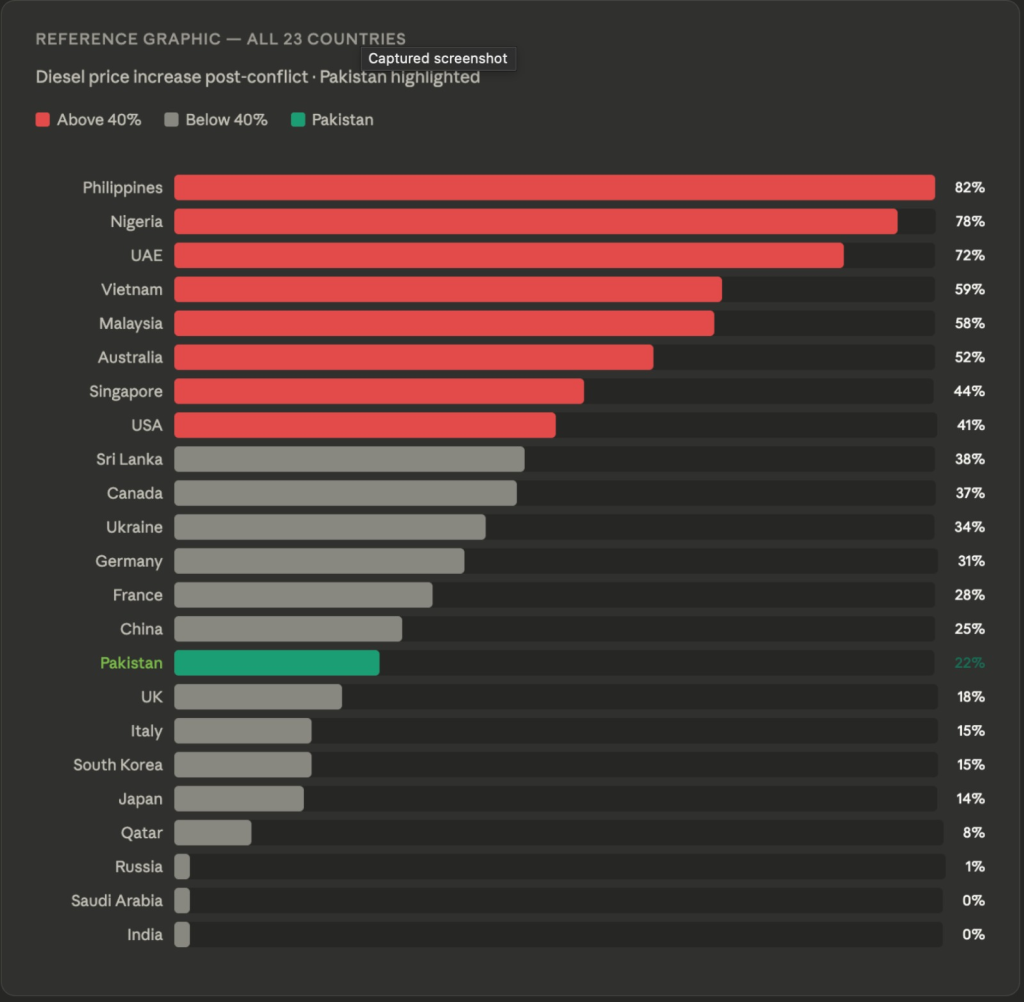
In contrast, Pakistan’s combination of strategic reserves, financial buffers and active monitoring has helped it navigate the turbulence with relative calm.
Analysts say this reflects a broader approach focused on balancing global market pressures with domestic stability, ensuring that supply remains uninterrupted while cushioning consumers from sudden price shocks.
As the global energy situation remains volatile, Pakistan’s handling of the crisis stands out as a case of measured resilience, offering a degree of stability at a time when much of the world continues to struggle.
You May Also Like