- Javed Soomro
- November 23, 2026
Pakistani pop singer Bunny, known for ‘Dil Mein Tum’, dies in Karachi
-

- WEB DESK
- November 24, 2026
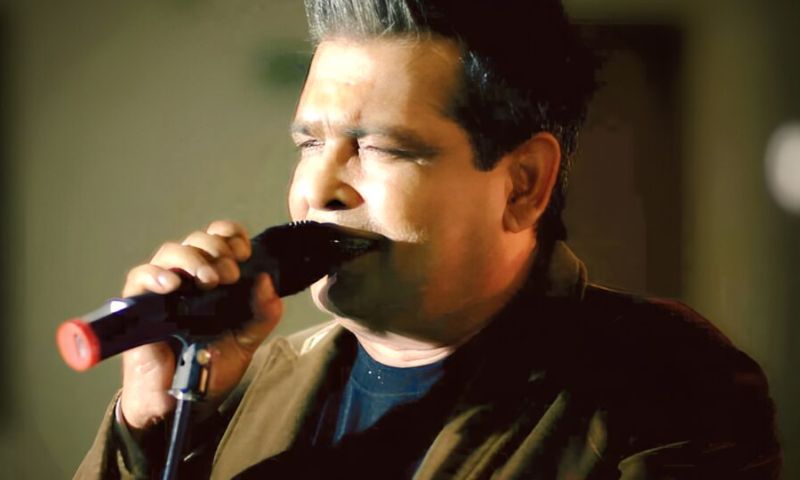
KARACHI: Pakistani pop singer and musician Mohsin Raza Khan, popularly known as Bunny, whose romantic hit “Dil Mein Tum” became one of the defining songs of the country’s pop music scene in the late 1980s, has died at his home in Karachi, actor Khaled Anam said. He died on Sunday, November 22.
Anam announced the death of his close friend on social media, describing him as a wonderful musician and singer. His passing prompted tributes from fans and members of the entertainment industry, who remembered him for his distinctive voice and contribution to Pakistani pop music.
Bunny rose to nationwide prominence in 1989 with “Dil Mein Tum, Honton Pe Tum, Aankhon Mein Jaan-e-Jaan”, a romantic number that became his signature song and remains associated with the golden era of Pakistani pop. The track helped establish him as a prominent voice at a time when music television programmes and album releases were bringing a new generation of pop singers to wider audiences.
Born in Lahore in 1956, Bunny developed an interest in music while studying at Government College Lahore. His father gave him the nickname Bunny, inspired by the cartoon character Bugs Bunny, and it eventually became more widely recognised than his given name.
He began his musical career in 1973, joining a band in Lahore and performing as a guitarist and vocalist. He later performed at hotels and venues across Pakistan before travelling to Europe, where he worked with musicians and performed in countries including Germany and Italy.
After returning to Pakistan in 1988, Bunny began working on the melody that would become “Dil Mein Tum”. He approached lyricist Master Manzoor to write words for the composition. The song was recorded at Shadab Sounds in Karachi, with musician Arshad Mahmood further refining the arrangement, before it was released by EMI Pakistan in November 1989.
The song’s success brought Bunny national recognition, with its video also gaining popularity through music television. His subsequent track “Ho Jaunga Deewana” became another popular number and the title song of his second album. Other songs associated with him included “Raasta Naya”, “A Bhi Ja”, “Nashili”, “Zakhmi Jigar” and “Pehla Pyar”.
Across four albums released through EMI Pakistan and Sound Master, Bunny developed a musical identity that blended Western pop influences with Urdu romantic lyrics and elements of local musical traditions. His style helped give Pakistani pop music a distinct sound during a period of rapid growth in the industry.
His contribution extended beyond romantic songs. Bunny also recorded patriotic and national songs, including “Aik Qoum Zinda Qoum, Pakistani Qoum”, which was broadcast on Pakistan Television after the country conducted nuclear tests in 1998. The song’s reference to Chagai, where the tests were carried out, gave it particular resonance at the time.
He had earlier recorded “Hum Bhi Jeetain Hain Aur Kamyaab Hain” for the 1996 Atlanta Olympics, a song that gained popularity among listeners. His “Raasta Naya”, the title track of another album, also carried a motivational message aimed at young people.
Bunny also maintained an interest in nurturing emerging musicians. In 1996, he established a recording studio on Karachi’s Tariq Road, which became a space for young artists to practise, record and develop their work.
The studio helped support emerging musicians, including members of the band Mizmaar, who were allowed to use its facilities without charge during their early years. Musicians Imran Momina and Shalom Xavier were also among those who benefited from his encouragement and guidance.
Bunny remained away from the public eye for extended periods because of illness, although he continued to pursue music as a composer. He made occasional appearances in interviews in recent years, revisiting his career and the songs that had made him popular.
In one of his later milestones, EMI Pakistan recently handed over the rights to his songs to him, according to the biographical account provided by those close to his career.
His death marks the loss of a singer whose best-known work became part of the soundtrack of an era when Pakistani pop was finding a wider audience through music channels, albums and live performances.