- Web Desk
- 17 Minutes ago
Pakistan’s blue economy ambition hinges on coastal wetlands, warns Maritime Minister
-

- Web Desk
- Feb 03, 2026
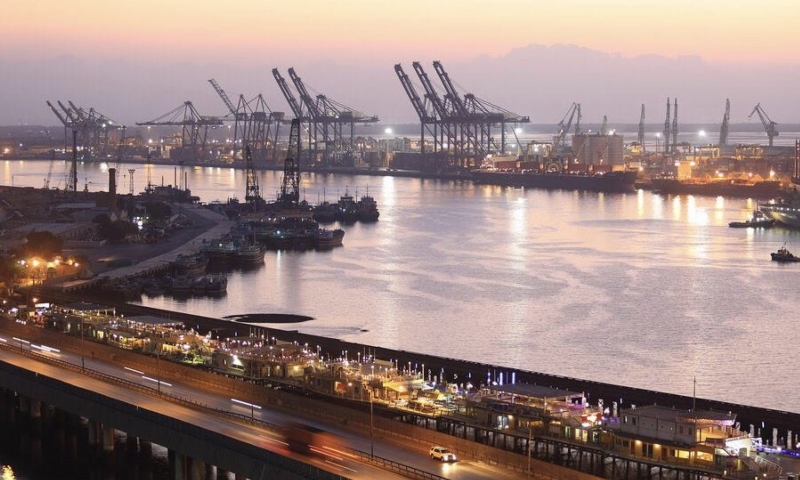
WEB DESK: As Pakistan looks to unlock the vast potential of its blue economy seeking to expand its contribution from around $1 billion to more than $100 billion annually Federal Minister for Maritime Affairs Muhammad Junaid Anwar Chaudhry has issued a stark reminder: the country’s coastal wetlands are the unsung guardians standing between long-term prosperity and ecological risk.
According to APP, In a strong message marking World Wetlands Day on February 2, 2026, observed this year under the theme “Wetlands and Traditional Knowledge: Celebrating Cultural Heritage,” the minister underscored the critical role played by fragile coastal ecosystems. Mangroves, estuaries, tidal flats, and coastal lagoons, he said, form the first line of defense for the Arabian Sea, marine biodiversity, and the economic lifelines of Pakistan’s coastline.
Wetlands: Nature’s Frontline Defenders
Minister Chaudhry described wetlands as natural shields that quietly sustain both the environment and the economy.
Protecting marine life and water quality
Wetlands filter pollutants, maintain water quality, and provide essential breeding and nursery grounds for fish and other marine species. Healthy wetlands mean stronger fish stocks—supporting affordable seafood supplies and securing livelihoods for fishing communities across Sindh and Balochistan.
Shielding coasts from climate threats
Acting as natural buffers, wetlands reduce the impact of flooding, coastal erosion, and rising sea levels. Their role is increasingly vital as climate risks intensify, helping protect coastal settlements, ports such as Karachi and Gwadar, and critical maritime infrastructure.
Fueling the blue economy
From sustainable fisheries and maritime trade to eco-tourism and climate resilience, wetlands underpin every major pillar of the blue economy. With Pakistan’s maritime sector already recording strong gains and recent years seeing record profits, the preservation of wetlands is essential to scaling up employment, exports, and national revenue.
“These ecosystems act as natural buffers that protect coastal communities, ports, and infrastructure while maintaining water quality and ecological balance in marine environments,” the minister said.
He placed particular emphasis on the Indus Delta mangroves, calling them indispensable for fisheries, food security, and the survival of millions who depend on coastal resources.
Why Wetlands Matter to Every Pakistani
The implications stretch far beyond the shoreline. A resilient blue economy holds the promise of nationwide benefits, including expanded employment opportunities in shipping, fisheries, and coastal tourism, increased exports and stronger economic stability, improved food security through sustainable seafood production, and reduced disaster risks for vulnerable coastal populations. However, the minister cautioned that these potential gains remain under serious threat, as pollution, plastic waste, untreated industrial effluents, habitat destruction, and escalating climate pressures continue to degrade Pakistan’s wetlands at an alarming pace.
Call for Protection and Public Action
Minister Chaudhry renewed calls for stronger conservation measures, increased public awareness, and deeper community involvement to protect Pakistan’s wetlands for future generations. Safeguarding these ecosystems, he stressed, is essential to ensuring a healthier marine environment and sustainable economic growth.
As Pakistan moves forward with its comprehensive Blue Economy Policy, the message from the maritime minister is unmistakable: protecting wetlands is not an environmental luxury, it is a national economic necessity. Without them, the country’s maritime ambitions risk being washed away before they can be fully realized.