- Web
- 6 Hours ago
Pakistan’s spin attack in form ahead of T20 world cup, but India boycott looms
-

- Web Desk
- Feb 04, 2026
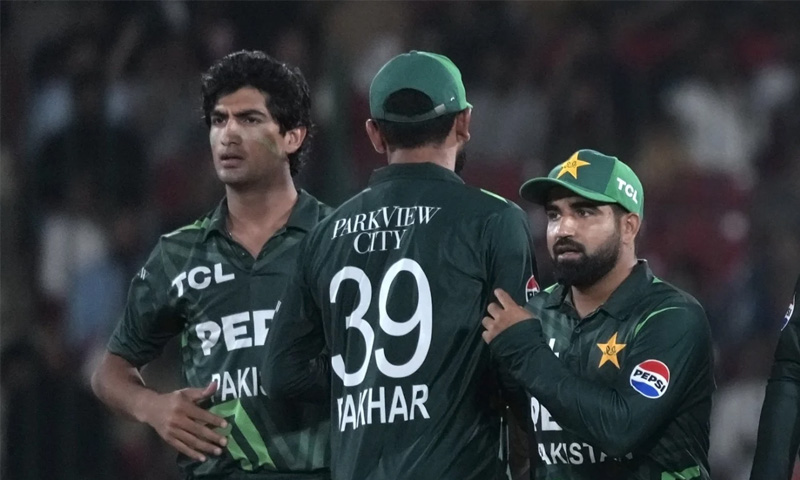
Pakistan’s spin-focused squad heads into the ICC Men’s T20 World Cup in top form, following impressive pre-tournament victories over Australia and South Africa. Captain Salman Ali Agha voiced confidence in his team’s ability to make the most of the spin-friendly conditions in Colombo and India.
However, a major cloud hangs over the campaign: the Pakistani government has confirmed that the team will boycott its Group A clash against arch-rivals India on February 15 in Colombo. The ICC has issued a stern warning, stating the move could have “significant and long-term implications,” including sanctions, financial penalties, and broadcaster backlash. The decision follows broader geopolitical considerations, with Pakistan citing solidarity with Bangladesh, which withdrew from the tournament over security concerns related to playing in India.
Pakistan’s squad boasts a formidable spin arsenal, including all-rounders Mohammad Nawaz, Shadab Khan, and Saim Ayub, leg-spinner Abrar Ahmed, and unorthodox left-armer Usman Tariq, according to AFP. The pace attack remains strong with Shaheen Shah Afridi and Naseem Shah leading the new-ball attack, while openers Saim Ayub and Sahibzada Farhan provide explosive batting firepower. Coach Mike Hesson has made bold selection changes, including dropping veteran wicketkeeper Mohammad Rizwan to inject fresh energy into the side.
The boycott could leave Pakistan with zero margin for error in Group A, which also features the Netherlands, United States, and Namibia. With two points automatically awarded to India, Pakistan must win all remaining group matches to secure a place in the next round. Captain Agha said, “That is not our decision. We have to follow what our government decides… We will try to win all our other group matches and qualify for the next round.”
No full bilateral series between India and Pakistan has been played since 2012–13, with clashes limited to ICC events at neutral venues. The boycott risks affecting global viewership and tournament revenue, as India-Pakistan matches traditionally draw the largest audiences. Pakistan’s spin strength offers real potential to challenge tournament favorites, but forfeiting the India match could turn promising momentum into a difficult group-stage campaign.
You May Also Like