- Web Desk
- 46 Minutes ago
Pakistan’s T20 WC standoff is bigger than ‘Pakistan Vs India’ and ‘PCB Vs ICC’: Here’s why…
-

- Web Desk
- Feb 02, 2026
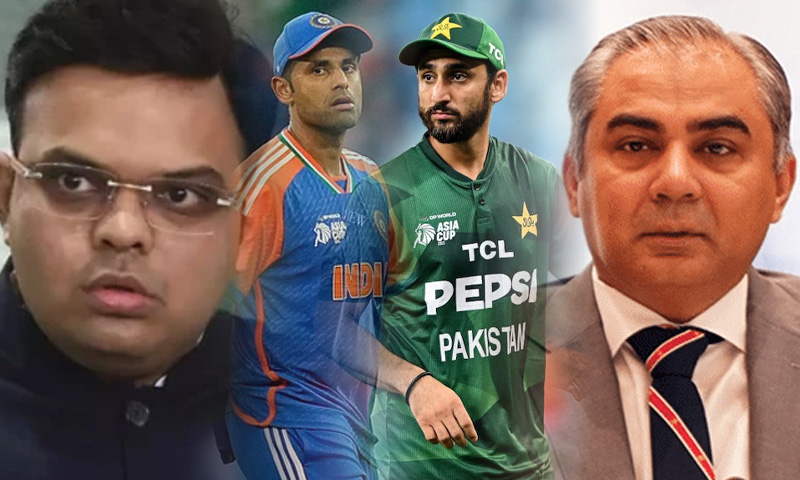
Pakistan’s decision to boycott its T20 World Cup 2026 match against India is not just about forfeiting two points or missing cricket’s most-watched fixture. It has triggered a broader confrontation over who controls international cricket, how consistently rules are applied, and whether global tournaments can survive selective participation by member nations.
At stake is the authority of the International Cricket Council (ICC), the credibility of tournament governance, and the financial and competitive integrity of the World Cup itself.
PAKISTAN’S DECISION
On February 1, the government of Pakistan announced that the national team will not take the field for its Group A match against India scheduled for February 15 in Colombo, Sri Lanka, despite being cleared to compete in the tournament.
“The Pakistan cricket team shall not take the field in the match scheduled on 15th February 2026 against India,” the statement said, without specifying detailed reasons.
Pakistan will automatically forfeit two points if it boycotts the match, potentially affecting its progression in the tournament.
All of Pakistan’s World Cup matches are already scheduled in Sri Lanka – a neutral venue agreed upon due to long-standing political tensions between Islamabad and New Delhi – making the refusal particularly significant.
THE TRIGGER: BANGLADESH’S EXPULSION
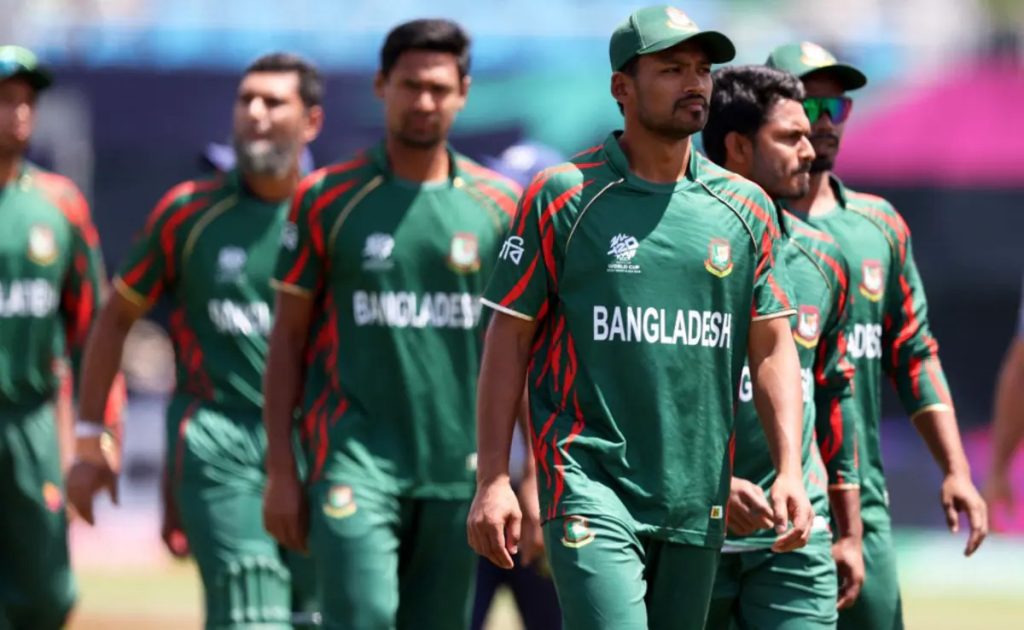
The boycott follows the ICC’s controversial decision to remove Bangladesh from the T20 World Cup, replacing them with Scotland after the Bangladesh Cricket Board (BCB) raised security concerns about playing in India.
Pakistan publicly backed Bangladesh, accusing the ICC of applying “double standards” by expelling a full member nation over what it described as a logistical deadlock.
“You can’t have double standards,” PCB Chairman Mohsin Naqvi said. “You can’t say for one country they can do whatever they want and for others to have to do the complete opposite.”
Pakistan has argued that Bangladesh, as a major stakeholder in world cricket, has been treated unfairly.
GOVERNMENT VS CRICKET BOARD
While the announcement came from the government of Pakistan, the Pakistan Cricket Board (PCB) has not yet formally communicated the decision to the ICC.
PCB Chairman Naqvi, who also serves as Pakistan’s interior minister, met Prime Minister Shehbaz Sharif last week, saying a final decision on Pakistan’s participation in the tournament would be taken either on Friday or next Monday.
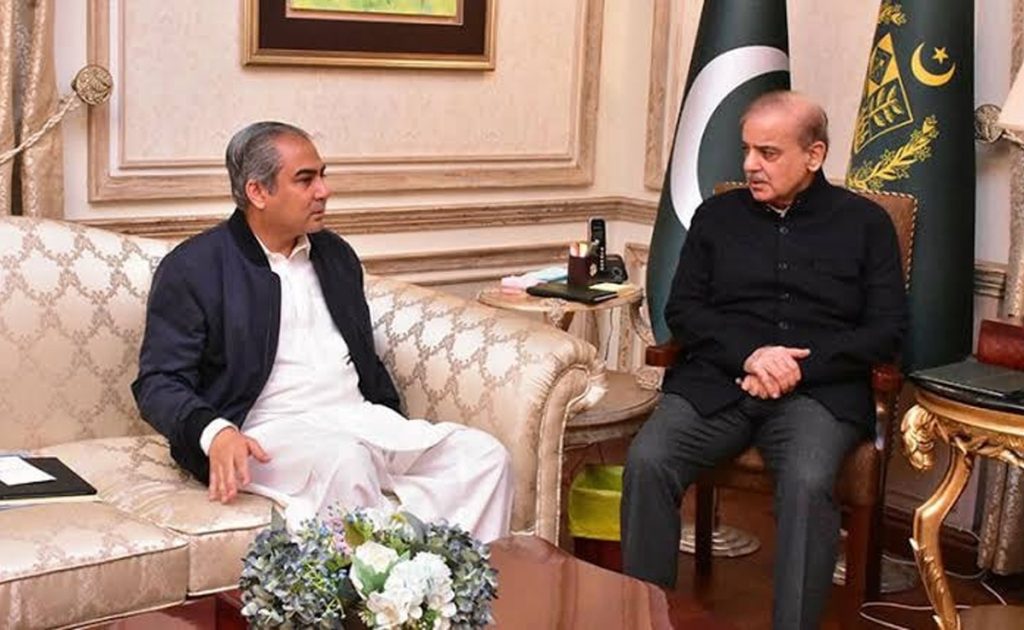
The situation highlights the increasingly blurred lines between state policy and cricket administration, placing the PCB in a difficult position between domestic political directives and ICC regulations.
ICC PUSHES BACK
The ICC responded with a strongly worded statement, warning that selective participation threatens the foundation of international tournaments.
“Selective participation undermines the spirit and sanctity of the competitions,” the ICC said, adding that global events depend on integrity, consistency, competitiveness and fairness.
While acknowledging governments’ roles in national decision-making, the ICC said Pakistan’s stance was “not in the interest of the global game or the welfare of fans worldwide,” including millions in Pakistan.
The governing body urged the PCB to consider the long-term consequences for Pakistan’s cricketing future and the wider global ecosystem.
WHY THIS MATTERS BEYOND ONE MATCH?
Pakistan and India have not played bilateral cricket since 2012 and only meet in multi-nation tournaments, making their encounters cricket’s most valuable commercial asset.
A boycott would deal a major blow to broadcast revenues, sponsorship agreements and viewership, affecting not just the two teams but the entire tournament.
Former Pakistani players have supported the government’s stance, saying India had repeatedly mixed politics with sport and that Pakistan’s decision was long overdue.
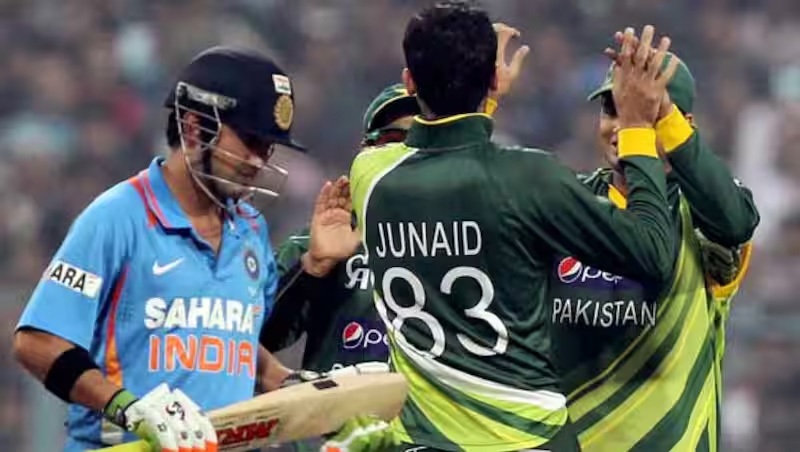
More importantly, the episode sets a potential precedent: if one team can selectively opt out of marquee fixtures, the ICC’s ability to enforce uniform participation comes into question.
As the T20 World Cup begins this weekend, the standoff has exposed a deeper crisis, not just about Pakistan and India, but about whether global cricket can maintain credibility when politics, security concerns and governance collide. The outcome of this tournament could reshape how international cricket navigates political fault lines long after this World Cup ends.
You May Also Like