- Web
- 9 Hours ago
Pentagon considers deploying 10,000 more troops to Middle East: report
-

- Web Desk
- 2 Minutes ago
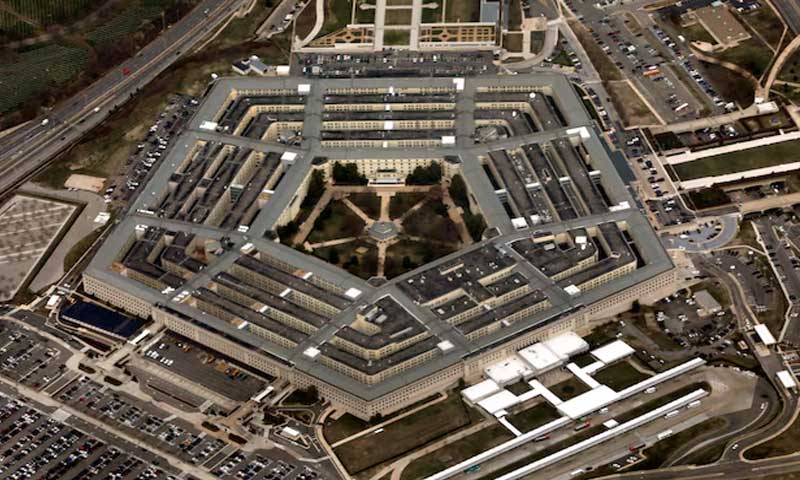
The US Department of Defense is evaluating a proposal to send up to 10,000 additional ground forces to the Middle East, according to a report by The Wall Street Journal.
Officials familiar with the discussions said the move is aimed at expanding the range of military options available to President Donald Trump, as his administration simultaneously explores the possibility of diplomatic engagement with Tehran.
Trump highlights Middle East strategy, praises Pakistan’s role amid Iran talks
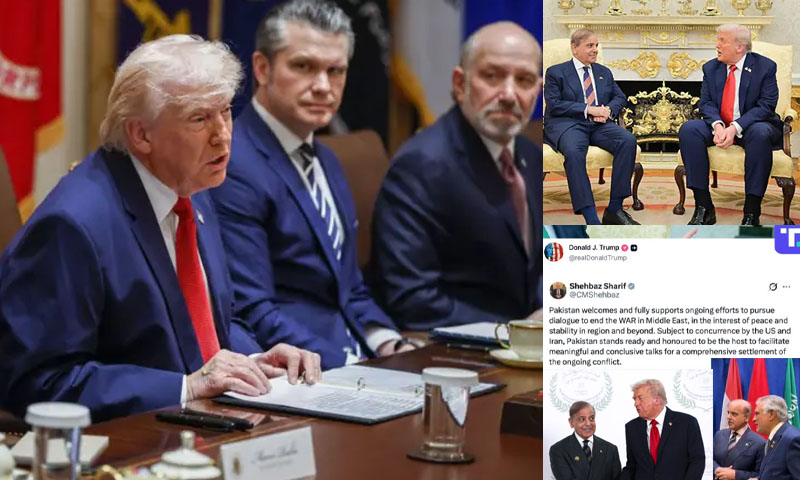
Earlier Trump had outlined Washington’s strategic posture in the Middle East during a cabinet meeting, while commending Shehbaz Sharif for his role in promoting regional stability.
In wide-ranging remarks, Trump said the United States had played a decisive role in ending multiple conflicts, claiming it had “stopped eight wars” while remaining selective about military involvement. He stressed that some conflicts, including the war in Ukraine, were not initiated by Washington, and asserted that a decades-long dispute had been resolved rapidly under his leadership.
Referring to South Asia, Trump described Pakistan’s premier as “a very good man” and underscored the importance of preventing escalation between India and Pakistan, both nuclear-armed states, calling it critical for regional peace.
On Iran, Trump said negotiations were ongoing, highlighting what he described as a goodwill gesture by Iran, which allowed ten oil tankers, some carrying Pakistani flags , to transit the Strait of Hormuz. He characterised the move as a sign of seriousness in talks, while also claiming the US had significantly degraded Iran’s military capabilities.
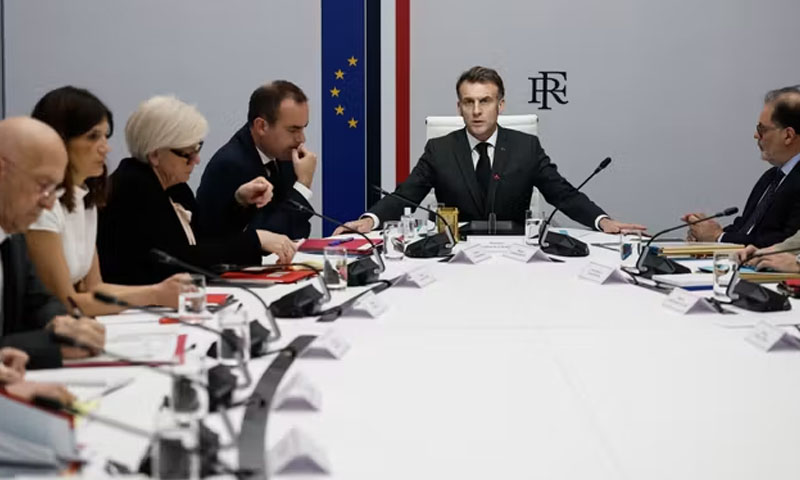
Separately, France has been coordinating with international partners to ensure the safe resumption of shipping through the strait, a vital artery for global energy supplies. French officials described the initiative as defensive, aimed at restoring maritime traffic once hostilities ease.
The Strait of Hormuz remains one of the world’s most critical النفط corridors, carrying roughly a fifth of global seaborne oil and significant liquefied natural gas exports, particularly from Qatar. Any disruption risks sharp price increases and economic ripple effects across major importers.
Meanwhile, Turkey has stepped up diplomatic outreach, with Foreign Minister Hakan Fidan engaging regional capitals to support de-escalation. Pakistan has also reiterated its willingness to facilitate dialogue between Washington and Tehran.
Despite these efforts, Iran has maintained firm preconditions for negotiations, seeking concessions tied to losses incurred during recent US-Israeli strikes, complicating prospects for a breakthrough.
You May Also Like