- Web Desk
- 31 Minutes ago
Pentagon presents Trump with plan for broader strikes on Iran
-

- Web Desk
- Jan 13, 2026
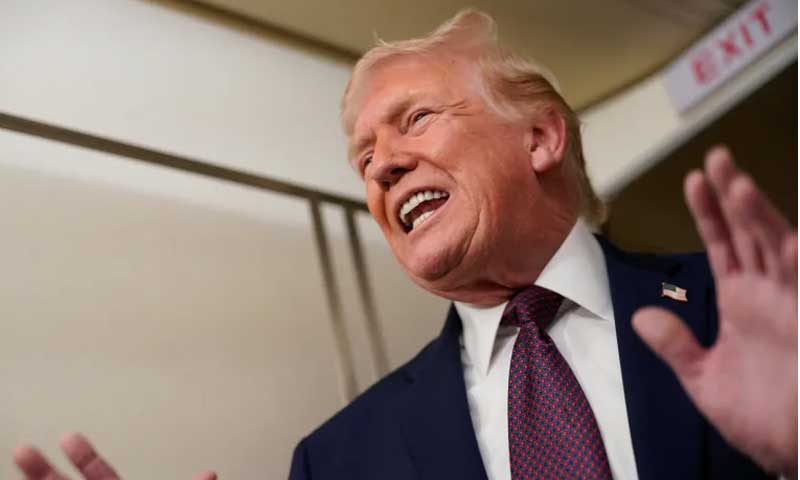
WEB DESK: The Pentagon has presented former US president Donald Trump with plans for a wider set of military strikes against Iran, raising the possibility of an escalation in tensions between the two countries, the New York Times reported.
According to the report, the proposed options include attacks on Iran’s nuclear programme and ballistic missile facilities. US officials cited by the newspaper said strikes could take place within days if Trump authorises military action.
The report added that non-kinetic options are also under consideration, including cyberattacks or operations targeting Iran’s internal security institutions.
However, the New York Times cautioned that any US action could trigger a severe retaliatory response from Iran, increasing the risk of a broader regional conflict.
Tehran said on Monday it was maintaining lines of communication with Washington as US President Donald Trump considered how to respond to Iran’s violent suppression of nationwide protests, one of the most serious challenges to clerical rule since the 1979 Islamic Revolution.
Iranian Foreign Minister Abbas Araghchi said contacts between him and US special envoy Steve Witkoff had continued before and after the protests and remained ongoing. While Tehran was reviewing ideas conveyed by Washington, Araghchi said they were difficult to reconcile with what he described as US threats.

Trump announces tariff threat against Iran’s trading partners
Escalating pressure on Iran, Trump announced late Monday that any country continuing to do business with Tehran would face a 25 per cent tariff on its exports to the United States.
“This Order is final and conclusive,” Trump said in a social media post, without explaining the legal basis for the measure or clarifying whether it would apply to all of Iran’s trade partners. The White House did not respond to requests for further details.
Iran’s mission to the United Nations declined to comment on the announcement. Iran, already subject to extensive US sanctions, exports most of its oil to China, with Turkey, Iraq, the United Arab Emirates and India among its key trading partners.
Warnings of force alongside calls for diplomacy
Trump has repeatedly warned Iran’s leadership that the United States would respond militarily if security forces opened fire on protesters. On Sunday, he said Washington could meet Iranian officials and confirmed contacts with Iran’s opposition.
Despite the rhetoric, White House press secretary Karoline Leavitt said diplomacy remained the administration’s preferred path. She told reporters that private messages from Tehran differed from its public statements and that Trump was interested in exploring those channels.
Protests intensify as death toll rises
Iran’s leadership is grappling with sustained demonstrations that began over soaring prices and worsening living conditions, before expanding into direct calls for the overthrow of the clerical establishment.
US-based human rights group HRANA said it had verified 646 deaths by late Monday, including 505 protesters, 113 members of security forces and several bystanders, while hundreds more cases were under investigation. The group said more than 10,700 people had been arrested since protests erupted on December 28. Reuters was unable to independently verify the figures.
HRANA also reported scenes at Tehran’s Behesht Zahra cemetery, where families of those killed gathered at burial sites and chanted anti-government slogans.
Internet restrictions and security crackdown
The flow of information from Iran has been severely restricted by an internet blackout imposed last week, though some citizens have accessed the web through Starlink satellite connections, according to sources inside the country.
Iran’s Ministry of Intelligence said it had detained what it described as “terrorist” cells accused of killing pro-government paramilitary volunteers, attacking military installations and setting mosques ablaze. State media has focused heavily on casualties among security personnel, while Iran has not released an official death toll.
Addressing a rally in Tehran’s Enqelab Square, parliament speaker Mohammad Baqer Qalibaf said the country was confronting what he called a multi-front war — economic, psychological, military and internal security-related.
Araghchi said authorities had the situation under control, claiming dozens of mosques and ambulances had been torched during the unrest.
US urges citizens to leave Iran
The US State Department warned of heightened risks for Americans in Iran, urging citizens to consider departing overland to neighbouring Armenia or Turkey.
“US nationals are at significant risk of questioning, arrest, and detention in Iran,” the department said in a travel advisory posted on X.
Washington weighs range of options
Trump was expected to meet senior advisers on Tuesday to discuss Iran policy, according to a US official. Media reports said options under review included military strikes, cyber operations, tougher sanctions and increased online support for anti-government voices.
Strikes on Iranian military facilities would carry significant risks, given that some installations are located in densely populated areas.
In an interview with CBS News, exiled opposition figure Reza Pahlavi, son of Iran’s last shah, urged the US president to act quickly, saying Trump would need to make a decision soon.
Regional risks and economic fallout
Iranian officials have warned Washington against miscalculation. Qalibaf said any attack on Iran would make US bases and Israel legitimate targets, heightening fears of regional escalation.
Iran is still recovering from last year’s conflict with Israel, which weakened its regional influence and inflicted losses on allied groups such as Hezbollah. Israel also killed senior Iranian military commanders during the fighting.
Global oil prices climbed to seven-week highs on Monday amid concerns that political instability and possible US action could disrupt Iranian exports.
Despite the scale of the protests, analysts say there are no clear signs of fractures within Iran’s clerical leadership or security forces. The opposition remains fragmented, with no single figure emerging to lead the movement.
Underlying the unrest is deep public resentment toward economic mismanagement and the powerful Revolutionary Guards, whose extensive business interests span sectors including energy, construction and telecommunications.
You May Also Like