
- Web
- 3 Hours ago
Pentagon tells Congress: No evidence Iran planned first strike
-

- Web Desk
- Mar 02, 2026
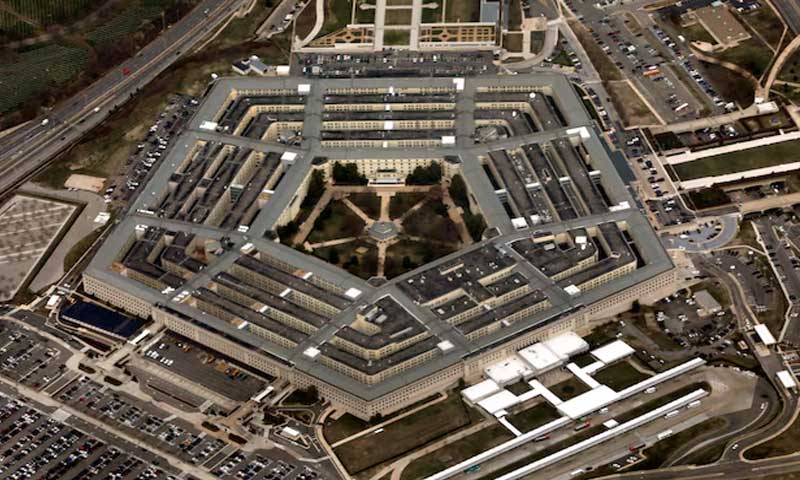
WEB DESK: Pentagon officials informed congressional staff on Sunday that there was no intelligence to suggest Iran had intended to strike United States forces first, according to sources familiar with the briefings. The disclosure comes amid escalating US and Israeli military action against Iran, marking one of the most ambitious campaigns against the country in decades.
According to Reuters, closed-door briefings with Democratic and Republican staff from national security committees in both the House of Representatives and the Senate lasted over 90 minutes, White House spokesperson Dylan Johnson said. Officials stressed that while Iran’s ballistic missiles and proxy forces posed a serious threat to US interests, there was no evidence Tehran planned a direct attack on American personnel.
The strikes, launched on Saturday, reportedly included the assassination of Supreme Leader Ayatollah Ali Khamenei, the sinking of Iranian warships, and attacks on more than 1,000 targets across the country.
President Donald Trump told reporters that the offensive, expected to continue for several weeks, was intended to prevent Iran from acquiring a nuclear weapon, curb its missile programme and eliminate threats to the United States and its allies. He also urged the Iranian people to rise against their government.
However, the Pentagon’s admission appears to undermine key justifications previously offered by senior administration officials, who had suggested that Iran might strike US forces preemptively — a rationale cited in defence of the attacks.
Democrats have criticised the operation as a “war of choice”, noting that peace talks mediated by Oman reportedly still held potential. Trump’s claims that Iran was close to achieving the capability to strike the US with ballistic missiles have not been substantiated by US intelligence, sources told Reuters.
The conflict has already claimed the first American casualties, intensifying scrutiny over the administration’s justification for the military campaign.
You May Also Like