- Web Desk
- 3 Hours ago
Petrol price decreases to Rs378 as PM announces Rs80 cut in petroleum levy
-

- Web Desk
- 1 Hour ago
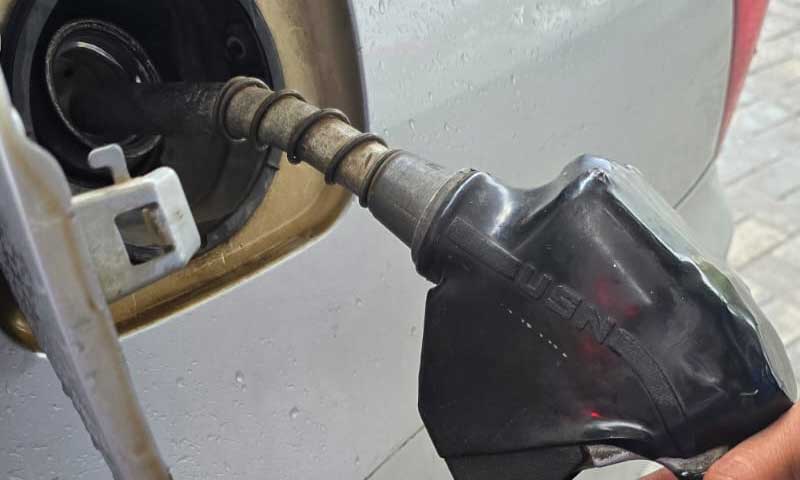
ISLAMABAD: Prime Minister Shehbaz Sharif on Friday announced that the price of petrol would be fixed at Rs378 per litre for one month after the government decided to cut the petroleum levy by Rs80, saying the move was part of a broader effort to shield the public from the latest global oil shock triggered by war. On the night of April 2, petrol price went up to Rs459.79 per litre.
Addressing the nation, the prime minister said Pakistan was once again facing difficult circumstances as soaring international oil prices had created fresh challenges for ordinary citizens, farmers and transporters. He said the global surge in fuel prices had not spared Pakistan and had worsened the burden on households already struggling with inflation.
Shehbaz said the government had spent Rs129 billion over the past three weeks to provide relief to the public, adding that limited national resources had made the task more difficult. He said the aim of the latest measures was to ensure that the weight of rising prices did not fall entirely on the people.
Relief package after fuel shock
The prime minister said the reduction in the petroleum levy would apply for one month and was aimed at softening the impact of the sharp rise in petroleum product prices. He said the government had held extensive consultations after the announcements made a day earlier by the finance minister and petroleum minister.
As part of the relief measures, Shehbaz announced a subsidy of Rs100 per litre for motorcyclists. He said goods transport vehicles would also receive a subsidy of Rs100 per litre to help control freight costs and prevent further inflationary pressure on essential items.
For public transport, the government has decided to provide a monthly subsidy of Rs100,000, he said. The prime minister added that railway economy class fares would not be increased despite the pressure created by higher fuel costs, describing the decision as necessary to protect lower-income passengers.
He also announced a subsidy of Rs1,500 for farmers, saying the agricultural sector was facing severe difficulties because of the increase in fuel prices. He said farmers were among the hardest hit and needed immediate support to continue their work.
‘The poor man’s stove has gone cold’
The prime minister said the harsh reality was that the kitchens of poor families had gone cold as inflation and fuel costs continued to bite. He said even powerful economies around the world had been weakened by inflation, while in Pakistan the crisis had created new hardships for the common man.
He said global markets had seen an alarming increase in oil prices because of the ongoing war, but the government had still managed to prevent fuel shortages and panic. “In other countries, people stood in queues for petrol, but we did not let that happen here,” he said.
Shehbaz said the government’s focus remained on reducing the pain of ordinary people and preventing the latest wave of international price shocks from turning into a deeper domestic crisis.
Appeal for peace, austerity at home
The prime minister said Pakistan wanted the war to end as soon as possible and would continue to play its role for peace until hostilities ceased. He said Deputy Prime Minister Ishaq Dar and Field Marshal Asim Munir had been working day and night for peace and stability.
He also thanked Khyber-Pakhtunkhwa Chief Minister Ali Amin Gandapur for cooperation during difficult circumstances.
In a separate austerity measure, Shehbaz announced that cabinet members would not draw salaries for six months, saying the leadership must also share the burden at a time of national strain.
You May Also Like