- Web Desk
- 3 Minutes ago
Pezeshkian links ceasefire to Khamenei’s sacrifice as Iran backs fragile US truce
-

- Web Desk
- 5 Minutes ago
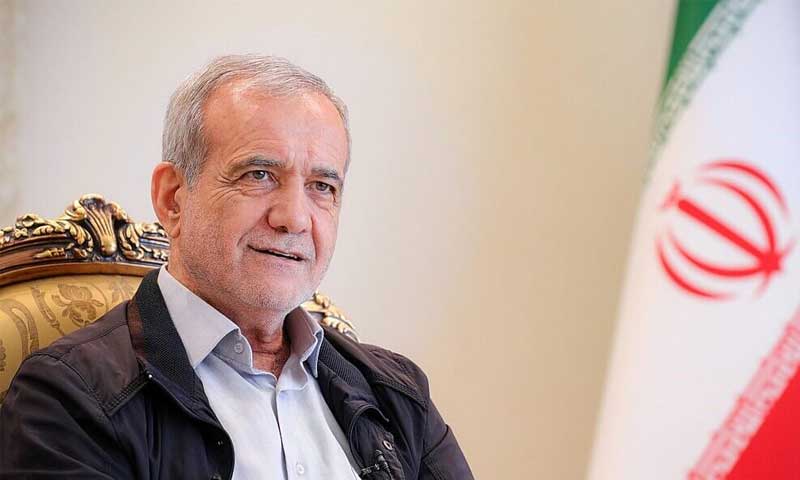
Iranian President Masoud Pezeshkian on Wednesday described the emerging ceasefire with the United States as a result of national unity and the “sacrifice” of the country’s slain Supreme Leader Ali Khamenei, as diplomatic momentum builds for talks in Islamabad.
In a statement issued amid rapidly evolving developments, Pezeshkian said the truce reflected the acceptance of Iran’s core principles and was achieved through the resilience of the Iranian people. He emphasised that the country would remain united across diplomatic, military and civil spheres moving forward.
“The ceasefire… is the fruit of the blood of our great martyred leader Khamenei and the presence of the people on the scene,” the president said, signalling both defiance and cautious openness to negotiations.
Ceasefire framed as strategic and symbolic win
Iranian leadership has portrayed the truce as a strategic victory, asserting that Tehran’s key demands have been recognised. Pezeshkian’s remarks underscore a broader narrative within Iran that the pause in hostilities is not merely a diplomatic compromise but a result of sustained resistance.
He added that unity would remain central “whether in diplomacy, defence, public mobilisation or service delivery”, suggesting Iran intends to maintain pressure while engaging in talks.
The comments come as US President Donald Trump struck an upbeat tone, calling the development “a big day for world peace” and expressing confidence that Tehran was ready to step back after weeks of escalating conflict.
Pakistan’s mediation and path to talks
The proposed two-week ceasefire follows intensive diplomatic efforts led in part by Pakistan. Prime Minister Shehbaz Sharif has announced that Islamabad will host negotiations between the two sides on April 10, aimed at securing a longer-term settlement.
Trump agreed to suspend planned strikes on Iran after outreach from Pakistani leadership, including Field Marshal Asim Munir, with the pause tied to Tehran reopening the Strait of Hormuz and halting retaliatory actions.
Iran has signalled conditional cooperation, stating it would suspend defensive operations if attacks cease, while allowing limited maritime access through the strategic waterway during the truce period.
Uncertainty clouds fragile truce
Despite positive signals, key uncertainties remain. Washington has not formally confirmed a comprehensive agreement, and questions persist over enforcement mechanisms and the scope of the ceasefire, including the role of regional actors such as Israel.
Still, Pezeshkian’s remarks reflect a dual approach — projecting strength domestically while keeping diplomatic channels open. With talks in Islamabad approaching, the coming days are likely to determine whether the current pause evolves into a sustainable peace framework or remains a temporary reprieve in a volatile conflict.
You May Also Like