- Web Desk
- 38 Minutes ago
PM redirects Austerity Savings to Public Relief Fund
-

- Web Desk
- 5 Minutes ago
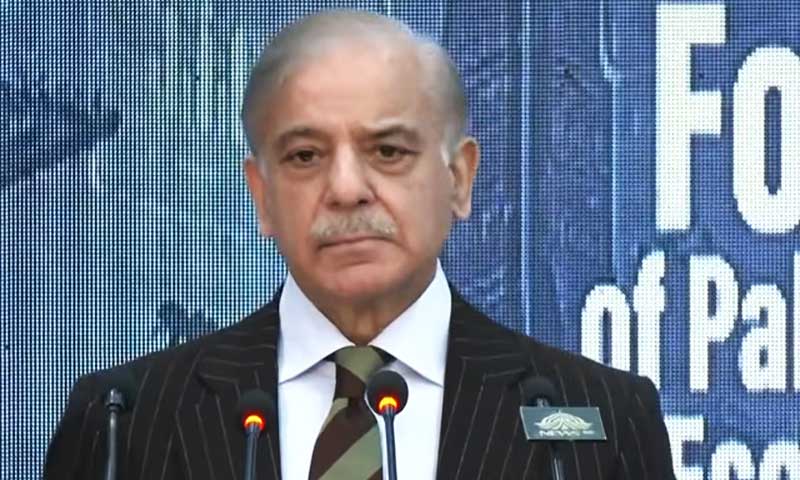
WEB DESK: Prime Minister Shehbaz Sharif has announced that funds recouped through the government’s rigorous austerity drive will be directly funnelled into public relief initiatives. Speaking after a high-level review meeting in Islamabad on Saturday, the Prime Minister emphasised that the belt-tightening measures are designed to shield citizens from the volatile global energy market and the recent domestic surge in living costs.
According to the Express Tribune, the decision comes in the wake of a significant Rs55 per litre hike in petroleum prices. To prevent further financial strain on the public, the government has committed to holding current price levels, using a combination of internal savings and a Rs390b contingency fund from the Finance Ministry to bridge the fiscal gap.
Salary cuts and institutional savings
A central pillar of the plan involves tiered salary reductions for employees within state-owned enterprises and autonomous bodies. These cuts, ranging from 5pc to 30pc, mirror the reductions already imposed on core government staff. Furthermore, the Prime Minister confirmed that cabinet members, ministers, and special advisers will see their entire salaries redirected toward public welfare for the next two months.
In a move to curb institutional excess, government representatives serving on corporate boards will no longer receive meeting fees. Instead, these payments will be diverted back into the national savings pool. To lead by example on the global stage, Pakistani embassies have been instructed to observe the upcoming March 23rd National Day celebrations with “simplicity,” eschewing the traditional lavish festivities in favour of fiscal prudence.
Strict curbing of official expenditure
The government is also implementing a drastic reduction in official logistics. Fuel allocations for government vehicles are to be slashed by 50pc over the next two months, while approximately 60pc of the official fleet will be grounded. To ensure these mandates are not ignored, a third-party audit will be conducted to verify compliance across all departments.
While the four-day work week has been introduced as an energy-saving measure, it was clarified that this will not apply to Law Enforcement Agencies or the Federal Board of Revenue (FBR), both of which will maintain standard schedules.
Additionally, a blanket ban on the purchase of new vehicles and non-essential foreign travel remains in place. Officials have been directed to prioritise teleconferencing for international business, with relevant secretaries ordered to submit daily progress reports to a dedicated monitoring committee.
You May Also Like