- Web Desk
- 16 Minutes ago
PM Shehbaz holds high-level review on fuel supplies and public relief amid Gulf crisis
-

- Web Desk
- 1 Minute ago
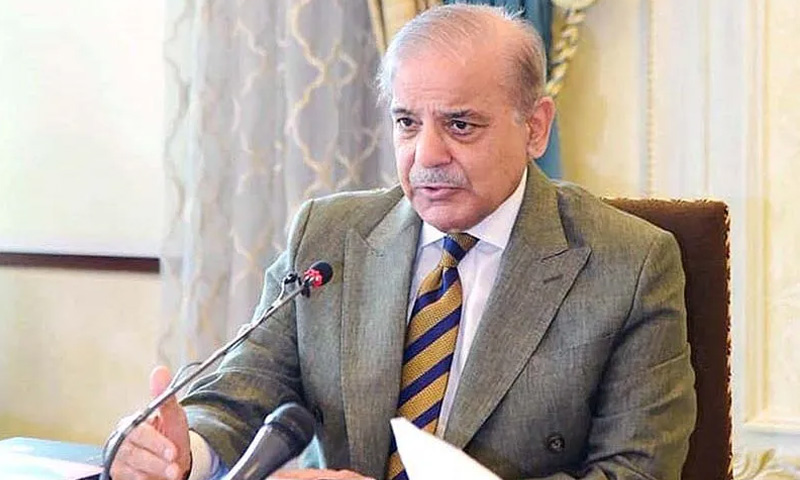
Prime Minister Shehbaz Sharif chaired a comprehensive meeting to review the impact of the Gulf crisis on petroleum products, current fuel reserves, and measures for public relief. Officials said the government is focusing on providing additional support to low- and middle-income citizens during these challenging times.
The meeting emphasised close coordination with provincial governments to expedite ownership registration for motorcyclists and rickshaw drivers, ensuring that potential relief reaches those eligible. The Prime Minister highlighted steps taken to reduce government expenditure, including cuts in the development budget, immediate suspension of 60% of official vehicles, and a broader austerity campaign aimed at maximizing funds for public assistance.
Officials noted that proposals to raise fuel prices were repeatedly rejected, and savings from reduced government spending have been redirected to provide relief to citizens. A digital system is being leveraged to ensure that relief measures reach the general public efficiently. Despite global disruptions, timely policy decisions have ensured uninterrupted fuel supply within the country.
The meeting also reviewed progress on the Prime Minister’s austerity campaign and an audit report from the Intelligence Bureau on its implementation. Adequate national reserves of petroleum and essential medicines were confirmed, with plans in place to maintain future supplies. Measures such as levies on high-octane fuel used in luxury vehicles have been implemented without affecting jet fuel prices.
The session was attended by Deputy Prime Minister and Foreign Minister Ishaq Dar, federal ministers including Mohammad Asif, Ahsan Iqbal, and senior officials from relevant departments. The meeting concluded with proposals for future strategies to ensure sustained public relief and national stability amid ongoing regional and global challenges.
You May Also Like