- Web Desk
- 26 Minutes ago
PM Shehbaz meets Iranian delegation as high-stakes US-Iran talks begin: Iranian media
-

- Web Desk
- 5 Minutes ago
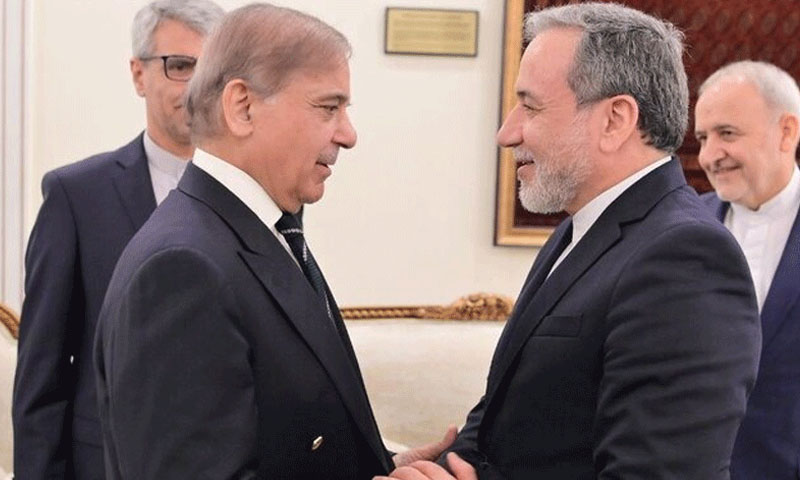
ISLAMABAD: Prime Minister Shehbaz Sharif met a high-level Iranian delegation on Saturday as Pakistan positioned itself at the centre of critical diplomacy ahead of landmark talks between the United States and Iran, Iranian media said.
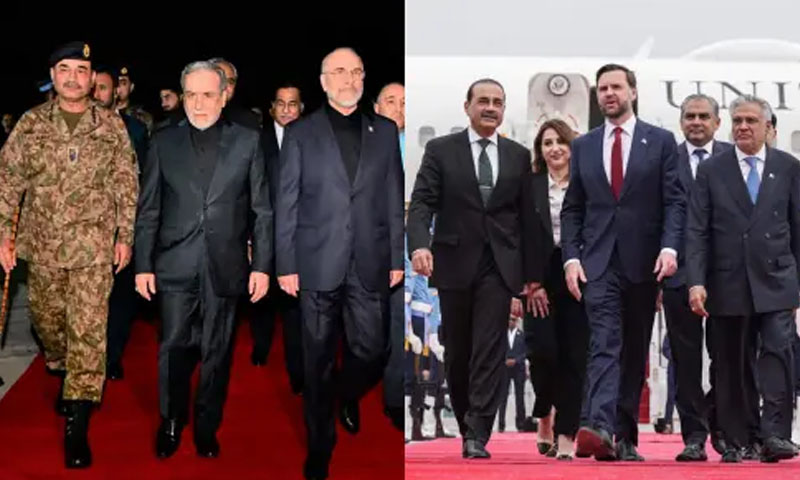
The Iranian delegation, led by Parliament Speaker Mohammad Bagher Ghalibaf and accompanied by Foreign Minister Abbas Araqchi, held detailed discussions with the prime minister on key bilateral, regional and international issues ahead of the meeting with the US team, the Iranian media said quoting officials.
Officials said the meeting focused on the evolving security situation in the region, ongoing tensions involving Iran, and prospects for dialogue aimed at de-escalation.
Earlier, the Iranian delegation arrived in Islamabad late Friday night, the Foreign Office confirmed. They were received by senior Pakistani leadership, including Deputy Prime Minister and Foreign Minister Ishaq Dar, Chief of Army Staff Field Marshal Asim Munir, National Assembly Speaker Sardar Ayaz Sadiq, and Interior Minister Mohsin Naqvi.
Meanwhile, a senior United States delegation led by Vice President JD Vance also arrived in the federal capital on Saturday to participate in what are being termed the “Islamabad Talks”. The US team includes Special Envoy Steve Witkoff and senior adviser Jared Kushner.
With both delegations now in Islamabad, the capital has effectively become the focal point of one of the most consequential diplomatic engagements in recent history, as efforts intensify to end a six-week-long conflict and stabilise the region.
Observers say the stakes are exceptionally high, with the negotiations expected to shape not only US-Iran relations but also the broader geopolitical landscape of the Middle East and global energy markets.
Analysts note that Iran enters the talks from a position of relative strategic strength. Despite weeks of conflict, Tehran has retained its nuclear infrastructure and stockpiles of enriched uranium. More significantly, it has demonstrated its ability to disrupt global energy flows, particularly through pressure on key maritime routes, giving it substantial leverage.
On the other hand, while the United States arrives without a clear military defeat, it faces a complex negotiating environment where Iran’s regional posture and economic leverage could influence the terms of any potential agreement.
Diplomatic sources suggest that even if a deal is reached, questions will remain over its durability, particularly regarding Israel’s position and whether any agreement can be effectively enforced.
As Islamabad hosts both sides, Pakistan is playing a pivotal mediating role, with authorities implementing extraordinary security measures across the capital to ensure the smooth conduct of the talks.
All eyes are now on the outcome of these negotiations, which could redefine regional alignments and determine the trajectory of peace or continued tensions in the weeks ahead.
You May Also Like