
- Web
- 46 Minutes ago
Population boom a “direct threat” to economy, warns FinMin Aurangzeb
-

- Web Desk
- Dec 01, 2025
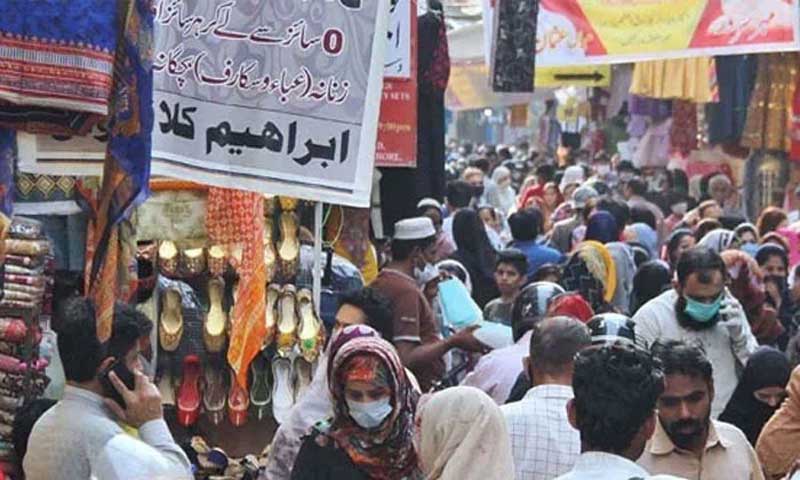
WEB DESK: In a stark warning, Pakistan’s Finance Minister, Muhammad Aurangzeb, declared the country’s rapidly growing population a direct challenge to its economic stability, demanding immediate and comprehensive policy action.
“The increasing population pressure has become a challenge to economic stability,” Aurangzeb stated, framing demographic growth not just as a social issue, but as a core macroeconomic threat. He emphasised that for sustainable economic progress, achieving a balance between population and national resources is non-negotiable.
To address this, the Minister outlined a multi-pronged strategy. He asserted the government’s commitment to critical reforms in human capital development and the social sector. “Population trends must be placed at the center of economic planning,” he said, highlighting the need for a comprehensive policy framework to transform the massive youth bulge into a productive economic force.
Broadening the scope of fiscal responsibility, Aurangzeb revealed he has been asked to speak on climate change at International Monetary Fund (IMF) and World Bank meetings. “I once wondered what the Finance Minister has to do with climate change,” he admitted, “but the reality is that climate change severely impacts the region.” He identified population and climate change as Pakistan’s two most critical, interlinked challenges.
Acknowledging external support, the Minister noted that the World Bank provides USD two billion annually for projects related to health, education, and population. However, he stressed that ultimate responsibility lies domestically: “We must utilise all our own resources. We need to work on solutions at both the government and private levels.”
The Minister’s statements signal a pivotal shift, positioning demographic management and climate resilience as urgent priorities on the nation’s economic agenda, essential for unlocking its growth potential.
You May Also Like