- M. Asim Naseer
- October 19, 2026
Power-sector circular debt hits Rs1.675 trillion
-

- Muhammad Faizan Khan
- October 19, 2026
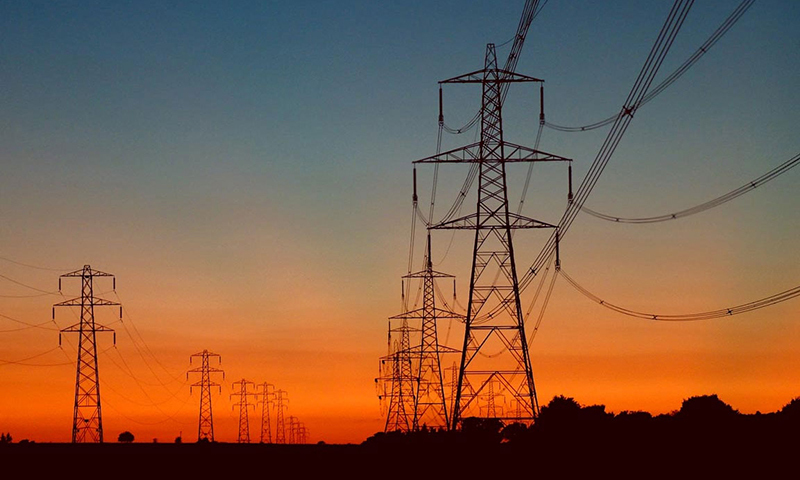
ISLAMABAD: Pakistan’s power-sector circular debt stood at Rs1.675 trillion on June 30, with Energy Minister Awais Leghari telling the National Assembly that outstanding payments involving K-Electric were a major reason for the increase, as the government also reported gas supply constraints, lower electricity tariffs and thousands of Pakistanis imprisoned abroad.
The National Assembly session resumed after Maghrib prayers, with Deputy Speaker Syed Ghulam Mustafa Shah ordering a headcount. The quorum was found complete, allowing the house to proceed with its agenda.
In a written reply submitted to the lower house, the government said that the circular debt had increased by Rs61 billion during the fiscal year ended June 30, 2026, from Rs1.614 trillion a year earlier.
The Power Division had previously attributed the annual increase to a reduction in budgetary payments, saying a Rs98 billion shortfall in budgeted funding had contributed to the rise.
The government identified distribution-company inefficiencies and Rs194 billion in non-payment by K-Electric among the factors contributing to the debt flow.
The government said it had terminated expensive independent power producer (IPP) agreements as part of efforts to reduce the circular debt.
The outstanding debt stock excludes K-Electric, according to the Power Division’s earlier statement.
The distinction is important because the amount of circular debt accumulated during a year differs from the total outstanding stock.
The government also told parliament that the national average electricity tariff had fallen to Rs45.02 per unit from Rs53.04, a reduction of about 15 per cent, and that further policy measures were being considered to lower rates.
However, the basis and reference period for the Rs45.02 figure were not immediately clear. The government had previously reported that the all-inclusive national average rate fell to Rs42.26 per unit by May 2026, from Rs53.04 two years earlier.
Gas shortages and LNG disruption
The government told the National Assembly that disruptions to liquefied natural gas (LNG) supplies amid the conflict in the Middle East had aggravated the gas shortage, forcing authorities to restrict domestic supplies largely to cooking hours.
New regasified LNG (RLNG) connections had also been temporarily suspended, including in Islamabad’s I-16 sector, according to the parliamentary reply.
Pakistan has faced uncertainty over LNG shipments amid disruptions to maritime traffic and supplies from Qatar. The country received an LNG cargo from Qatar in mid-October as authorities sought to arrange additional shipments ahead of higher winter demand.
The Petroleum Division has also sought approval for a winter gas management plan covering November 2026 to February 2027, under which domestic consumers would receive priority if supplies became insufficient.
The restrictions on new connections and limited household supply highlight the pressure on Pakistan’s gas system as the government attempts to balance domestic demand with constrained imported supplies.
More than 21,600 Pakistanis imprisoned abroad
In a separate written reply, the Ministry of Foreign Affairs told parliament that 21,647 Pakistani citizens were imprisoned in jails abroad.
Of these, 13,078 were convicted, while 8,569 were awaiting trial, according to the figures provided to the house.
Saudi Arabia accounted for the largest number of Pakistani prisoners, with more than 10,000 citizens reportedly held in its jails.
The figures are broadly consistent with information presented to a Senate committee in September 2025, when officials reported that 21,647 Pakistanis were imprisoned overseas, including more than 13,000 awaiting trial and over 8,000 convicted.
Iraq restricts solo travel by younger pilgrims
The Foreign Office also informed parliament that Iraq had imposed restrictions on pilgrims under the age of 50 travelling alone, citing misuse of pilgrimage visas and illegal stays.
The restrictions require younger male pilgrims travelling on pilgrimage visas to be accompanied by family members, according to guidance issued by Pakistan’s Ministry of Religious Affairs in June 2026.
The Iraqi measures were introduced amid concerns that some travellers had obtained pilgrimage visas but subsequently travelled separately from the relatives listed in their applications or remained in the country beyond the permitted period.
The ministry also told parliament that more than 10,700 Pakistanis had been deported from Iraq since July 2023.
The deportation figure and the latest visa restrictions were presented as part of the government’s account of measures taken by Iraqi authorities to curb visa violations. The total number of deportees was not independently verified.
Islamabad waste management under discussion
The National Assembly also discussed waste disposal between sectors I-10 and I-11 in Islamabad, where the accumulation of garbage has raised concerns about environmental pollution and public health.
Minister of State for Interior Talal Chaudhry told the house that around 700 tonnes of waste were being collected daily in the capital and that the government expected to clear the remaining solid waste soon.
He said a Turkish company was being engaged to manage the city’s solid waste and that the government was working to improve collection and disposal. He also said residents of expensive properties were failing to pay even a small share towards waste collection and water services.
The government was considering recovering part of the cost of solid-waste management from consumers, he added.
The Capital Development Authority (CDA) has already issued a letter of acceptance to a joint venture involving Atlas Pak Waste Management Company for a four-year waste collection contract worth around Rs18 billion, covering urban and rural areas. The first phase was planned for rural Islamabad.
Chaudhry also said the government was working on relocating two or three bus and transport terminals outside Lahore. That statement was made in the context of wider efforts to improve transport and municipal facilities, although the precise project timetable was not provided in the parliamentary reply.
CDA plots and housing issues
The house also discussed delays in the balloting of plots in Islamabad’s C-15 sector.
Chaudhry said that around 4,000 plots were being provided to applicants and that plots in I-11 and I-12, which had remained unavailable for an extended period, had now been allotted.
He also said the government had recovered plots worth around Rs200 billion from illegal occupants in one sector. The exact sector and valuation were not independently confirmed.
The CDA has separately issued public notices concerning plots in C-14, C-15 and other sectors of Islamabad, but the precise status of the balloting and allotments raised in parliament requires confirmation from the authority’s records.
The National Assembly on Monday passed the Preserved Documentary Material (Amendment) Bill 2026 and the Evacuee Property (Amendment) Bill 2026.
The House also took up three other pieces of legislation. Minister of State for Finance Bilal Azhar Kayani introduced the Companies (Amendment) Bill 2026, while Minister of State for Law and Justice Barrister Aqeel introduced the Industrial Relations (Amendment) Bill 2026 and the Immigration (Amendment) Bill 2026.
National Assembly session was adjourned until 11am on Tuesday.
You May Also Like

- AFP
- October 19, 2026
Microsoft exits data centre deal in blow to UK AI ambitions
- AFP
- October 19, 2026