- Web Desk
- 2 Hours ago
Private sector takes charge of export development fund board after legal overhaul
-

- Web Desk
- Feb 22, 2026
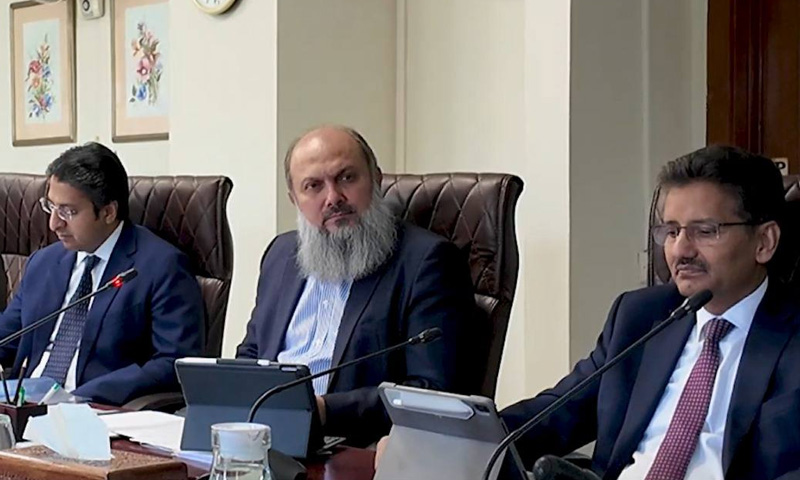
ISLAMABAD: The government has reconstituted the board overseeing the Export Development Fund (EDF), in a shift aimed at reducing bureaucratic control, placing private sector leaders at the helm and removing senior government officials from key positions.
Under a newly issued notification, the 22-member Board of Administrators will now be chaired by Omer Saeed, Chief Executive Officer of Service Long March Tyres Limited. The restructuring follows recent amendments to the EDF Act that were introduced on the advice of the prime minister’s review panel, a news article by the Express Tribune said.
As part of the changes, Commerce Minister Jam Kamal Khan and the commerce secretary have been dropped from their previous roles as chairman and vice chairman of the board. The post of vice chairman has been eliminated altogether, signaling a move to curtail the bureaucracy’s involvement in fund management.
The legal amendments were prompted by recommendations from nine private-sector advisory groups formed to propose measures for improving the economy, cutting red tape, and facilitating business growth. Although many of their proposals remain unimplemented, the government has already scrapped the 0.25 per cent export surcharge that had financed the EDF and ordered closer scrutiny of fund utilization.
Two months ago, the EDF held approximately Rs 52 billion accumulated through the surcharge. The prime minister also directed that a third-party audit be conducted in line with international standards to ensure transparency.
In a recent decision prior to the board’s reconstitution, the EDF approved Rs 15 billion in support for rice exporters struggling with falling global demand and intensifying competition. The package includes rebates ranging from 3 per cent to 9 per cent until June, though the allocation has faced some criticism.
The revamped board is now dominated by private-sector representatives. Of the 22 members, only six are government officials, including the secretaries of finance, commerce, national food security and industries, along with the heads of the Trade Development Authority of Pakistan and the EDF.
Private members represent major exporting firms and leading industry bodies, including top textile producers, rice and meat exporters, surgical and sports goods manufacturers, pharmaceutical representatives, and IT and agriculture stakeholders.
Parliament approved the amendments to the EDF law last month, mandating broader private-sector representation. The changes require the inclusion of the country’s top four exporters based on three-year performance data, a leading non-textile exporter, and representatives from agriculture, IT, and industrial sectors.
The restructured board has been tasked with reviewing the feasibility of ongoing projects, evaluating completed initiatives, strengthening capacity building, and overhauling governance mechanisms. The amendments also removed the commerce ministry’s role as the board’s secretariat and dissolved its executive committee.
Officials say the reforms are intended to enhance efficiency, improve corporate governance, and potentially transform the EDF into a non-profit entity better positioned to support export-led growth.
You May Also Like