- Reuters
- October 11, 2026
PTI calls Oct 11 ‘black day’, warns KP could face Balochistan-like situation
-

- WEB DESK
- October 11, 2026
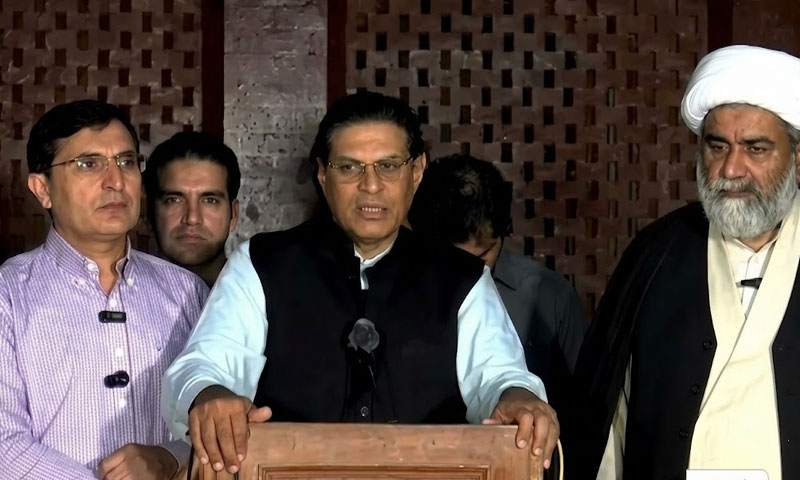
ISLAMABAD: Pakistan Tehreek-e-Insaf (PTI) on Sunday rejected the imposition of governor’s rule and emergency in Khyber Pakhtunkhwa, accusing the federal government of undermining the province’s democratic mandate and derailing negotiations that party leaders said had been making progress.
At a press conference in Islamabad following a meeting of the PTI and the joint opposition, party leaders said they had been willing to continue talks with the federal government but would not provide blanket approval for counterterrorism operations without consultation with political parties and local stakeholders.
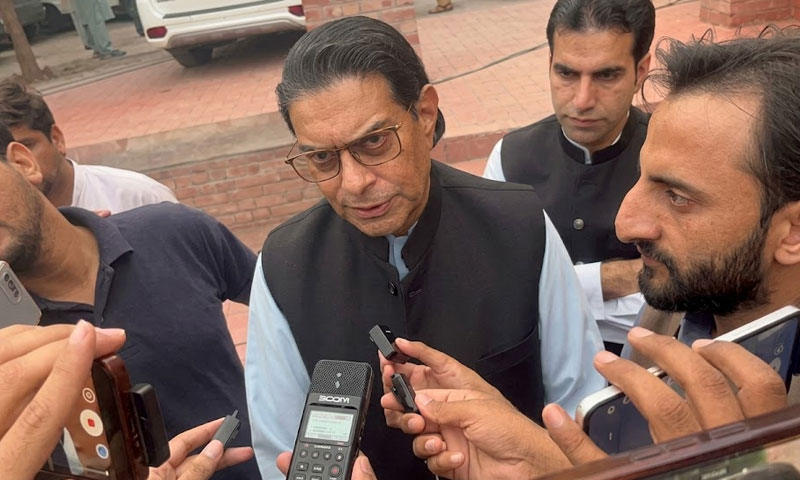
PTI Secretary General Salman Akram Raja described October 11 as a “black day” in Pakistan’s history, warning that the imposition of governor’s rule in Khyber Pakhtunkhwa could deepen political alienation and lead to consequences similar to those witnessed in Balochistan.
Speaking to the media in Islamabad, Salman Akram Raja vowed that the PTI would continue its resistance and urged people across the country to raise their voices against what he described as an attempt to subjugate the population.
Drawing a parallel with the dismissal of the provincial government led by Sardar Ataullah Mengal in Balochistan in 1973, Raja argued that political grievances and the use of coercive measures could have lasting consequences.
“October 11 is a black day in Pakistan’s history,” Raja said, warning that Khyber Pakhtunkhwa could face circumstances similar to those that developed in Balochistan.
“When you sow hatred, it does not end easily; it bears poisonous fruit,” he said, adding that his party feared the province could experience a similar trajectory.
Raja’s historical reference was to the dismissal of Mengal’s government by the federal government led by then prime minister Zulfikar Ali Bhutto. However, historical records show that the government was dismissed in February 1973, when governor’s rule was imposed in the province, rather than on October 11.
‘If four to five per cent come out, system will not hold’
Raja called on Pakistanis to demonstrate their opposition to the government’s measures, arguing that even a relatively small proportion of the country’s population taking to the streets could challenge the existing political order.
“You are 250 million people; that is not a small number. They have occupied you. If even four to five per cent of you come out of your homes, this system will not hold,” he said.
He maintained that the PTI stood with the people of Pakistan and would continue its political struggle, expressing confidence that the party would eventually achieve its objectives.
“We stand with the Pakistani nation. Insha’Allah, we will achieve victory soon,” he said.
He said that negotiations had been progressing towards a possible understanding, but the government’s decision to impose emergency measures had abruptly changed the situation. He said the party had sought implementation of previously agreed decisions on security rather than introducing new demands.
Raja said the future course of action against terrorism should be decided through consultations among all political parties, referring to the February 2026 Apex Committee meeting and a peace jirga resolution as the basis for moving forward.
“Our position on the Parachinar agreement was clear: a joint strategy for operations was necessary,” Raja said, adding that the government could not be given unrestricted authority to take whatever measures it considered appropriate and then expect the provincial government to endorse them.
He said that “Chief Minister” Sohail Afridi had maintained this position during the negotiations and that the PTI could not provide written authorisation for unilateral action.
The party maintained that it supported efforts to eliminate terrorism but opposed any operation in which innocent civilians could be killed. Raja said counterterrorism policy should be developed through political consensus and in consultation with affected communities.
PTI says negotiations were progressing
Raja said that the negotiations had involved consultations with Mahmood Khan Achakzai and Allama Raja Nasir Abbas, while Jamiat Ulema-i-Islam-Fazl chief Maulana Fazlur Rehman and other political leaders had also been trying to make the process successful.
He said Senator Kamran Murtaza had likewise indicated that the talks were moving in the right direction.
According to Raja, the discussions included the proposed amendment of the Parachinar agreement and the development of a mutually agreed framework for counterterrorism measures. He said the government had instead demanded unconditional support for its proposed operations, a position the PTI could not accept.
The PTI leader said that the government had not needed to take the extraordinary step of imposing emergency measures while negotiations were under way.
He also referred to the party’s demand for access to its incarcerated founder, Imran Khan, saying the long march could not be called off without a meeting with him. PTI leaders have repeatedly said that access to Khan and his input into political decisions are essential to any meaningful negotiations.
The party has kept the door open to dialogue but says it will not abandon its position on the long march or its opposition to the federal government’s security policy.
Raja says peaceful protest remains an option
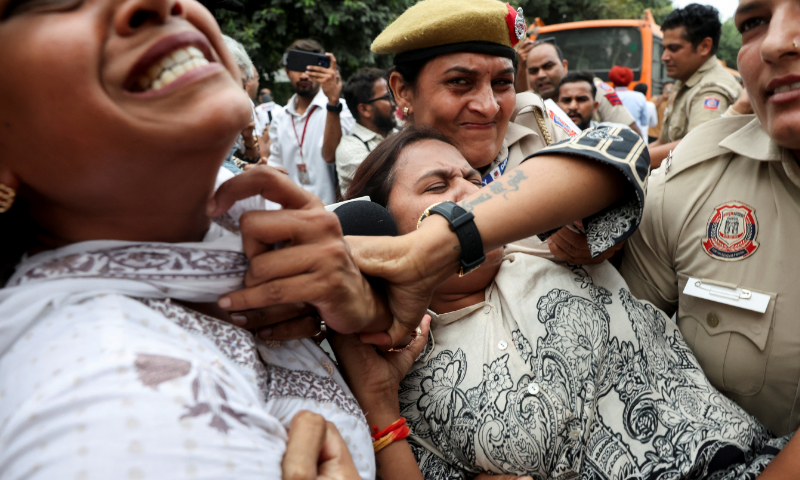
He said the PTI would continue to uphold its position despite what it described as a crackdown on its leaders and workers. He called on Pakistanis to express their opposition to the government’s actions through peaceful demonstrations.
“We will not throw stones. We will express our moral position through peaceful protest,” he said.
He argued that peaceful public mobilisation would send a message to the authorities, adding that people would decide how to express their opposition to what the party considers anti-democratic measures.
Raja said the PTI remained committed to protecting civilian lives and pursuing peace, while insisting that the government could not demand support for operations without securing broader political agreement.
He also said the announcement of the long march by Afridi remained unchanged, signalling that the party did not intend to abandon the protest following the imposition of governor’s rule.
The PTI leadership has described the march as a constitutional right, while the federal government has raised concerns about security and the potential consequences of continued political mobilisation.
Gohar rejects emergency, questions arrests
PTI Chairman Barrister Gohar Ali Khan also rejected the emergency and governor’s rule, saying the party considered the measures an attack on provincial autonomy and the electoral mandate of Khyber Pakhtunkhwa.
He questioned why the federal government had resorted to such measures in a province where the PTI held a two-thirds majority in the provincial assembly, arguing that the decision would deepen political divisions rather than resolve the security crisis.
Gohar also questioned the reported arrest of Afridi and the detention of the provincial assembly speaker, saying the party had exhausted other avenues before turning to a long march.
He said the PTI had raised its concerns in parliament and the courts but had failed to secure relief. According to him, the party had held around 15 meetings with the government, followed by two days of negotiations, during which counterterrorism issues were introduced into the discussions.
Gohar said the PTI had also raised concerns over the arrests of party workers and the detention of Imran Khan’s sisters. He claimed that around 1,500 PTI workers were being held in Punjab’s jails and alleged that three party ministers had been arrested after being fired upon. These claims were not independently verified at the press conference.
He thanked political parties that had opposed the imposition of governor’s rule and said the PTI would continue to challenge the decision.
Opposition alliance calls move unconstitutional
The Tehreek-i-Tahafuz-i-Ayeen Pakistan (TTAP), an opposition alliance, also rejected the imposition of governor’s rule and emergency in Khyber Pakhtunkhwa, describing the measures as unconstitutional, undemocratic and an infringement of the public’s right to elect its representatives.
In a statement, the alliance said the decision undermined the province’s electoral mandate and lacked moral, legal, constitutional and democratic justification.
It questioned why similar measures had not been taken in Balochistan despite security and administrative challenges there, arguing that the federal government had applied different standards to the two provinces.
The alliance also warned that the move could damage the federation’s unity and said it would convene a meeting to determine its response. It announced plans to develop a joint strategy, in consultation with its allies, to defend constitutional governance and provincial rights.
The statement further accused the government of resorting to authoritarian measures out of fear of the PTI’s long march and public mobilisation.
PTI warns of consequences for democracy
Other PTI leaders at the press conference accused the federal government of targeting the party and disregarding the mandate of Khyber Pakhtunkhwa’s voters. They said the province’s population, particularly its large youth demographic, should not be made to feel that their votes carried no weight.
They also criticised the federal leadership over the imposition of emergency and governor’s rule, arguing that the measures would not resolve the underlying security crisis.
The party said the country was facing simultaneous economic and security challenges and called for political reconciliation rather than measures that could further polarise the political environment.
PTI leaders stressed that their opposition to the proposed security strategy did not amount to opposition to the fight against terrorism. They said the party wanted the National Action Plan implemented through consultation and that counterterrorism measures should protect civilians and take account of the concerns of affected communities.
The federal government has maintained that its decision was necessary to address the security situation and improve the administration of the province. The two sides remain divided over the extent of federal authority in counterterrorism policy, the role of the provincial government and the conditions under which political negotiations can resume.
The PTI has vowed to continue its protest campaign while maintaining that peaceful mobilisation, constitutional rights and political consultation should guide the response to the crisis.
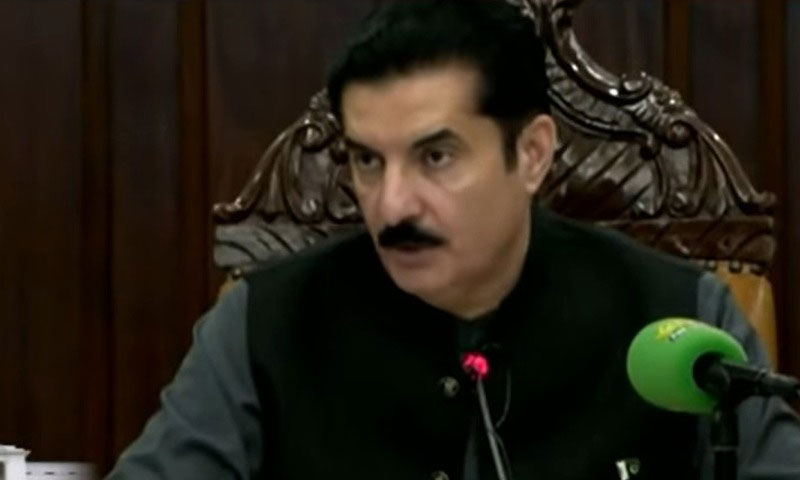
The federal government defended the imposition of emergency and governor’s rule by citing the deteriorating security situation and what it describes as the provincial government’s failure to effectively tackle militancy.
President Asif Ali Zardari approved the measures under Articles 232 and 234 of the Constitution on the advice of Prime Minister Shehbaz Sharif and the federal cabinet. The decision transfers provincial executive functions to the governor and places the province’s administration under an 11-member advisory council.