- Talha Saeed
- October 26, 2026
Punjab govt rolls out ‘liquid trees’ to combat air pollution in Lahore
-

- Zafar Ali
- June 14, 2026
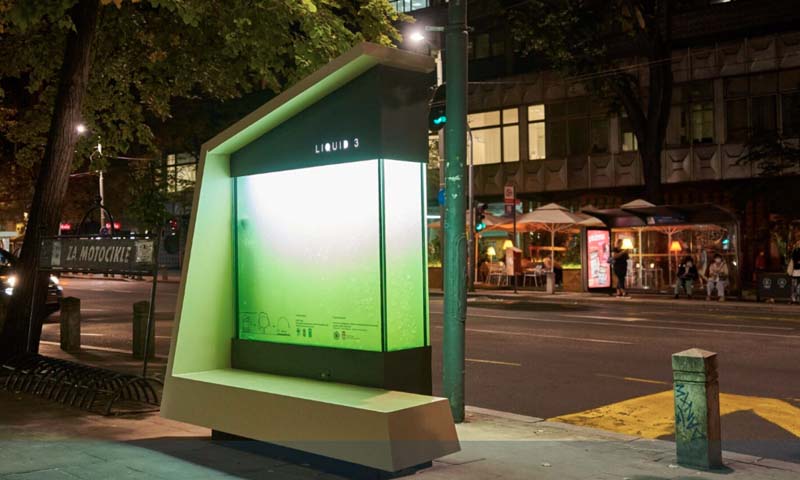
LAHORE: Punjab Chief Minister Maryam Nawaz Sharif announced on Sunday the deployment of Pakistan’s first certified “liquid tree” technology to combat hazardous urban air pollution and seasonal toxic smog in Lahore.
The biotechnology unit, which uses specialised microalgae to absorb carbon dioxide and release oxygen, is being transported from Faisalabad to Lahore following successful laboratory and structural trials, she said.
Officials described the artificial system as a critical intervention for dense commercial districts where geographic constraints limit traditional tree plantation.
Speaking on the initiative, Maryam Nawaz said that this is the first technology certified by the Punjab Environmental Protection Agency (EPA) since 1987. She said the artificial tree absorbs carbon dioxide from the atmosphere and is part of a broader effort to improve air quality in urban centres.
She said that more than 100 types of microalgae were collected from across the country, from Karachi to Khyber, and tested over a period of seven months.
The most effective strain was identified in Sukkur, which was then cultivated in collaboration with Government College University Faisalabad, she said.
The system is equipped with an AI-based calculator that monitors real-time data on carbon absorption and oxygen release.
In the first phase, the “liquid trees” will be installed in major shopping malls and both indoor and outdoor commercial areas, where they are expected to function as artificial environmental enhancers similar to natural trees.
According to provincial officials, the project is the result of a seven-month scientific vetting process during which bioscientists harvested and analyzed more than 100 strains of microalgae from ecological zones spanning from Karachi to Khyber.
The system continuously measures and logs real-time data on the volume of greenhouse gases trapped and the corresponding net output of oxygen discharged into the surrounding atmosphere.
The technology forms part of a broader, tech-driven environmental framework initiated by the provincial administration to establish early-warning air quality forecast systems and strictly monitor emissions from industrial zones and vehicular traffic across Punjab.
You May Also Like