- WEB DESK
- November 3, 2026
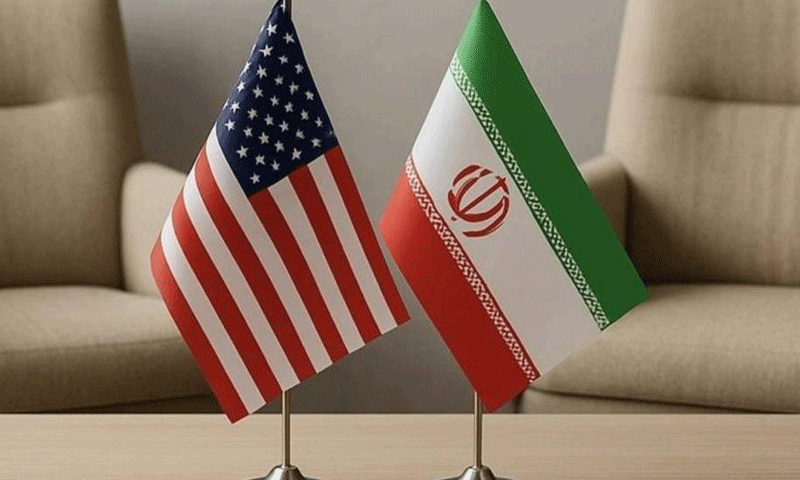
Qatar says US, Iran remain committed to mediation as talks continue
-

- Reuters
- November 3, 2026
Qatar remains hopeful that the United States and Iran can reach an agreement that would create conditions for further negotiations, its Foreign Ministry spokesperson said, adding that both sides remain committed to the mediation process.
Since February 28, the US and Israel have been at war with Iran and its regional allies, following months of tensions over Tehran’s nuclear programme. The conflict follows the 12-day war between Israel and Iran in June 2025 and earlier hostilities linked to the wider Middle East crisis that erupted after the Gaza war began in 2023.
The latest war began amid ongoing US-Iran negotiations over Iran’s nuclear programme, when American and Israeli forces launched hundreds of air strikes against targets across Iran. Iran’s Supreme Leader Ayatollah Ali Khamenei was assassinated after a strike along with several senior Iranian officials, marking a major escalation in the confrontation.
Meanwhile, the spokesperson said the two sides were studying proposals put forward by mediators, while efforts to bridge differences were continuing. Qatar’s mediation team, which travelled to Tehran on Monday night, had returned to Doha, but discussions with both parties remained ongoing.
“There are developments in talks with both parties,” the spokesperson said, adding that both Washington and Tehran were reviewing suggestions presented by mediators.
The spokesperson said there was a unified position among countries in the region and the Gulf to avoid further escalation, as diplomatic efforts continued to find common ground between the two sides.
“We remain hopeful that there is still chance for a deal to set environment for future negotiations,” the spokesperson said.
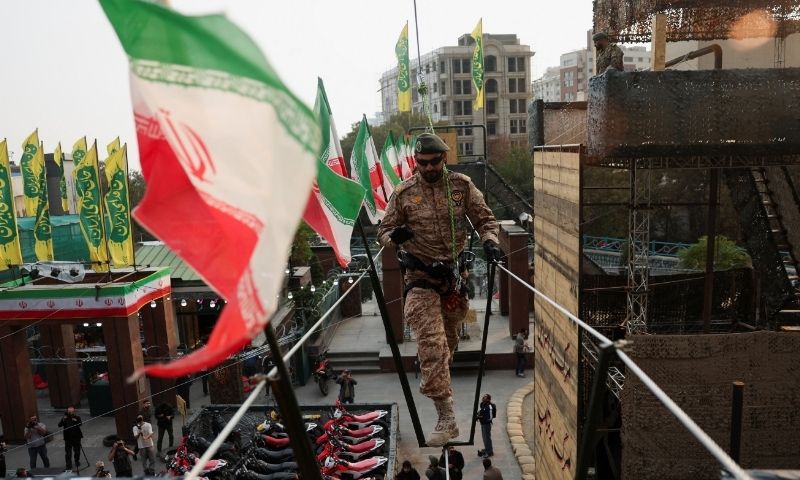
The comments came amid continued military and maritime developments involving Iran. Iran’s Islamic Revolutionary Guard Corps (IRGC) said it had shot down two Lucas drones over a coastal area of Bandar Khamir, according to the Tasnim news agency.
Separately, Iranian state media reported that three oil tankers had struck mines while travelling along what it described as an “unauthorised route” in the Strait of Hormuz. The reports did not provide further details about the vessels, the circumstances of the incidents or possible casualties.
The reported incidents add to concerns over maritime security in the strategic waterway, through which a significant share of the world’s oil and gas shipments passes.
Qatar’s latest statements suggest that diplomatic contacts are continuing despite the military and maritime developments. The spokesperson did not disclose details of the proposals under consideration or indicate whether the two sides had reached agreement on specific points.
The return of the Qatari mediation team from Tehran also did not signal an end to the diplomatic effort, with Doha saying that discussions were continuing and both parties remained engaged in the process.
Iran calls for regional security framework amid tensions with US
Iranian Foreign Minister Abbas Araghchi has called for a regional security arrangement led by countries in the Middle East, saying Tehran harbours no hostility towards Gulf Cooperation Council (GCC) states and remains engaged in dialogue with Saudi Arabia.
In a post on X following an interview with Al Jazeera, Araghchi said Iran appreciated the role played by Qatar and Oman in regional diplomacy and was continuing consultations with Riyadh. He said Tehran wanted regional countries to take responsibility for their own security, without the presence of foreign military forces.
The remarks came as tensions persisted following reported US strikes on Iran’s Qeshm Island, near the Strait of Hormuz. They also underscored Tehran’s efforts to engage Gulf states and regional mediators as diplomatic initiatives sought to prevent further escalation and restore normal shipping through the strategic waterway.
US strikes on Qeshm Island
US forces carried out limited strikes on Qeshm Island on Monday, with American officials describing the operation as defensive action against Iranian forces using surface-to-air missiles against US assets.
A US official told Reuters that the strikes did not mark a resumption of major combat operations. The Wall Street Journal also reported that Washington had conducted limited attacks against Iran in recent weeks, with an unnamed US official saying the campaign had been kept low-profile to avoid signalling an intention to escalate into a wider conflict.
Iranian state news agency IRNA reported explosions on the island, while Fox News, citing officials, said the strikes followed Iranian fire targeting an American aircraft. The Pentagon referred requests for comment to US Central Command, which did not respond to Reuters’ requests.
No details were provided in the reports about the extent of damage, specific targets hit or possible casualties.
Vance signals hope for negotiations
The military action came as US Vice President JD Vance expressed optimism about the possibility of reaching a negotiated settlement with Tehran.
Speaking to CNN, Vance said he and President Donald Trump felt positive about the prospects for an agreement, although he described Iran as unpredictable. He added that Trump retained both “kinetic and non-kinetic” options and that the administration had not set a deadline for reaching a deal.
His comments reflected the two parallel tracks in Washington’s approach: maintaining the option of military action while continuing to pursue a diplomatic resolution. Trump has repeatedly said Iran must never be allowed to acquire a nuclear weapon, while Secretary of State Marco Rubio said the president preferred a diplomatic outcome.
Qeshm and the Strait of Hormuz
Qeshm, the largest island in the Persian Gulf, lies off Iran’s southern coast near the Strait of Hormuz, a vital passage for global energy shipments. The island has drawn attention during the conflict because of reports that Iran maintains military infrastructure there, including anti-ship missiles, mines, drones and attack craft in underground facilities.
Araghchi’s comments also came amid diplomatic efforts involving Qatar and Pakistan to advance proposals aimed at restoring normal shipping through the strait and creating conditions for broader negotiations between Tehran and Washington. In his Al Jazeera interview, he said consultations with mediators had helped shorten the proposed implementation period for reopening the waterway.
The latest developments have therefore placed regional diplomacy, maritime security and the risk of further military confrontation at the centre of efforts to contain the conflict. Araghchi’s call for a security framework without foreign military presence adds a further dimension to those discussions, as Iran seeks greater regional involvement while Washington maintains that military options remain available.
You May Also Like

- WEB DESK
- November 3, 2026