- Web Desk
- 1 Hour ago
R/Admiral Faisal Ali Khan: Iran’s 10-point plan offers ‘pragmatic’ path to permanent Gulf peace as Pakistan reaps rewards
-

- sadia.basharat
- 5 Minutes ago
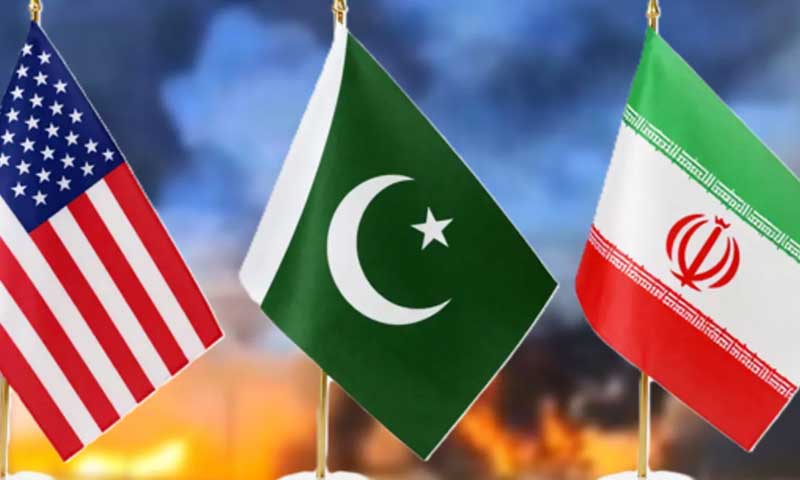
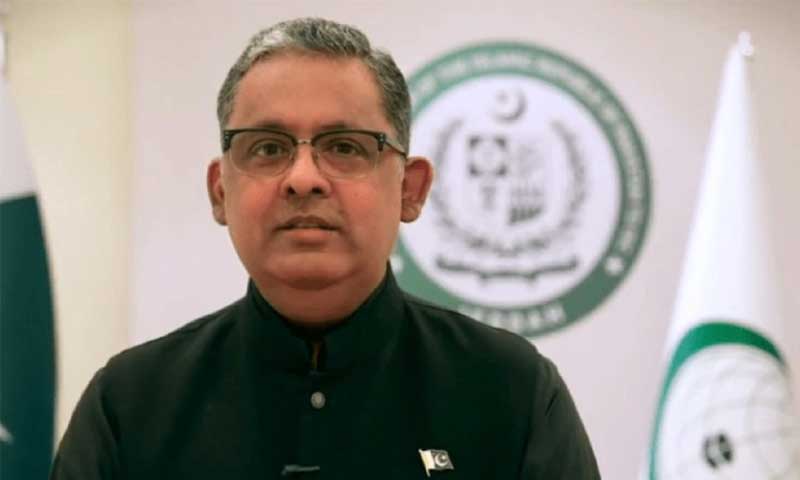
Iran’s 10-point proposal for a lasting settlement with the United States represents a pragmatic foundation for peaceful coexistence in the Gulf and removes the “sword hanging over its head”, according to Rear Admiral (Retd) Faisal Ali Khan HI(M), former Director General of Gwadar and a leading Pakistani maritime expert.
In a wide-ranging interview, the former senior naval officer, who has extensive experience of working with Iranian counterparts, described the two-week ceasefire secured in Islamabad as a genuine de-escalation rather than a mere tactical pause. He expressed confidence that a final agreement would be reached within the fortnight, building on the framework of the 2015 JCPOA that Iran had previously accepted.
Iran’s pragmatic roadmap for lasting Gulf peace
“Primarily, Iran wants peaceful coexistence in the region,” Rear Admiral Khan said. “The foremost point is that this war should be ended once and for all.” He noted that most of Tehran’s demands mirrored commitments it had already made under the Obama-era nuclear deal, which was abandoned by President Trump in 2018. The admiral argued that Iran’s call for reparations and the right to levy tolls on the Strait of Hormuz had been legitimised by recent events.
Turning to Pakistan’s role in hosting the US-Iran talks, Rear Admiral Khan rejected criticism from New Delhi. India’s External Affairs Ministry had voiced scepticism about outsourcing regional security to a single conduit. The admiral countered that Pakistan had acted not only in its own interest but for the entire region, including India.
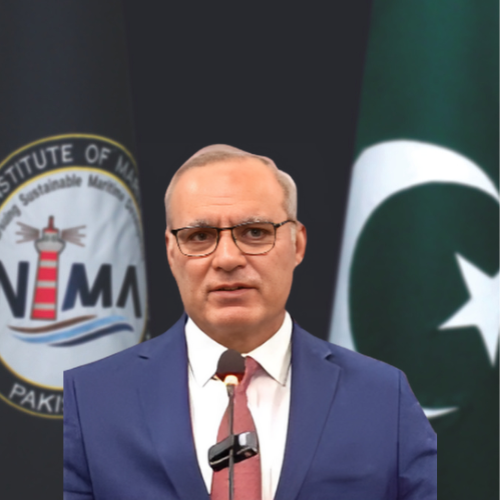
“India should be grateful to Pakistan,” he said. “If this conflict had continued, India would have been affected in ways it could not repair itself.” He added that the lifting of sanctions on Iran would open economic opportunities for all, including investment at Chabahar, where India has long maintained a presence despite American pressure.
Pakistan poised to reap major economic and strategic dividends
On Pakistan’s own prospects, Rear Admiral Khan was unequivocal: the truce presents “opportunities, opportunities, opportunities”. He highlighted a further rise in Pakistan’s political stature following its successful mediation, which he said would help Islamabad secure international support on issues ranging from its economy to cross-border terrorism.
With a shared border and deep historical ties, Pakistan stands to be the “first beneficiary” of a sanctions-free Iran, he argued, reviving dormant economic linkages. Saudi Arabia and other Gulf states would view Islamabad with renewed respect as a regional leader, particularly after its recent defence agreement with Riyadh.
Addressing concerns that a peaceful Gulf might diminish the importance of China-Pakistan Economic Corridor (CPEC) overland routes, the former DG Gwadar insisted the opposite was true. The recent conflict had shattered the “myth” that investment, tourism and transit were safest in the Gulf states, he said, bringing Pakistan’s unique geography into sharp focus.
“Despite having a very important geo-strategic location, Gwadar could not develop earlier because the entire flow of trade and economy was towards the Gulf,” Rear Admiral Khan explained. “That tilsam [illusion] has now been broken.”
He warned that even a permanent US-Iran agreement would not restore full confidence in the Gulf because of Israel’s status as an “irrational actor” and the unpredictability surrounding the current US administration. “In this backdrop, Gwadar is bound to take off,” he said. “The only thing is that we must fix our internal problems and develop Gwadar at full throttle so that this opportunity created by the war is not missed.”
Rear Admiral Khan, who has researched the Blue Economy extensively, urged Pakistan to seize the moment. “If we put our house in order,” he concluded, “all the benefits the world has to offer will be open to us.”
You May Also Like