- Web Desk
- 34 Minutes ago
Reputation vs results: Pakistan cricket’s uncomfortable truth
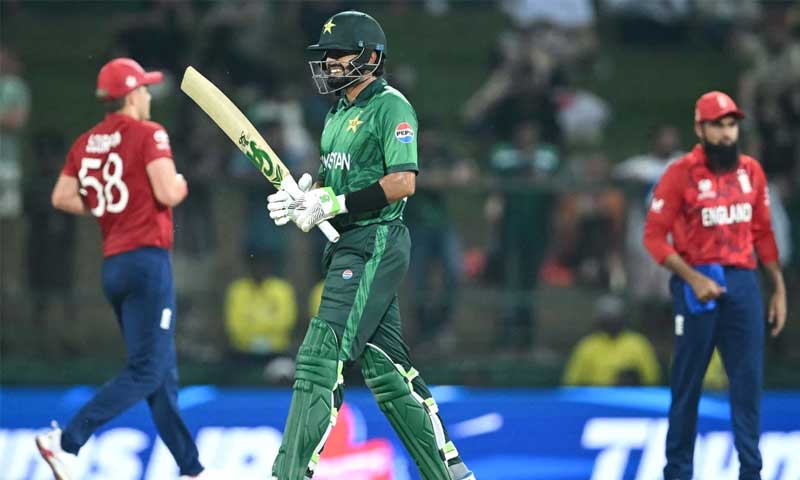
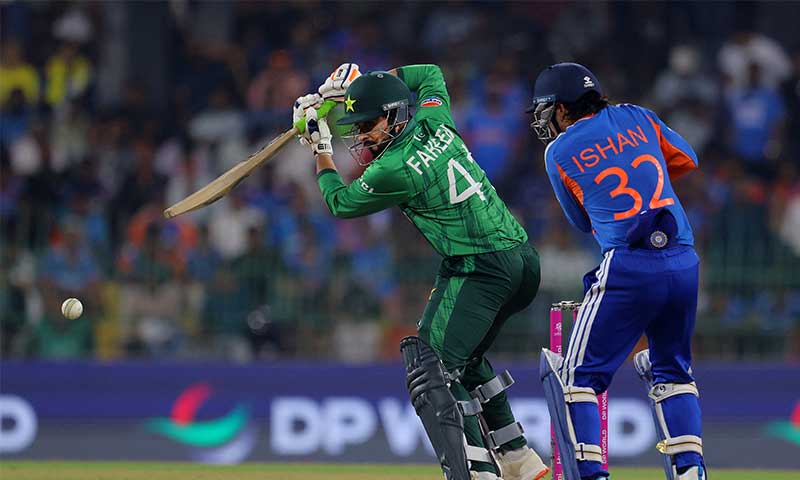
I’m not writing this out of emotion after one defeat. Pakistan losing to India hurts, but losses alone are not the problem. The real issue is how familiar this script has become tactical confusion, predictable selections and a team that looks unsure of itself when pressure rises.
Let’s be honest: this wasn’t just about skill gaps. It was about clarity.
From the outside, Pakistan looked reactive rather than assertive. India came out aggressively, scoring heavily in the early phase, and instead of countering with a decisive plan, Pakistan drifted. Bowling changes felt delayed, match-ups were questionable and, most importantly, valuable overs were left unused. In modern cricket, where margins are razor-thin, that isn’t a minor oversight it’s a strategic failure.
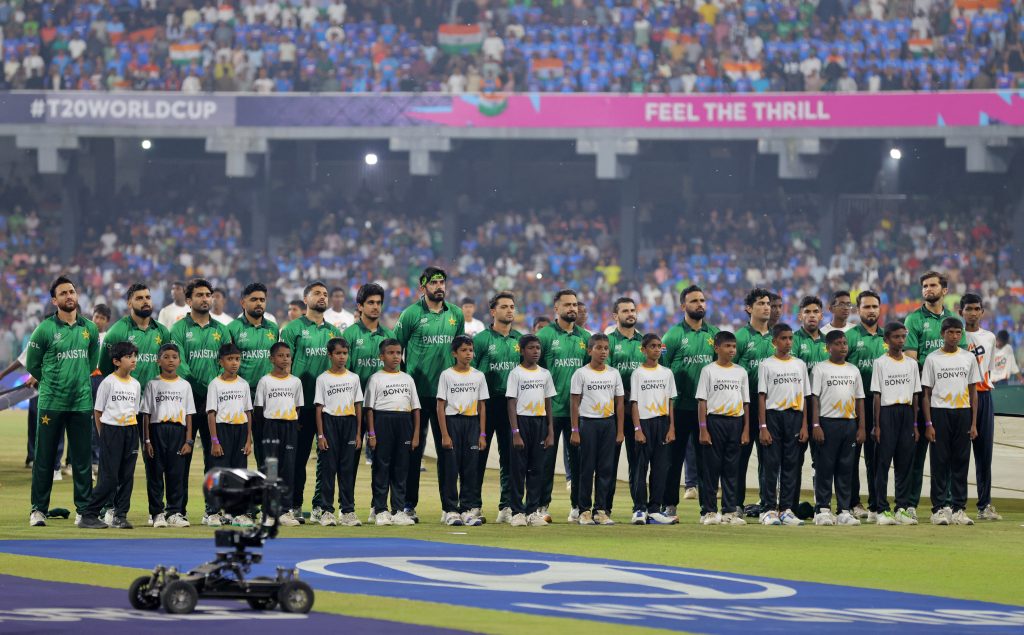
The introduction and usage of certain bowlers raised more questions than answers. If a team carries multiple bowling options but doesn’t trust them enough to complete their quotas, then the selection itself becomes questionable. Why overload the XI with all-rounders if, under pressure, you revert to only a few primary options? It creates a lineup that looks flexible on paper but indecisive in reality.
This brings me to the bigger concern: team balance. Pakistan’s obsession with “multi-dimensional players” has blurred roles within the side. Against weaker teams, this approach might survive. Against top-tier opposition like India, it gets exposed. When bowlers aren’t trusted to bowl and batters aren’t anchoring or accelerating with intent, the structure collapses. At that point, the opposition doesn’t even need extraordinary cricket they just need consistency.
Some argue that India’s superiority makes outcomes inevitable. There’s no denying their dominance in ICC events. Their systems are stronger, their players are conditioned for pressure and their tactical discipline is miles ahead. But accepting that Pakistan can’t compete is a dangerous mindset. Cricket history is full of underdogs winning through bold thinking and fearless execution. What we are seeing instead is hesitation a team unsure whether to rebuild or to hold onto the past.

And that hesitation is rooted in selection stagnation. For years, Pakistan have relied on the same core names in every major event, hoping that familiarity will eventually translate into results. It hasn’t. Dropping one or two individuals won’t magically transform the side, but refusing to introduce genuine competition sends the wrong message. When places in the XI feel guaranteed, urgency disappears.
Pakistan has one of the largest cricketing talent pools in the world. With over 250 million people and an unmatched street-level passion for the sport, there is no shortage of potential replacements. Yet tournament after tournament, we return to the same combination and expect a different outcome. That’s not loyalty that’s stagnation.
Another worrying trend is the mental approach in high-pressure games.
Against India, the body language often tells the story before the scoreboard does. When a team looks uncertain, the opposition senses it immediately. India’s batters played with freedom because Pakistan’s bowling lacked sustained pressure. Loose deliveries arrived regularly, allowing momentum to shift early. Once that happens, even average totals become match-winning because the chasing side carries the psychological burden.
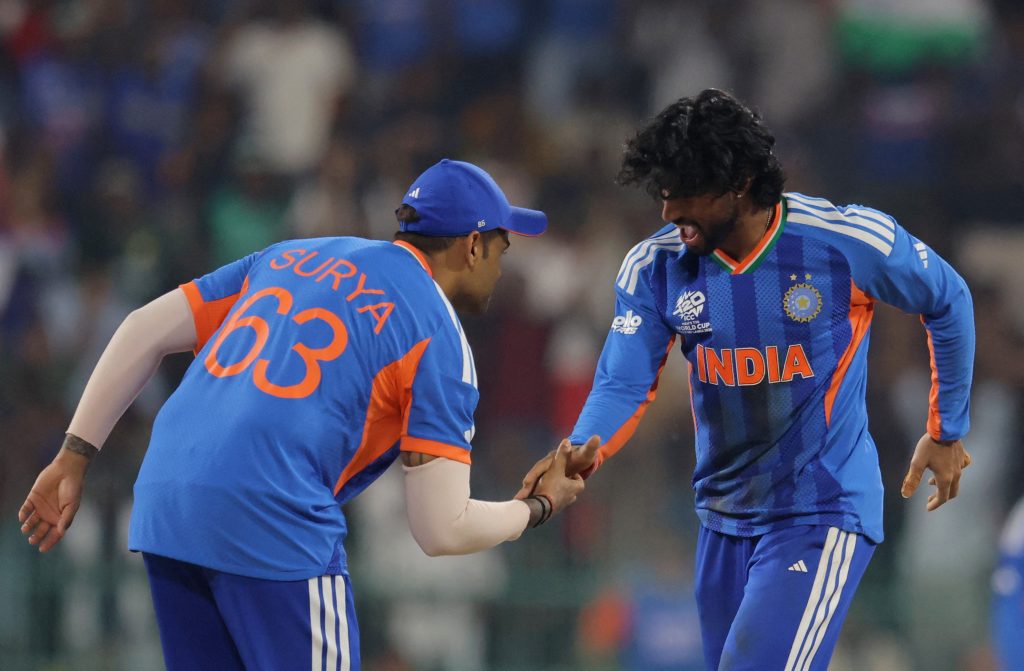
The spin factor also exposed a planning gap. Conditions demanded smarter match-ups and a clearer understanding of when to attack and when to contain. India’s spinners looked like they had a defined blueprint, while Pakistan seemed to experiment on the go. That difference in preparation shows up not only in wickets but in how confidently each side controls the tempo of the game.
Fans, of course, react emotionally. Harsh criticism of individual players floods social media after every loss, and while some of it crosses the line, it reflects a deeper frustration the feeling that Pakistan cricket has stopped evolving. The golden period between 2007 and 2017 showed what was possible when bold decisions were made. Since then, the narrative has shifted toward safe choices and cautious management.
I’m not calling for a reckless purge or overnight miracles. Change in cricket is gradual, and no team becomes great simply by swapping a few names. But Pakistan must start somewhere. Even if the team struggles initially, introducing fresh faces and redefining roles sends a message that performance matters more than reputation.
Right now, Pakistan cricket feels caught between two eras unwilling to fully rebuild yet unable to replicate past success. That middle ground is dangerous because it creates the illusion of stability without real progress.
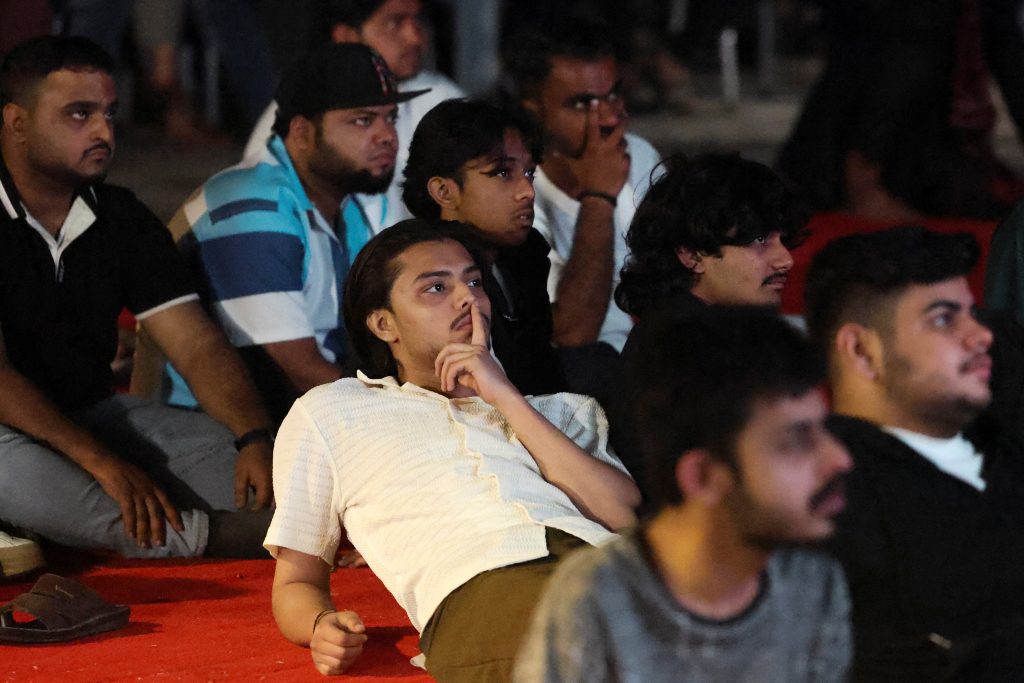
What this defeat should trigger is not another round of emotional blame, but a serious conversation about identity. Are we building a modern, tactically sharp side that can challenge the best, or are we clinging to nostalgia while hoping individual brilliance saves us?
So what’s the path forward?
Pakistan needs to stop tinkering and start rebuilding with clarity.
First, define what each position in the XI actually requires genuine specialists, not all-rounders masking selection confusion. Introduce performance-based windows where new players get five or six matches to prove themselves, creating real competition instead of guaranteed spots. Separate leadership across formats to bring fresh tactical thinking. Most importantly, mandate that domestic performance actually matters no more selections based on reputation or potential alone.
This requires institutional patience, which Pakistan cricket historically lacks. There will be difficult phases during transition, but the alternative is worse: continuing this cycle of predictable selections and predictable outcomes. The board must commit to a two or three-year vision and resist the urge to panic after every loss.
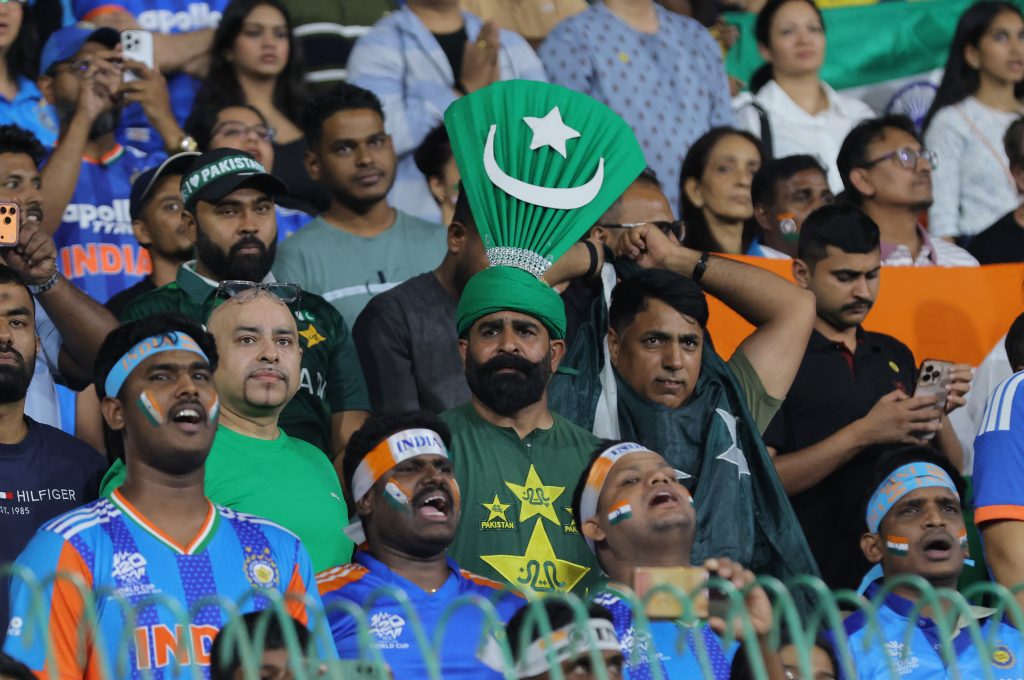
Success won’t mean immediate trophies, but it will mean a team that enters tournaments with a clear identity, defined roles, and genuine belief rather than hope. Pakistan has the talent pool and the passion. What’s missing is the courage to actually change course not superficially, but structurally. Until that happens, we’ll keep writing the same analysis after every major defeat, wondering why nothing ever improves.
Because if nothing changes if the same tactical mistakes repeat and the same core continues without accountability then the results will remain the same. And Pakistan cricket, a team once known for fearless unpredictability, will continue to look predictable when it matters most.
You May Also Like