
- Web Desk
- 44 Minutes ago
Rising fuel prices drive demand for plug-in hybrid, range-extended vehicles in Pakistan
-

- Web Desk
- 1 Minute ago
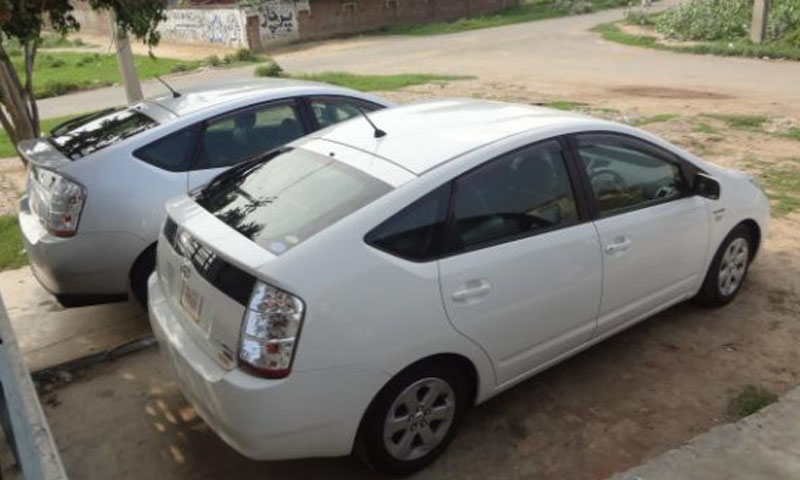
KARACHI: Soaring petroleum prices in Pakistan are driving a surge in demand for plug-in hybrid and range-extended electric vehicles, industry experts said on Monday, as traditional SUVs become increasingly expensive to operate.
With petrol surpassing 320 Pakistani rupees per litre, the cost of running conventional sports utility vehicles (SUVs) has risen sharply, prompting consumers to explore more economical alternatives. Analysts and industry insiders said plug-in hybrid electric vehicles (PHEVs) and range-extended electric vehicles (REEVs) are becoming financially and environmentally attractive options for Pakistani drivers.
Syed Asif Ahmed, Director of Sales and Marketing at Chery Master Pakistan, said the spike in petrol prices has severely impacted the economics of conventional vehicles. “This is no longer just an environmental issue; it directly affects monthly household expenses,” he said.
According to industry data, a typical petrol-fuelled C-segment SUV that averages 10 km per litre now costs roughly 32 rupees per kilometre to operate. In contrast, traditional hybrid vehicles, averaging 18 km per litre, cost around 18 rupees per kilometre, though they remain affected by rising fuel costs.
Experts said the real shift is occurring with plug-in hybrid and range-extended vehicles, which allow most urban trips to be completed entirely on electricity. A fully charged modern plug-in SUV can travel approximately 170 km. At an average electricity cost of 50 rupees per unit, a full charge costs roughly 1,700 rupees, equivalent to about 10 rupees per kilometre—potentially saving 22 rupees per kilometre compared with conventional petrol SUVs.
The trend is further supported by the growing adoption of solar energy in Pakistan. Net metering and household solar installations are enabling consumers to lower electricity bills while powering electric vehicles at reduced cost.
Ahmed noted that PHEVs and REEVs are well-suited to the Pakistani market because they do not rely entirely on charging infrastructure and offer petrol backup for longer trips, unlike fully electric vehicles.
Economists also highlighted the broader economic benefits. Pakistan relies heavily on imported oil, and fluctuations in global fuel prices directly affect the national fiscal balance. Official estimates suggest a 20 per cent rise in global oil prices could add hundreds of billions of rupees to the trade deficit.
Experts said that a mass shift to fuel-efficient or electric vehicles would not only reduce individual transportation costs but could also ease pressure on the country’s import bill.
With fuel costs at record highs, plug-in hybrid and range-extended vehicles are emerging as a practical and economical solution for Pakistan’s SUV drivers.
You May Also Like