- Web Desk
- 4 Hours ago
Russell & Bromley sale highlights pressure on UK heritage footwear brands
-

- Web Desk
- Feb 04, 2026
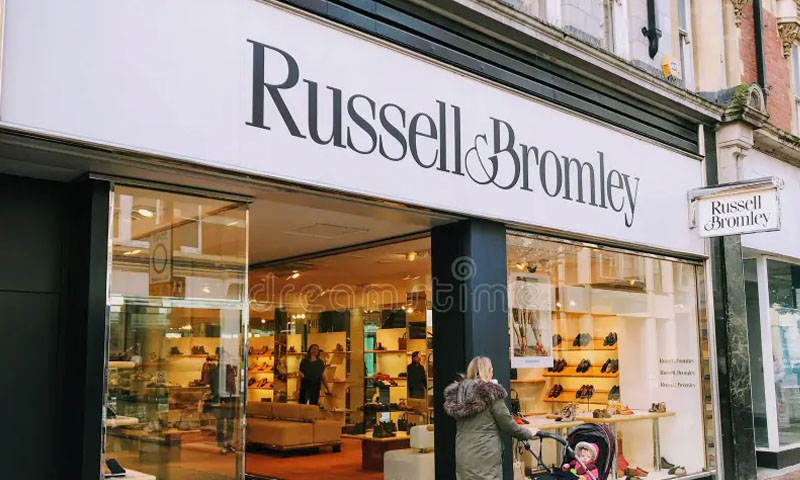
LONDON: The takeover of British heritage shoemaker Russell & Bromley by high-street retailer Next has underlined the growing challenges facing independent legacy brands in the UK fashion industry.
Although the deal has rescued Russell & Bromley from administration, it is expected to result in job losses and possible store closures, with reports suggesting more than 30 outlets could shut.
Founded in 1880 in Sussex, Russell & Bromley was one of the few remaining independently owned footwear brands in Britain, known for its craftsmanship and understated luxury. The company remained under the control of the same family for five generations and was also favoured by the Princess of Wales, boosting its profile.
The sale comes amid a wider decline of fashion retail on the British high street. Research has shown that fashion has been one of the fastest-shrinking sectors, as consumers increasingly shift to online shopping and cheaper fast-fashion alternatives. Independent mid- to high-end brands have faced intense competition, including from supermarkets and clothing chains expanding into footwear.
Russell & Bromley’s takeover follows other recent ownership changes in the sector. Heritage sports shoe brand Gola, founded in Leicester in 1905, was acquired by Japanese conglomerate Marubeni as demand for retro trainers surged. Despite celebrity endorsements over the decades, Gola struggled to compete with global giants such as Nike and Adidas.
Experts say these cases reflect how difficult it has become for independent British footwear brands to survive in a global industry increasingly dominated by large conglomerates.
The UK footwear sector has also been affected by the long-term decline of domestic manufacturing. While Northampton remains known for men’s shoemaking, factories in Leicester and other cities began closing from the 1980s as production shifted to countries such as Brazil, India and China, which could offer lower costs and higher volumes.
Next’s expansion into footwear also reflects broader changes in retail. Since launching its first store in 1982 and later introducing home delivery through the Next Directory, the company has helped shape a market where shoppers can buy clothing and matching shoes from the same retailer.
Despite pressures, Russell & Bromley continued to perform strongly into the 21st century, supported by its high-end positioning and “Made in Italy” products. However, rising costs and a difficult retail environment may have contributed to its collapse.
Analysts warn that the mid- to high-price footwear segment, where Russell & Bromley sits, is increasingly being squeezed between budget retailers and luxury designer brands.
While the ownership of Russell & Bromley and Gola has changed, both brands are expected to continue under their new owners, preserving a legacy of British footwear heritage built on craftsmanship and tradition.