- Web
- 13 Minutes ago
Salaried class to receive relief in upcoming budget, Finance Adviser signals tax cuts
-

- Web Desk
- Jan 16, 2026
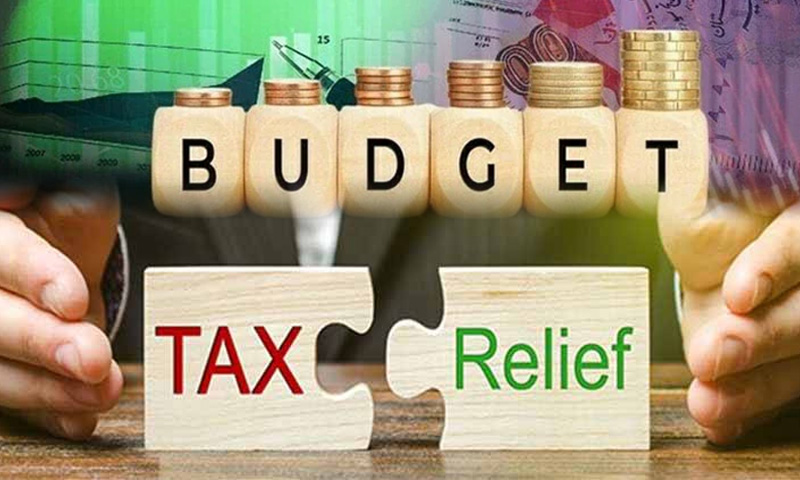
ISLAMABAD: Pakistan’s salaried and registered business classes are poised to benefit from targeted relief in the forthcoming federal budget, as confirmed by Khurram Schehzad, Adviser to the Federal Finance Minister.
According to an article published by Samaa News, Schehzad spoke on the government’s intent to provide fiscal alleviation through tax reductions and lower energy tariffs, signaling a shift toward supporting compliant taxpayers.
The government, Schehzad explained, is keen to address the economic pressures faced by these segments of society. Work is underway to implement measures that will not only ease tax burdens but also bring down energy costs, which have been a significant concern for both individuals and businesses in recent years.
The strategic focus, he added, is to provide tangible benefits to those who have consistently met their obligations, rather than focusing on blanket measures that might overlook the most compliant taxpayers.
Schehzad’s outlook for Pakistan’s economic performance is notably optimistic. Despite global projections, he is confident that Pakistan’s economic growth this fiscal year will surpass the estimates of international financial institutions, including the International Monetary Fund (IMF). With a GDP growth forecast of up to 4 per cent for the current year and a projected 5 per cent for the next fiscal cycle, Pakistan’s economy appears to be on a more robust trajectory. Additionally, the flow of remittances is expected to exceed $41 billion, further reinforcing the country’s external financial standing.
As Pakistan gears up for the next round of economic reviews with the IMF, Schehzad noted that the government is pursuing a cautious economic policy aimed at long-term sustainability. “We are undertaking reforms with a view to avoiding the kind of structural crises that have plagued Pakistan’s economy in the past,” he said, referencing the recurring need to seek IMF assistance every few years due to underlying economic weaknesses.
Among the key reforms, Schehzad pointed out that 24 state-owned enterprises (SOEs), which have long been a financial drain on the national budget, will be privatised. This move is in line with the IMF’s structural benchmarks, aimed at reducing fiscal deficits and enhancing the efficiency of public-sector enterprises. Further, the government is undertaking comprehensive reforms across several critical sectors, including energy, with a focus on right-sizing institutions and implementing deep restructuring.
On the inflation front, Schehzad noted significant improvements, with inflation having dropped from a high of 25-30 per cent to approximately 5 per cent. The government’s long-term objective, he said, is to enhance the earning capacity of ordinary Pakistanis, thereby improving their standard of living. A stable economic environment, he added, would facilitate export growth, which is crucial for Pakistan’s continued economic development.
However, Schehzad also raised concerns over tax collection at the provincial level, stressing that this remains a key challenge. The federal government collected Rs 13 trillion in taxes last fiscal year, increasing the federal tax-to-GDP ratio to 11.3 per cent. Yet, this still falls short of international standards, with Pakistan’s target being a 15 per cent federal tax-to-GDP ratio by 2028, up from the current level. To achieve this, Schehzad spoke on the need for provinces to significantly increase their contribution, as their tax collections amounted to only Rs979 billion last year, or just 0.85 per cent of GDP. “Provinces must aim for at least 3 per cent of GDP in tax collections to meet national targets,” he asserted.
In light of these challenges, Schehzad said that there is a critical need for structural reforms in provincial tax systems. “The real issue isn’t the tax base, but the revenue we generate from it,” he added.
You May Also Like