- WEB DESK
- November 2, 2026
SBCA seeks bids for Gul Plaza demolition, three-month deadline for work
-

- Monis Siraj
- November 2, 2026

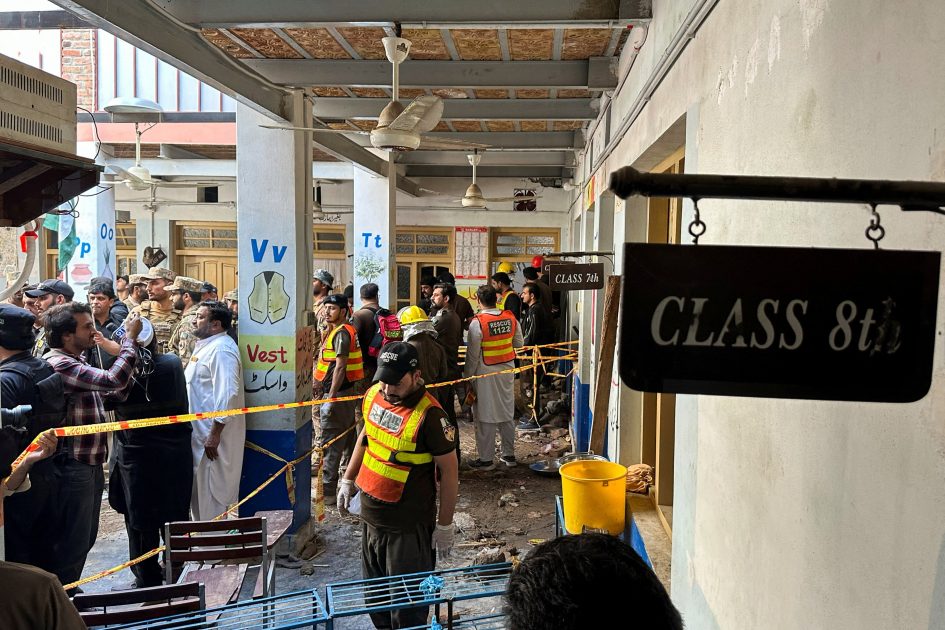
KARACHI: The Sindh Building Control Authority (SBCA) has invited bids from companies to demolish Gul Plaza, the Karachi shopping centre gutted by a fire that killed at least 72 people in January this year, according to an advertisement issued by the authority.
Bids can be submitted until November 20, with a base price of Rs40 million. Technical and financial proposals have been sought separately, and the SBCA will supervise the work.

The SBCA’s director of demolition said the contract would not be awarded solely to the highest bidder. Preference would be given to companies with a proven record of demolishing at least 20 buildings, he said.
The selected company will be required to finish the demolition within three months. It will be entitled to keep the debris and scrap, while the Karachi South deputy commissioner will decide how any shopkeepers’ belongings recovered from the rubble are distributed.

The fire broke out on the night of January 17, 2026, at the 8,128-square-yard building on MA Jinnah Road, which had been a major commercial centre for decades. It destroyed more than 1,153 shops and took several days to extinguish.
A technical committee recommended demolishing the building in January while the Sindh government has also announced plans to build a new structure on the site.
The fire
A fire broke out at Gul Plaza, a multi-storey shopping complex on Karachi’s MA Jinnah Road. The older commercial centre spread over about 1.75 acres and housed nearly 1,200 shops. The Sindh government’s investigation report said it began at an artificial flower and gift shop on the ground floor near gate no six, and that the cause was a lit matchstick.

The blaze had spread quickly through shops storing cosmetics, garments and plastic goods, and the fire brigade, Rescue 1122, the Karachi Metropolitan Corporation, the Pakistan Navy, police and Rangers took part in the response. Firefighters needed more than a day to bring the fire under control.
Why it turned deadly
The Sindh government’s report said electricity was switched off at around 10:20pm as a precaution, plunging the building into darkness. An estimated 2,000 to 2,500 people were inside, and the report described panic as many fire exits were locked, blocked or encroached upon, and narrow staircases slowed escape. Thirteen of the building’s 16 exits were reportedly locked. The inquiry concluded that gross negligence was central to the tragedy.
The death toll rose steadily over several days as rescuers recovered remains from the rubble, from six in the first reports to 71 by January 23 and 73 by January 25. Later reports put it at 78 to 80 and DNA testing was needed to identify many of the victims.
The Sindh government announced Rs10 million in compensation for victims’ families.
Inquiries and action
Sindh Chief Minister Murad Ali Shah ordered an immediate inquiry on the first day, and a committee headed by the Karachi commissioner was formed. The chief minister also wrote to the Supreme Court seeking a transparent judicial inquiry. A single-member commission of inquiry headed by Justice Agha Faisal was then constituted. It completed its work within the eight-week timeframe and submitted a sealed report to the Sindh government in April. The commission did not blame any single entity or person directly.
Police registered an FIR describing the fire as the outcome of negligence and carelessness. After the fire, the KMC began fire safety audits of commercial buildings across the city, and the SBCA started taking action against owners and builders found to have failed safety requirements.
Karachi has a history of deadly fires, often blamed on poor safety standards and illegal construction. A 2012 fire at a garment factory killed 260 people.
You May Also Like