
- Web Desk
- 8 Minutes ago
SC denies request for immediate meeting with PTI’s Imran Khan
-

- Web Desk
- Feb 09, 2026
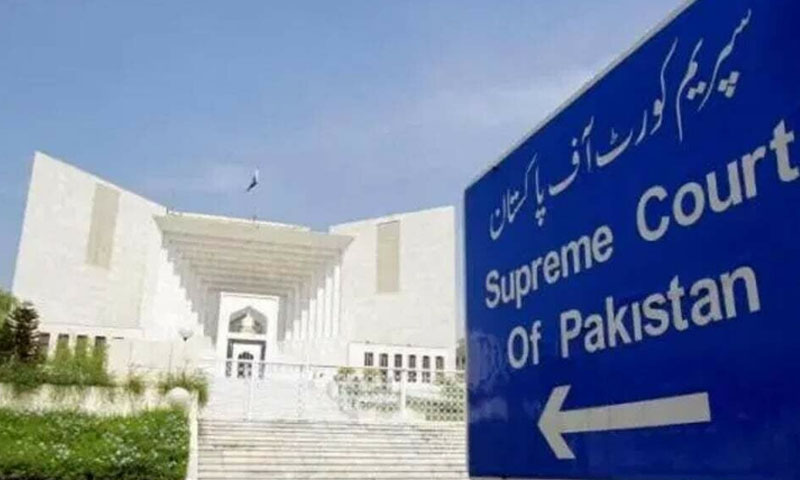
WEB DESK: The Supreme Court of Pakistan on Monday rejected a request seeking an immediate meeting with incarcerated PTI founder and former Prime Minister Imran Khan, observing that no such directive could be issued without first notifying the government.
A two-member bench, headed by Chief Justice Yahya Afridi and comprising Justice Shahid Bilal Hassan, turned down the plea submitted by senior PTI leader Latif Khosa during proceedings related to multiple petitions concerning Khan and his wife, Bushra Bibi.
Court highlights need to notify government before directives
The court noted that an order for a meeting could not be passed ex parte and required issuing notice to the relevant authorities. It has issued a notice to the government for Tuesday, with the matter to be taken up further. The request comes amid ongoing concerns raised by PTI over restricted access to Khan in Adiala Jail, with the party repeatedly seeking visitation rights for his family, lawyers, personal doctors, and associates, citing repeated denials despite prior court directives. Earlier, on Saturday, the Supreme Court stated that a PTI memorandum demanding immediate jail visitation rights for Khan had been forwarded to the “relevant executive authorities” for consideration in accordance with the law.
The apex court also fixed a hearing for 13 petitions linked to Imran Khan and Bushra Bibi. PTI has highlighted issues including denied access on designated days, such as Tuesdays and Thursdays for family and legal meetings, and concerns over Khan’s health, with demands for medical reports and examinations by private physicians.
The latest rejection follows a pattern of legal back-and-forth, including recent dismissals by an Anti-Terrorism Court of Khan’s plea for check-ups by personal doctors, where the court held that treatment was being provided per jail rules. Khan remains in custody facing multiple cases, with PTI alleging violations of fundamental rights and non-compliance with judicial orders on access and medical care. The Supreme Court’s decision underscores procedural requirements in such matters, while PTI continues to press for resolution through both judicial and executive channels.
You May Also Like